
Road vehicles
Cars & motorcycles
Compare protection, pickup access and whether a company is acting as a broker or a carrier.
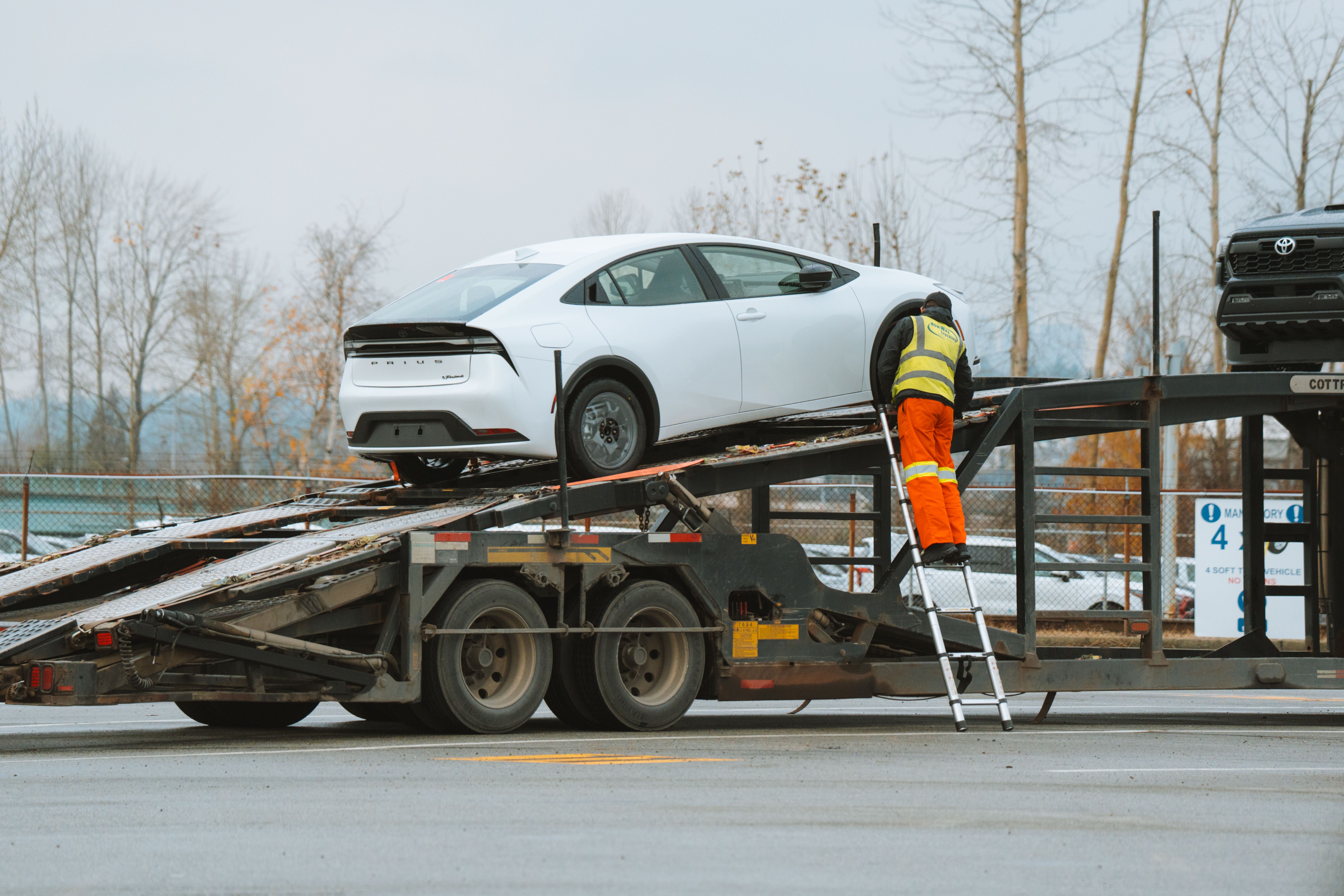
Independent guidance for comparing vehicle transport methods, routes, costs and provider-selection questions across cars, boats, RVs, trucks and equipment.
Vehicle Transport Help is an independent planning resource for understanding transport methods, route and location constraints, cost drivers and provider-selection questions across cars, motorcycles, boats, RVs, trucks, heavy equipment and specialty vehicles.
A car, a trailered boat and tracked machinery should not be forced into the same checklist.
Compare protection, pickup access and whether a company is acting as a broker or a carrier.
Dimensions, trailer configuration and legal route limits can become part of the planning task.
Operating weight, attachments, loading and securement can materially change the equipment required.
| Decision | What to compare | Why it matters |
|---|---|---|
| Method | Open, enclosed or specialized handling | Changes protection, availability and equipment fit |
| Route | Origin, destination, access and direction | Determines pickup feasibility and route-specific constraints |
| Provider | Role, registration, quote terms and communication | Separates operational fit from marketing language |
Start with vehicle type, route, cost, method or provider-selection guidance instead of forcing every shipment into one generic quote flow.
FMCSA advises consumers to understand whether a company is acting as a broker or transporter and to verify registration for interstate auto transport. That does not replace shipment-specific due diligence, but it is a useful baseline check.