
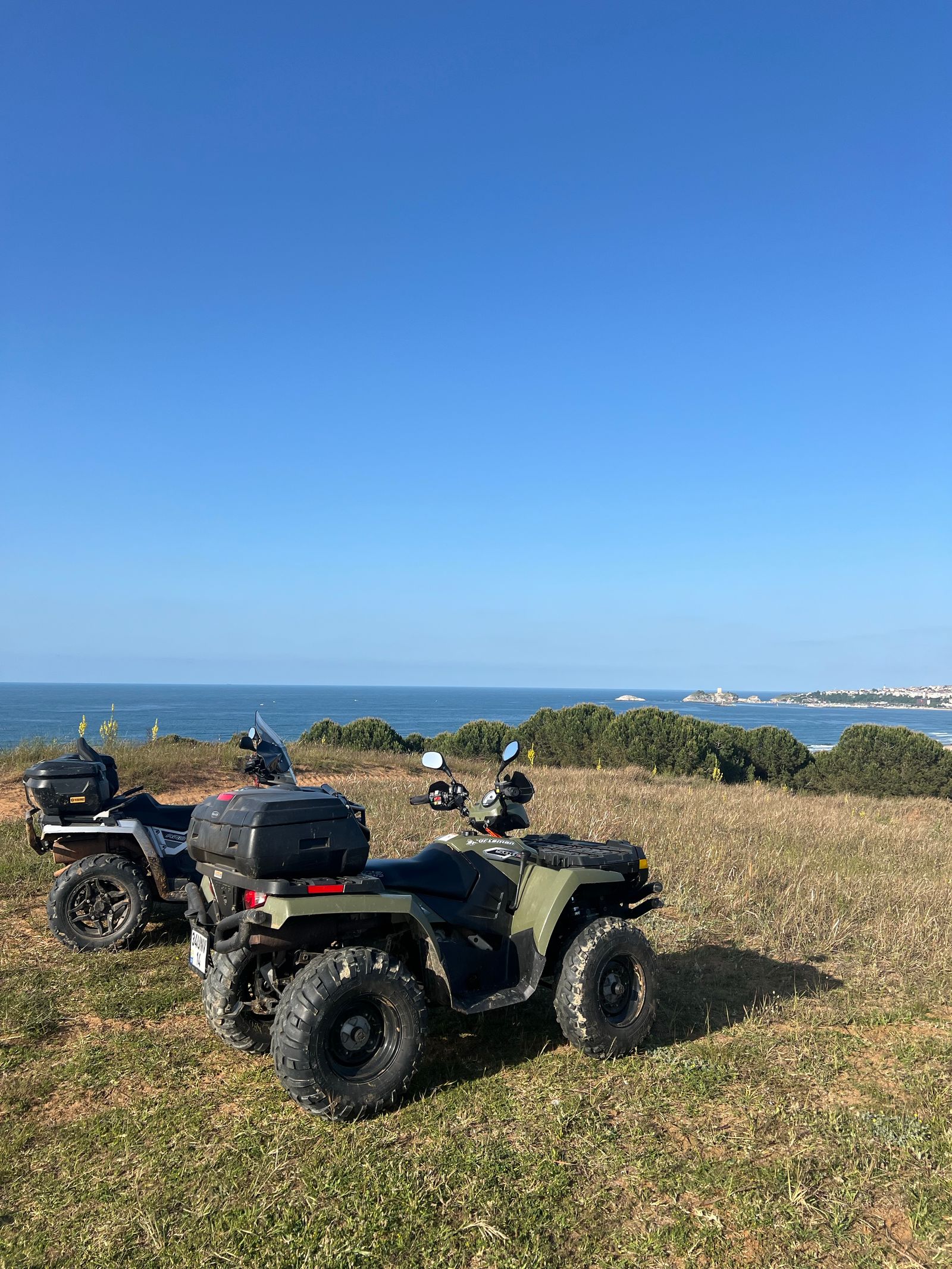
ATV transport services should be selected around the machine’s full dimensions, mobility and loading access. Get explicit acceptance of the ATV or side-by-side, including fitted accessories, before comparing terminal, crated or collected service. A motorcycle quote is not confirmation that a four-wheel machine fits the equipment.
Describe the machine as loaded
Supply make, model, dimensions and weight information, including racks, cages, plows or other additions. Clarify whether the vehicle is an ATV or a side-by-side and identify accessories that will be removed and carried separately.
Tell the provider whether it runs and can roll, steer and brake. A disabled machine may require additional loading work that is not part of a standard quote.
Resolve the loading boundary before the price
A seller may describe an ATV as ready to collect because it starts, while a transporter still needs to know whether it fits its ramps and restraint arrangement. Send a front, side and rear photograph, the widest point and the overall height with accessories in transport position. Identify any parts that will be detached. This gives the operator a defined machine to accept instead of a model name that may hide modifications.
If you are considering freight-style service, ask who builds or supplies the crate or pallet and who can load it at each end. A residential address with no handling equipment is a different job from a staffed terminal. Resolve that difference before arranging a sale collection. For a mixed powersport shipment, discuss the motorcycle handling choices separately; a method suitable for a two-wheel bike is not automatically suitable for your ATV.
Configuration
Width, height, accessories
Operator accepts the complete machineMobility
Starts, rolls, steers, brakes
Loading and unloading capability namedHandoff
Home, seller or terminal
Equipment and responsible person confirmedTurn this plan into comparable transport options
Use the actual vehicle, pickup and delivery details, timing and handling needs so every quote starts from the same scope.
Get preparation instructions from the operator
Explain the powertrain and disclose a leak, damaged battery or crash damage before booking. Ask about fuel, battery, keys and loose equipment for the selected carriage method. Do not hide a condition issue because an online form has no relevant option.
Check the loading and restraint plan
NHTSA emphasizes that cargo must be properly secured. Have the responsible operator identify suitable loading equipment and follow manufacturer guidance for the ATV’s transport points. This is not a reason to improvise restraints around a rack or body panel.
- Who supplies ramps, lift or other loading equipment?
- Is a crate or pallet required and who prepares it?
- Is there suitable loading space at both properties?
- Who records the machine and separate accessories?
NHTSA reference
Compare services at equal boundaries
Ask whether the quote is terminal-to-terminal or includes the actual addresses. Establish packaging, handling, payment and cancellation terms and the applicable coverage for the accepted machine. A lower price with owner-supplied loading should not be compared directly with a fully handled collection.
Plan custody after arrival
Name the receiver and ensure unloading is possible before dispatch. Retain photographs from pickup and compare condition when the machine is received. Delivery does not determine where the ATV may be ridden; check the rules for its intended use separately.