
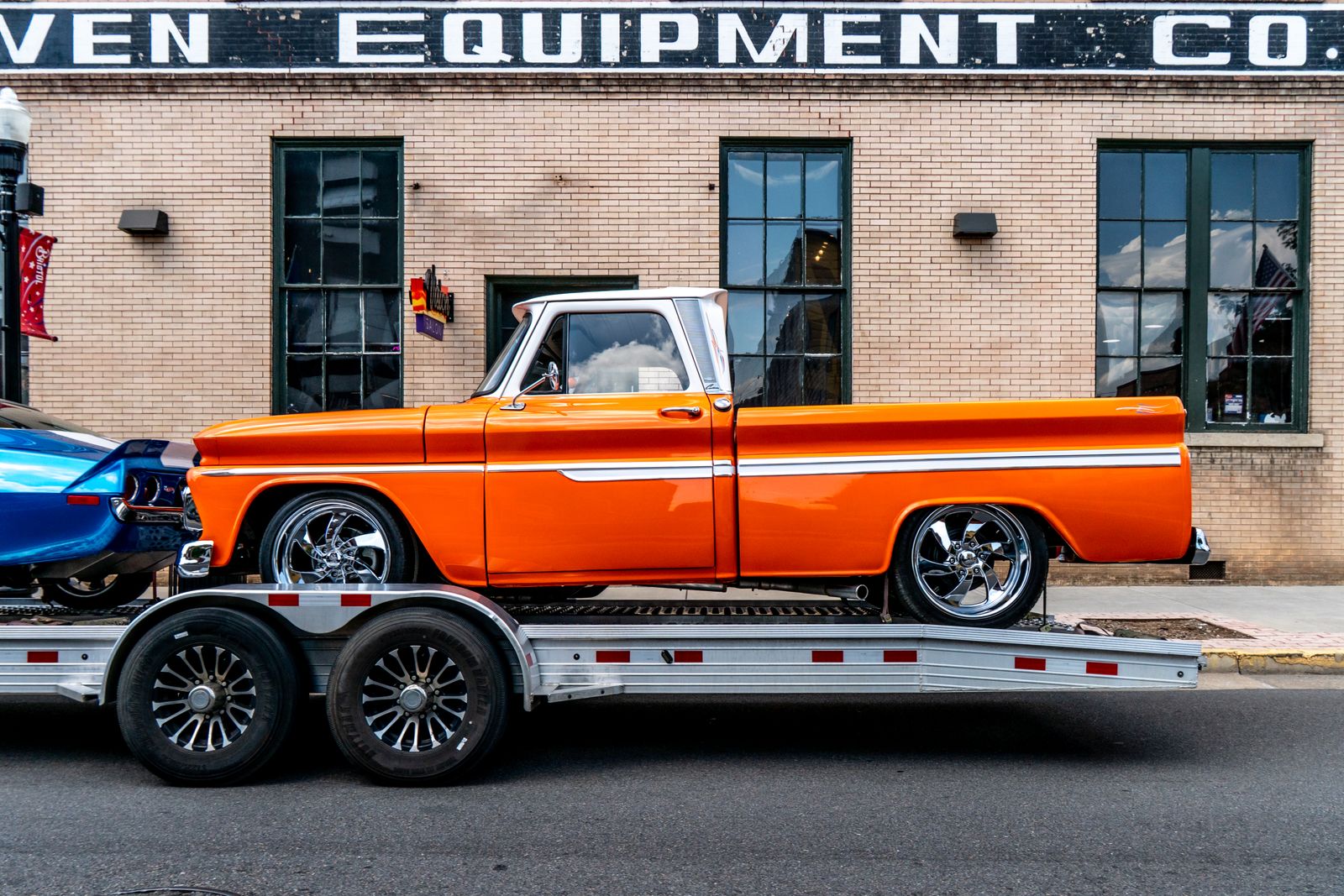
Choose a classic car shipping company by the handling plan for your car: clearance, starting condition, vulnerable parts, restraint points and documented custody. Enclosure alone does not establish safe loading, and a review score does not show whether the assigned equipment fits your restoration.
Start with the car, not a popularity list
Write down ground clearance, wheelbase, tire condition and whether the car starts, rolls, steers and brakes. Explain unusual starting procedures or controls. If the car cannot move under its own power, ask how it will be positioned at both ends without damaging bodywork or fragile fittings.
For a restoration, tell the hauler about fresh paint, detachable trim and parts traveling separately. Ask whether the planned restraints contact wheels or other points and whether those points suit the vehicle. You do not need to design the loading system yourself; you do need the operator to answer for this car.
Make workshop delivery part of the booking
A restoration shop may have the skills to receive the car but no space to hold a loaded transporter while staff finish another job. Agree the receiving window, the person who can sign and whether the shop can handle a car that will not start. Send that information to dispatch before collection, especially if the vehicle is moving between two workshops.
For a newly purchased classic, ask the seller to photograph the underside edges, loose trim and any parts packed with the car. Keep that inventory distinct from the transport condition report. Compare enclosed transport arrangements by loading method and transfers as well as exposure. If the carrier proposes another truck, have it confirm the same acceptance conditions rather than treating the original equipment promise as automatically transferable.
Low bodywork
Ramp compatibility
Operator confirms approachRestoration parts
Inventory and acceptance
No unlisted loose cargoWorkshop arrival
Hours and non-running handling
Authorized receiver availableTurn this plan into comparable transport options
Use the actual vehicle, pickup and delivery details, timing and handling needs so every quote starts from the same scope.
Compare the service you would actually receive
| Choice | Decision to make |
|---|---|
| Open or enclosed | Which exposure and handling arrangement is acceptable for the car’s condition and value? |
| Direct or transferred | Are intermediate unloading and storage acceptable, and who records condition there? |
| Flexible or date-sensitive | Can the car wait, or is a show, sale or workshop appointment controlling the move? |
| Ordinary or specialized loading | What equipment is confirmed for its clearance and mobility? |
Enclosure does not answer whether a ramp suits the car. A promised collection day does not answer who pays if the receiving workshop is closed when delivery occurs. Compare the whole proposal.
Check the business behind the promise
FMCSA provides a consumer advisory and registration-search route for interstate automobile transporters and brokers. Use the legal business name and identifiers supplied with the offer. Treat that check as identity and regulatory due diligence, not proof of restoration expertise or a recommendation from the government. FMCSA
Request cargo-coverage information that addresses your declared value, deductible and exclusions. Ask how a claim would be submitted and whether loading, unloading or temporary storage changes the responsible party. An insurance certificate alone does not explain every term that applies to a particular loss.
Make the condition record usable
- Take clear images before loading, including known chips and low body panels.
- List keys, removable parts and agreed accessories handed over.
- Name the person permitted to accept delivery.
- Arrange enough light and time for that person to inspect the car.
- Keep any discrepancy on the delivery record and follow the written claims instructions.
Reject an incomplete answer rather than relying on an unverified “specialist” label. A company willing to specify its handling and custody arrangements gives you something concrete to evaluate.