
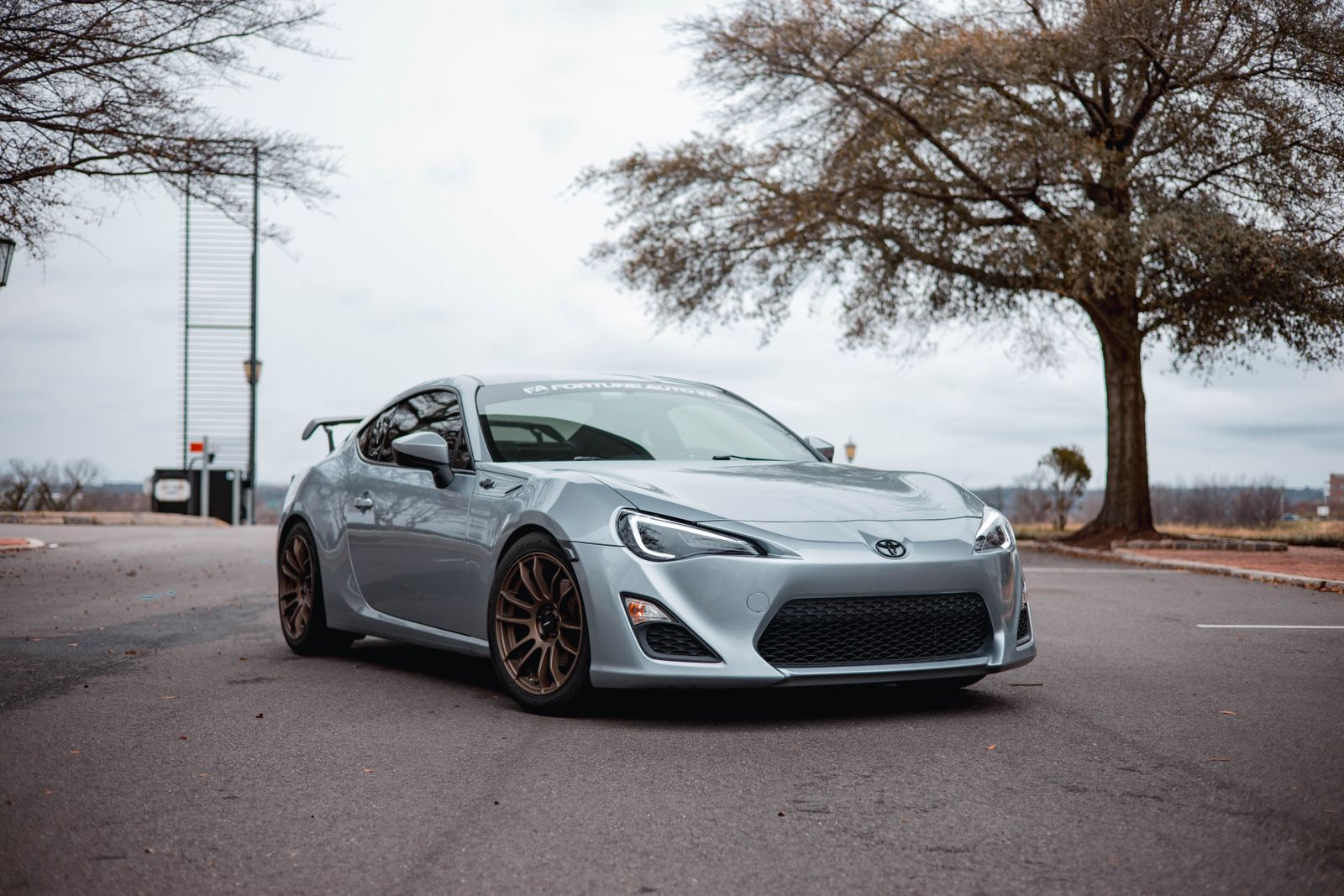
The best exotic car transport is a service with equipment and custody terms matched to the exact car. Confirm clearance, approved loading instructions, enclosure and any transfers in writing. Price and a “specialist” label do not replace acceptance of your vehicle’s actual configuration.
A low car needs more than an enclosed trailer
Give measured ground clearance and photographs of splitters, diffusers and other vulnerable areas. Ask the operator how its loading arrangement accommodates them. Describe lift systems, unusual starting procedures or transport modes using the manufacturer’s instructions.
Do not promise to remove components or raise suspension without knowing whether it is appropriate. The hauler should confirm the planned method; a sales assurance that it carries expensive cars is not a technical answer for yours.
Give dispatch a usable exception list
Write the unusual instructions on one short sheet: where the key is kept, how the immobilizer is released, who can demonstrate the lift system and which components must not be used as restraint points. Use the owner’s manual or qualified advice for the actual instructions; the shipment note should communicate them, not invent them.
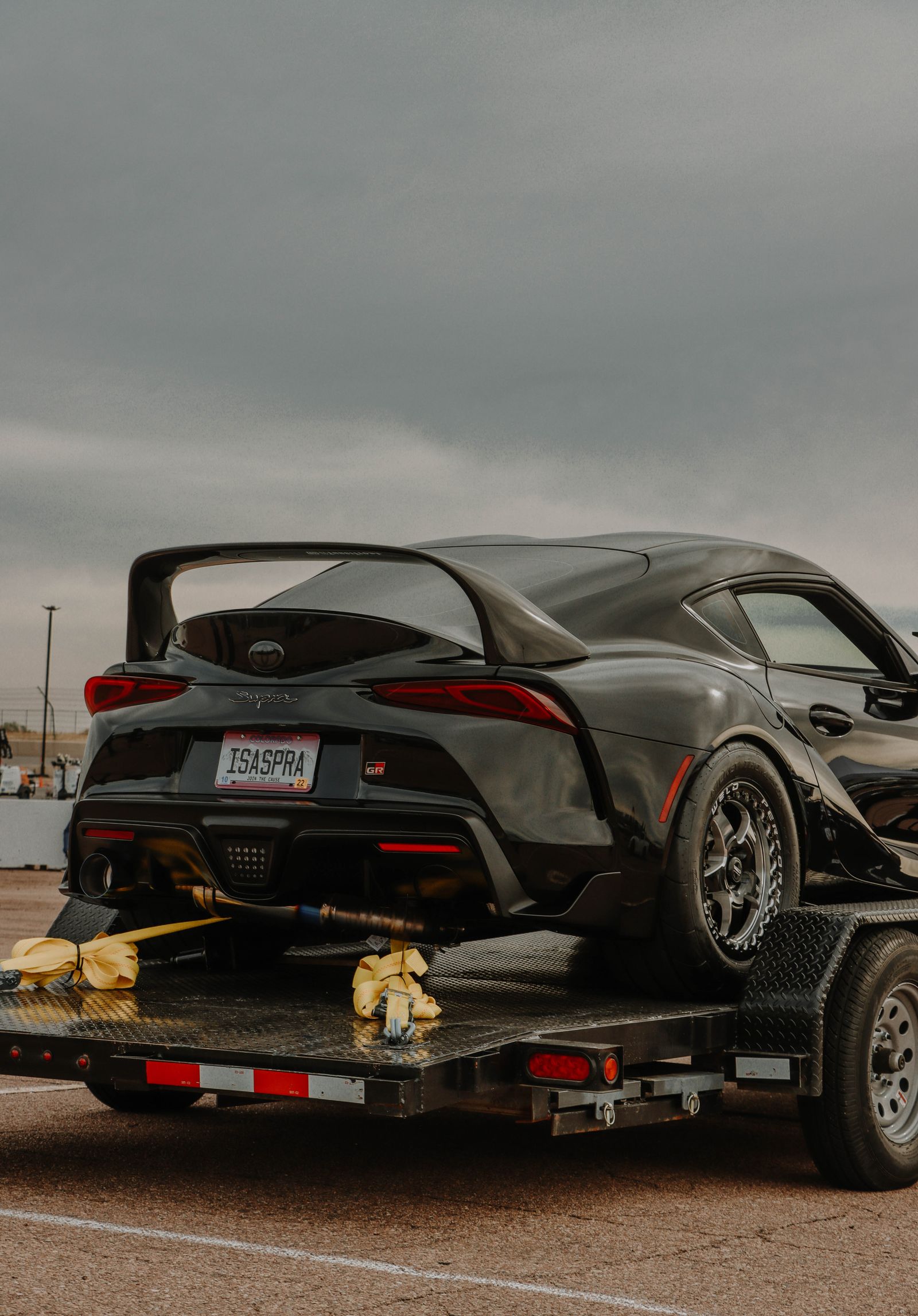
Ask what happens if a car cannot be started at delivery. A loading method can be suitable at collection yet leave no workable unloading plan after a flat battery. Confirm access to authorized assistance and agree who approves additional work. When comparing exotic-car transport costs, keep clearance, transfer limits and delivery constraints fixed. Otherwise a cheaper offer may simply leave those requirements out.
Clearance
Measured lowest vulnerable point
Assigned equipment acceptedControls
Manufacturer instructions
Responsible demonstrator namedSubstitution
Different trailer or transfer
Owner approval condition recordedTurn this plan into comparable transport options
Use the actual vehicle, pickup and delivery details, timing and handling needs so every quote starts from the same scope.
What should a serious offer explain?
| Question | Useful answer |
|---|---|
| Protection | Actual open or enclosed equipment and exposure during transfers |
| Loading | How clearance and approved restraint points will be handled |
| Custody | Whether the car changes trucks or enters storage |
| Timing | Confirmed obligations versus estimates around your appointment |
| Coverage | Declared value, exclusions, deductible and claims contact |
Ask for amendments to the written order when an answer changes the service. Do not leave an important protection promise only in a sales conversation.
Know who physically handles the car
FMCSA’s automobile-transporter advisory provides a registration-check route. Verify the business identifiers supplied with the proposal and distinguish the seller from the assigned carrier. This is a starting check, not an endorsement or proof of specialist handling skill. FMCSA
If a broker arranges the move, ask when the actual carrier and equipment will be identified. Decide in advance whether you will accept a substitution and what information you require before authorizing it.
Make the inspection useful to the next person
- Photograph low bodywork and existing marks in good light.
- List keys, detachable equipment and agreed accessories.
- Tell the receiver about any special controls.
- Arrange time and space to examine the car on arrival.
- Retain signed condition records at any intermediate handoff.
A show deadline or workshop appointment can make delay costly. Ask how the contract handles that situation and whether a contingency storage location is acceptable. Select the provider whose answers fit your car and your tolerance for transfers, exposure and uncertainty.