

Sports car transport companies should be compared on loading compatibility, custody and timing for the specific vehicle. A luxury sedan, exotic road car and track-only race car can need different equipment and receiving arrangements. Confirm those requirements before treating two quotes as equivalent.
Start with clearance and modifications
Provide the make, model, measured ground clearance and photographs of splitters, diffusers and side skirts. Mention suspension changes, wheel widths and whether the vehicle is road registered or track-only. Ask the operator to explain how it will load and restrain that configuration.
If a lift system or transport mode is needed, supply the manufacturer’s instructions and identify someone who can operate it. Do not offer to change suspension settings or remove bodywork simply to rescue an unsuitable loading plan. The carrier should confirm compatibility before arriving.
For a luxury sedan or exotic road car, start with its actual requirements rather than assuming it shares a race car’s setup. Specify finish sensitivity, access controls, alarm or immobilizer instructions and the agreed declared value. For a track-only car, arrange people and equipment to move it within the venue; road delivery does not include a pit crew or permission to drive on public streets.
Protect the event or workshop handoff
For a race car, ask the venue who can receive the transporter and where unloading is permitted. The person accepting custody may need different access credentials from the driver. Keep the event or workshop contact with dispatch and arrange an alternative if the planned recipient is delayed. Do not treat arrival at a venue gate as delivery to a garage or pit space.
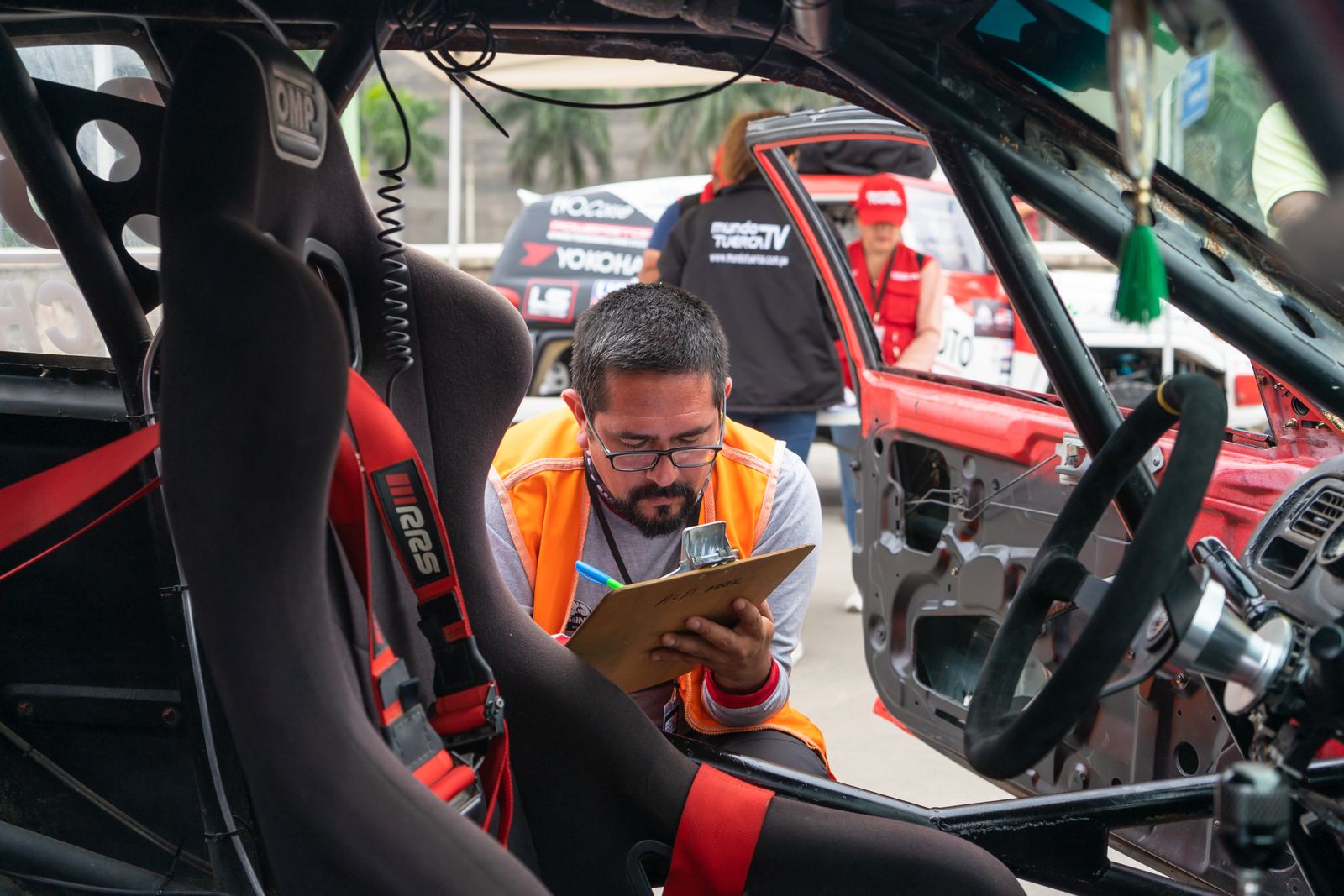
For a luxury road car, clarify the accepted keys, alarm procedure and any transport mode. Document low bodywork and wheel condition without implying that the carrier’s insurance covers every possible loss. Compare luxury-car shipping quotes with the declared value and transfer limits held constant. A promise of “premium” service should be translated into equipment and custody terms you can actually check.
Turn this plan into comparable transport options
Use the actual vehicle, pickup and delivery details, timing and handling needs so every quote starts from the same scope.
Owner or workshop
Vehicle instructions and record
Authorized releaserTransport operator
Accepted equipment and transfers
Custody contactVenue or receiver
Access hours and inspection
Named authorized recipientCompare offers using an acceptance test
| Proposal detail | Question that resolves it |
|---|---|
| Trailer | Is the promised loading system assigned or only requested? |
| Enclosure | Does protection continue through transfer and storage? |
| Schedule | Which date is contractual and what happens if it is missed? |
| Value | What limit, deductible and exclusions apply to this car? |
For a circuit, workshop or event delivery, obtain the site’s receiving hours and truck access contact. A transporter arriving at the venue is not the same as the car being released to you in time for use.
Check the parties before paying
FMCSA’s automobile-transporter advisory distinguishes brokers that arrange carriage from transporters that perform it. Ask which role the business selling the service plays and obtain the assigned carrier’s identifiers when available. Verify those details using the official checks linked by FMCSA. FMCSA
Registration is not a rating of sports-car handling. Ask separately for the proposed loading method and the process for approving substitutions. If the operator cannot yet identify the equipment, decide whether you can accept that uncertainty and examine cancellation terms.
Preserve evidence and special instructions
Photograph low bodywork, wheels, glass and existing marks before the car leaves. Inventory keys and detachable equipment accepted by the service. Give the receiving person the starting procedure, release details and condition record rather than assuming the driver will pass everything on.
Arrange an inspection before completing receipt paperwork. Record any discrepancy and use the written claims process promptly. The strongest offer gives you a verifiable chain from a suitable loading system to an authorized receiver, without asking you to rely on a slogan.