
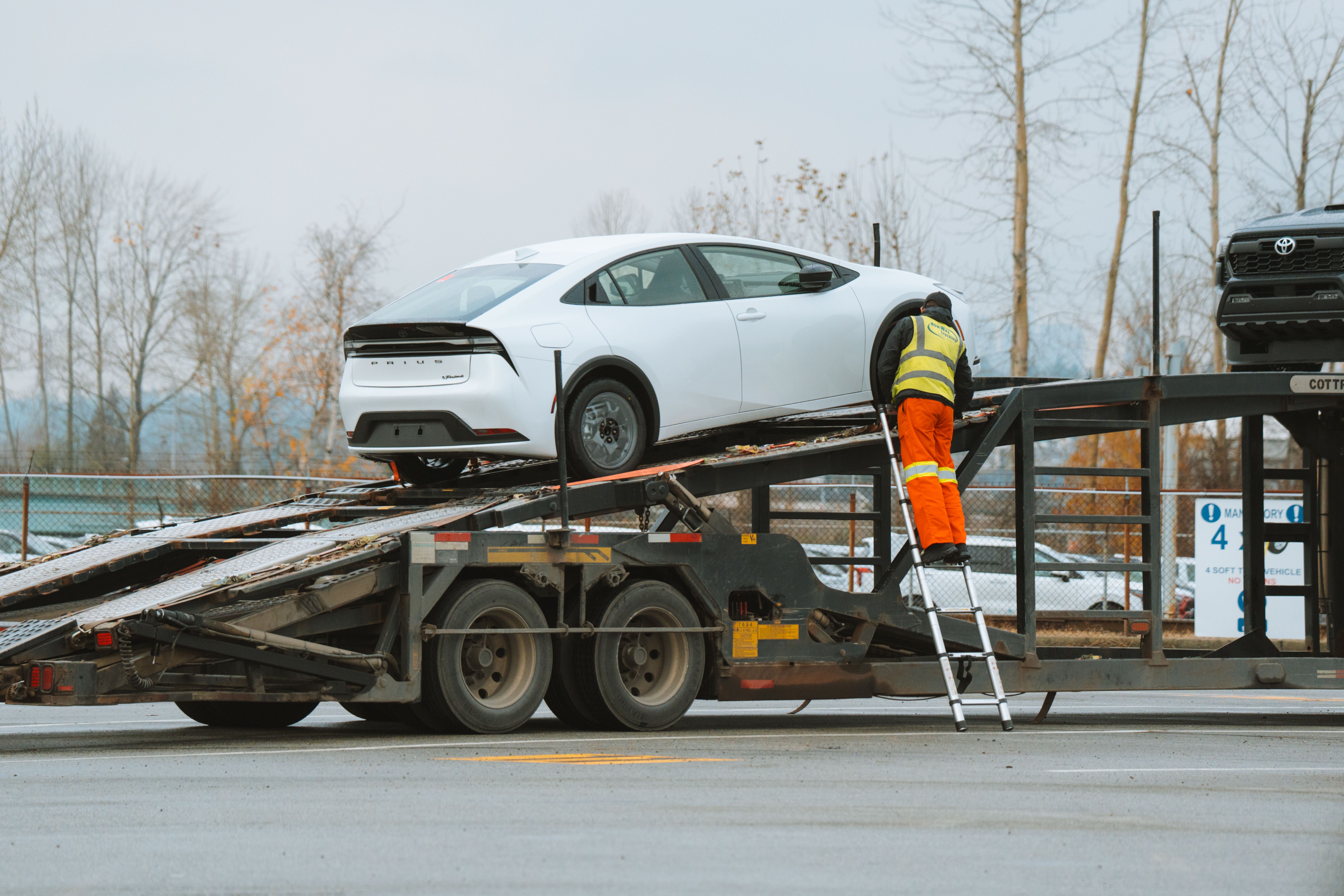
For auto transport in Abilene, start with the exact pickup address, vehicle condition and a realistic collection window. I-20 is relevant to the city’s road network, but proximity to the highway does not confirm carrier availability or make a residential street suitable for loading. Have the assigned carrier approve the final access and handoff plan before the truck arrives.
Use the address, not just “Abilene”
A residential driveway, dealership yard and gated storage lot create different handoff questions. Describe the entrance, turning space, parking restrictions and who can open the gate. If you are collecting a purchased car, find out when the seller will release it and whether staff can wait for a collection window rather than a fixed appointment.
TxDOT documents I-20 frontage-road work between Pine Street and Loop 322 in Abilene. That establishes local corridor context, not a promise of a particular carrier route or a statement that construction is active at your pickup. Recheck current road conditions and ask the driver to assess the approach appropriate to the actual truck. Do not direct a transporter using only a passenger-car navigation route.
Plan the fallback before the collection day
If the carrier cannot use the original Abilene address, agree an alternative before asking someone to drive the car out. Confirm that the owner of the meeting location permits loading and that the assigned truck can use it. Then decide who keeps custody while waiting and how the releasing person returns home. Those practical details are part of a workable handoff, even when they are not carrier services.
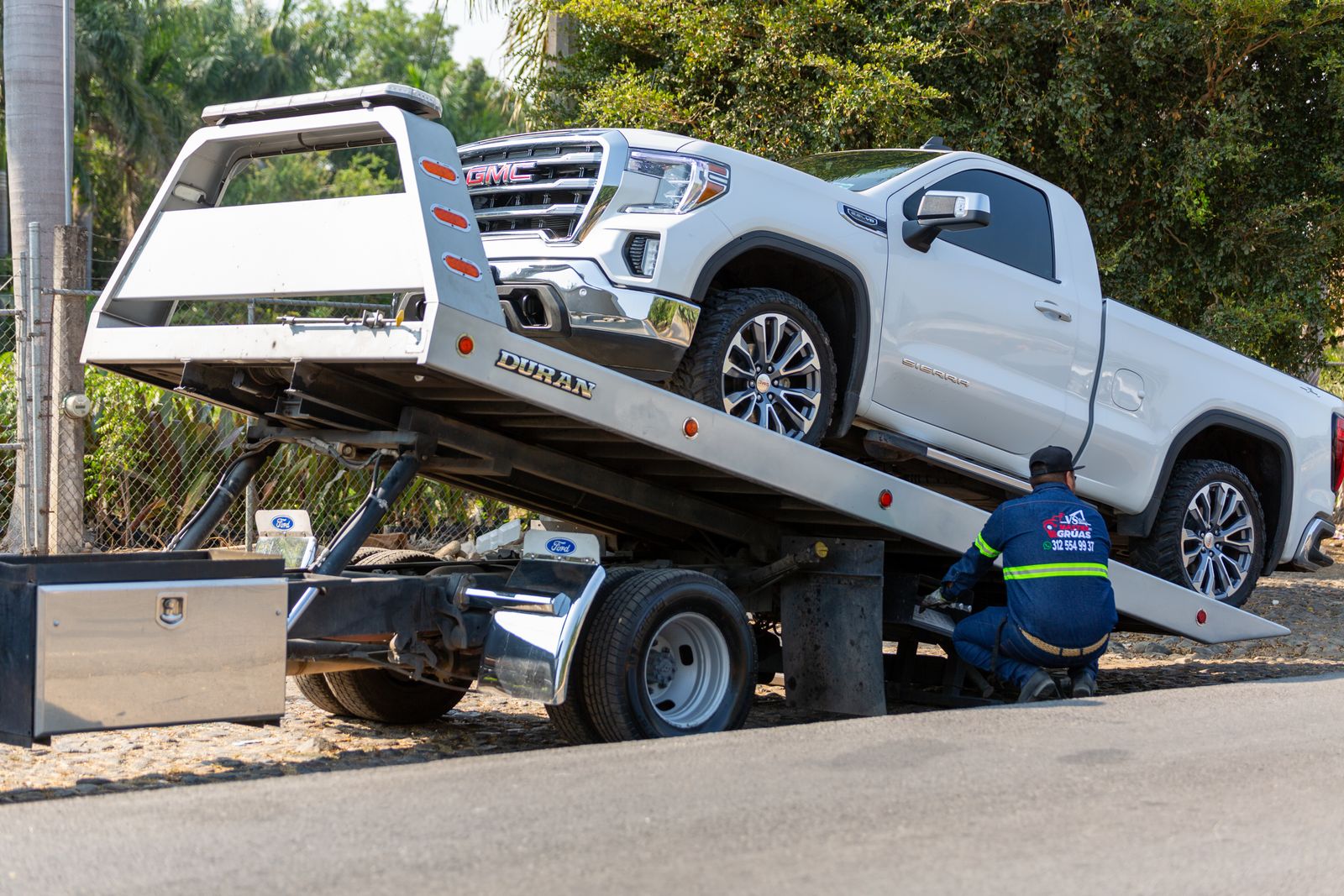
The door-to-door service explanation helps distinguish an address request from guaranteed driveway access. Keep the accepted meeting point with the quote and ask for a revised total if the change alters the agreed scope. Do not interpret a corridor map or a nearby highway exit as authorization to load there.
Original address
Entrance and street restrictions
Carrier access decisionAlternative point
Property permission and truck fit
Agreed before moving the carRelease person
Keys, inspection and return trip
Available for the full windowAgree a handoff that the truck can use
Check the site
Tell dispatch about narrow approaches, overhead obstacles, slopes, soft ground and limited turning room. Photos of the entrance can help explain a restriction.
Let the carrier assess access
Ask whether the assigned equipment can safely and lawfully reach the address. The decision depends on the truck and the street, not a general door-to-door label.
Confirm any meeting point
If a different location is needed, obtain the property owner’s permission and carrier approval. Agree who brings the car and how that person gets home. Do not assume a rest area or store lot permits loading.
Turn this plan into comparable transport options
Use the actual vehicle, pickup and delivery details, timing and handling needs so every quote starts from the same scope.
Explain what the vehicle can actually do
“It runs” is too vague if the battery goes flat, a wheel is locked or the car cannot climb a loading ramp. State whether it starts reliably, steers, brakes and rolls, and disclose fluid leaks or low-clearance modifications. Ask how any non-running vehicle will be loaded and unloaded at both ends. Do not assume a winch is included or that the destination has suitable unloading equipment.
| Pickup situation | Information to send |
|---|---|
| Private home | Street access, driveway slope, nearby legal stopping options and your available hours. |
| Dealer or auction release | Release reference, contact person, collection hours, keys and confirmation that payment holds are cleared. |
| Storage or gated property | Entry instructions, authorized release person, access hours and any appointment requirement. |
Compare timing and price on the same assumptions
Ask each provider to price the same destination, vehicle and collection window. Clarify whether the date is a request, an estimated window or a written commitment, and what happens if assignment takes longer. A route enquiry is not proof that a truck already has a space available. If your travel plans cannot move, explain that constraint before accepting an open-ended collection arrangement.
Keep a person available at each end to inspect and release or receive the car. Record the condition before loading and again at delivery, including existing marks and any new concerns on the handover paperwork. Save copies before the driver leaves. If the delivery address changes, request revised access approval and terms rather than assuming the original plan still applies.
For an interstate shipment, verify the provider’s role and registration using the FMCSA automobile advisory. This guide describes planning considerations; it does not represent an Abilene office, confirm local service availability or supply a current market rate.