
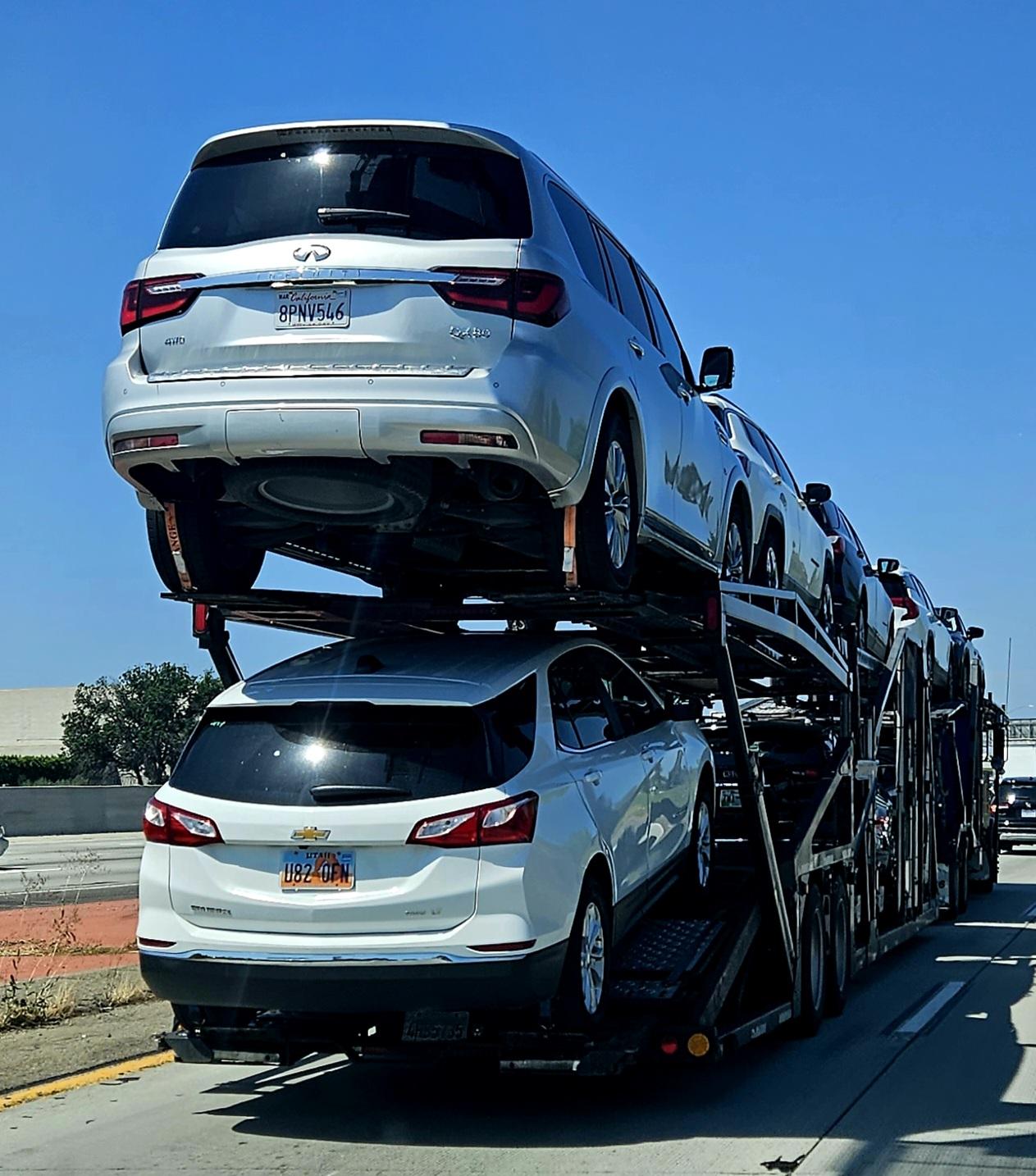
For auto transport in Akron, Ohio, define the actual pickup address, vehicle condition, destination and usable collection window. I-76 and I-77 provide regional context, but the assigned carrier still needs to approve the street and loading point. Compare written offers on the same handoff assumptions.
Keep the highway route separate from the last approach
A useful Akron enquiry explains how the car gets from its current parking space to the loading point. Tell dispatch if it is inside a garage, behind a locked gate or held by a dealer with fixed release hours. Give a contact who can confirm access and vehicle readiness instead of asking the driver to solve those questions on arrival.
If the car does not start reliably, say whether it can roll, steer and brake. Do not assume a truck equipped for running vehicles can recover it from a difficult position. The loading plan must also work at the destination, where the receiver may have no equipment. Send photographs when words do not make the restriction clear.
Use the door-to-door transport guide to check what the service boundary means. If an alternative meeting point is needed, obtain permission and carrier approval, then confirm who attends the inspection. Keep the original and revised terms together if the location or vehicle condition changes. That makes the quote comparison useful without claiming a local office or guaranteed space on a truck.
Regional roads
I-76 and I-77 context
Not confirmation of street accessActual address
Gate, garage and release hours
Named local contactFinal handoff
Carrier-approved point
Written scope and condition recordTurn this plan into comparable transport options
Use the actual vehicle, pickup and delivery details, timing and handling needs so every quote starts from the same scope.
What Akron changes about the planning task
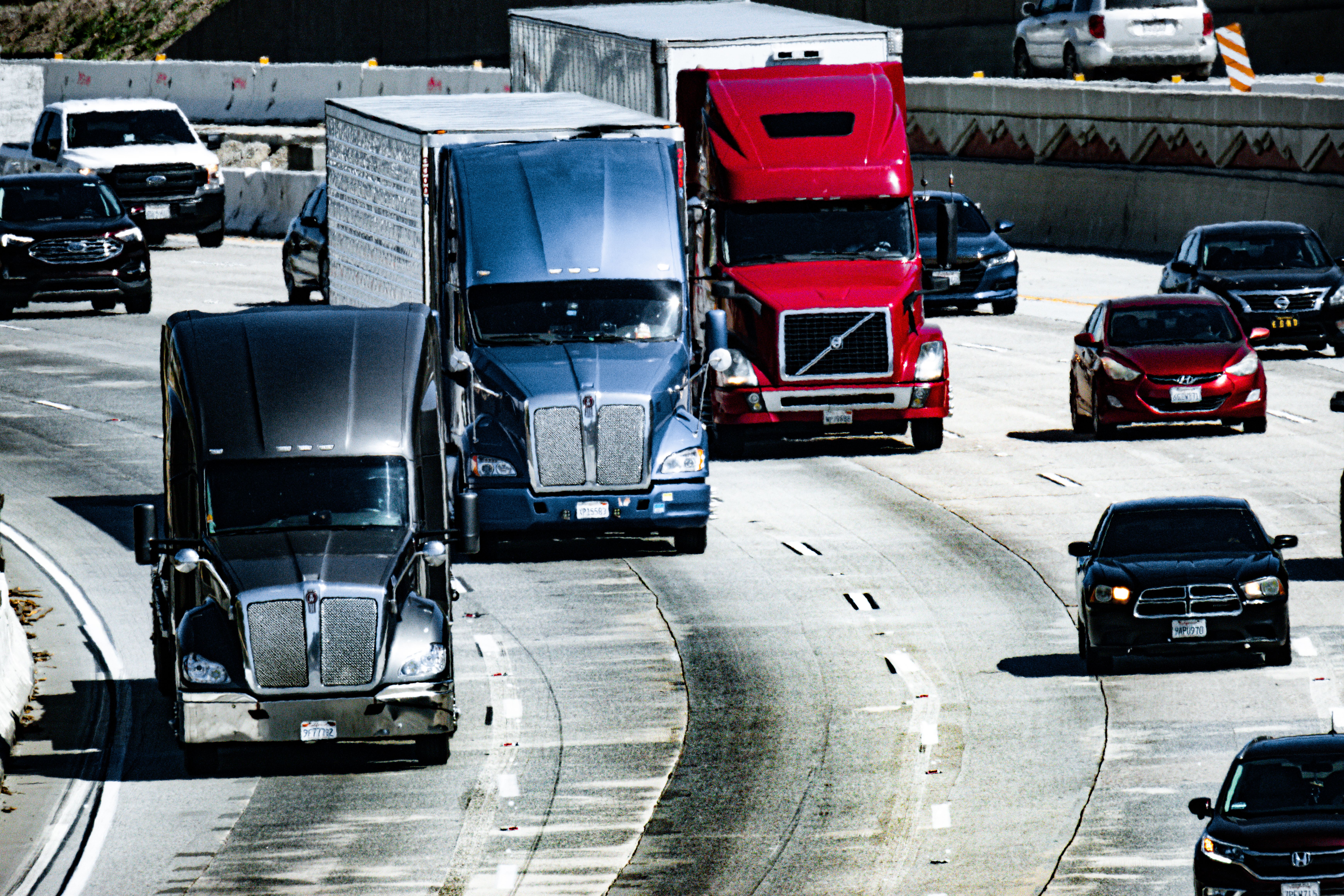
City planning materials show I-76 and I-77 as core highways through the Akron area. That does not mean every residential street is suitable for a multi-vehicle transporter. Pickup access should be evaluated separately from the broad highway network.
Before requesting quotes
| Confirm | Why | Practical note |
|---|---|---|
| Exact pickup location | Large transport equipment needs safe/legal access | A nearby larger street or meeting point may be more practical than a tight residential location |
| Vehicle operability | Non-running vehicles can require different loading capability | State whether the vehicle can steer, roll and brake |
| Destination scope | The route quote depends on where the vehicle is going | Keep Akron as the origin/locality and specify the actual destination |
| Provider role | Broker and carrier roles differ | Use FMCSA registration tools for interstate moves |
Make the destination as specific as the Akron pickup
Do not finish the comparison with only an Akron collection plan. Give every bidder the same destination property, receiving hours and vehicle condition at delivery. If either endpoint requires an alternate meeting point, identify who can move the car there and whether that change affects the total or pickup window. Keep the approved endpoints with the condition record so the receiver can distinguish a planned handoff from a last-minute driver suggestion.