
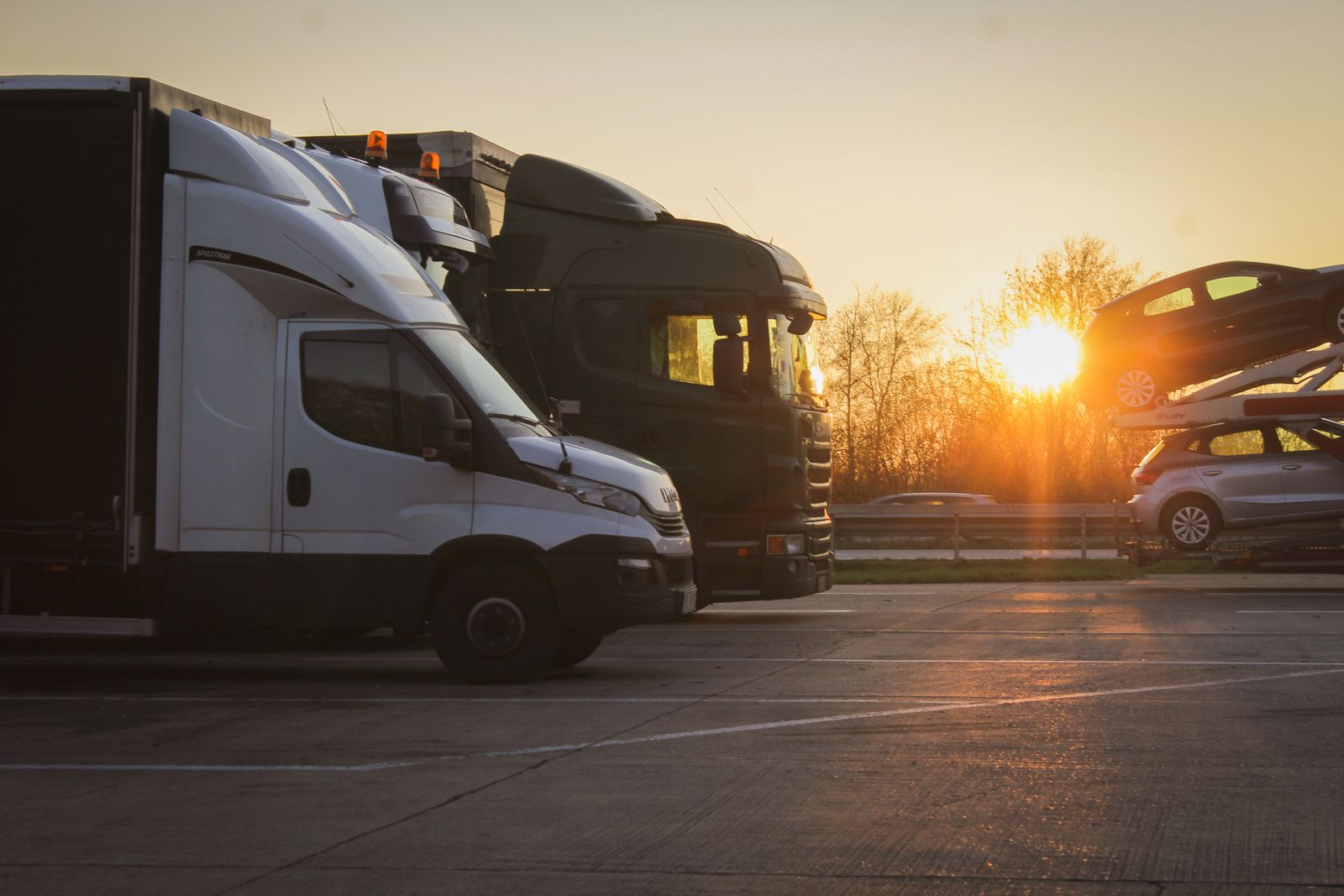
Auto transport in Apple Valley, California needs an accepted property-level loading plan. State whether the car starts, rolls, steers and brakes, then provide the exact address and destination. Regional I-15 and SR 18 access does not establish that a transporter can reach a car where it is parked.
Describe the car’s position as well as its condition
A non-running car beside a clear paved loading area is a different collection problem from one parked behind another vehicle or on a difficult surface. Describe where the car stands and send photographs of the route out. Do not ask the hauler to discover a locked wheel, missing key or blocked exit at arrival.
Ask what loading assistance the offer includes and who supplies it. If recovery or repositioning is needed before the transporter can collect, arrange that separately with a qualified provider unless the written scope expressly includes it. Avoid a do-it-yourself towing or pushing plan that the operator has not accepted.
The door-to-door service question is therefore both an address and a vehicle-readiness question. Keep operability fixed across quotes and disclose any change before dispatch. At the receiving end, confirm the unloading plan for the same non-running condition rather than assuming someone there can start or move the car.
Vehicle state
Starts, rolls, steers, brakes
Describe each function separatelyCurrent position
Clear path to loading area
Photos of obstaclesReceiving end
Same mobility limitations
Unloading capability acceptedTurn this plan into comparable transport options
Use the actual vehicle, pickup and delivery details, timing and handling needs so every quote starts from the same scope.
Apple Valley regional access depends on I-15 and State Route 18
Town of Apple Valley planning documents identify I-15 and SR 18 as regional access routes, including for truck-oriented development. The local handoff still has to work on the specific road and property chosen for pickup or delivery.
Tell the carrier the exact Apple Valley handoff and whether the vehicle runs. If large equipment or an unusual load is involved, confirm routing and permit responsibility separately; do not infer it from the city page.
Separate vehicle recovery from transport
If the Apple Valley car cannot reach the agreed loading area, ask the transporter whether repositioning is actually included. When it is not, arrange any recovery work as a separate responsibility before the carrier arrives. Record the vehicle’s state after that work, because a car that was moved once may still be non-running at delivery. The receiving plan should therefore name the unloading capability needed for the same condition.