

For Asheville auto transport, fix the vehicle and handoff addresses first, then have the carrier check the current regional approach. I-26 Connector material is planning context, not proof that a particular route or property is usable on pickup day.
Describe a difficult approach without prescribing the truck route
If the Asheville property has a steep drive, sharp turn, overhead obstacle or limited turnaround, disclose it with photographs. These conditions need an equipment-specific assessment. Do not direct a multi-vehicle transporter along a passenger-car route simply because you have driven it yourself.
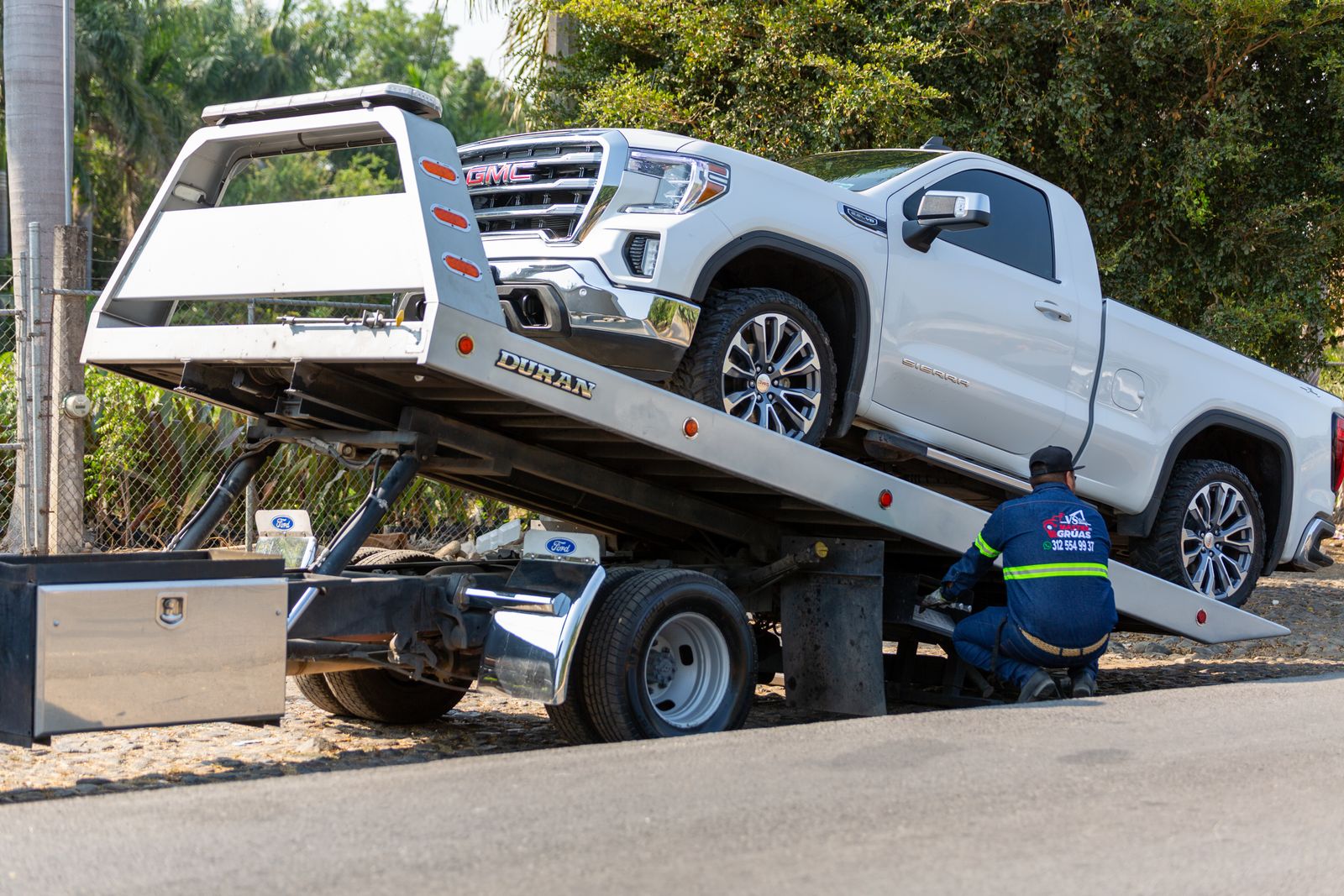
Ask whether the accepted scope uses the property or an alternate point. If the alternate is required, establish permission, the releasing person and whether the car can reach it under its own power. A non-running car can make that arrangement unsuitable even when it looks convenient on a map.
Read the door-to-door service explanation before agreeing a substitute. Keep current corridor checks with dispatch, but ask for written confirmation whenever the actual handoff or price changes. You can preserve a clear agreement while allowing the professional operator to choose the lawful approach for its equipment.
Entrance
Slope, turns and overhead space
Photographs sent to dispatchTruck approach
Current regional conditions
Operator chooses suitable routeAlternative
Permission and vehicle mobility
Scope change agreed in writingTurn this plan into comparable transport options
Use the actual vehicle, pickup and delivery details, timing and handling needs so every quote starts from the same scope.
Asheville’s I-26 work changes how regional access should be checked
The City of Asheville describes the I-26 Connector as linking I-26 with I-240, I-40 and US 19/23/70 through a multi-part highway project. For transport planning, the durable lesson is to check the current corridor condition close to the handoff instead of assuming the same approach is always available.
Provide the street-level pickup or delivery point and keep timing flexible enough for the carrier to account for current work-zone conditions. The city source supports corridor context, not a promise that a particular truck route is open.
Decide who moves the car if Asheville access fails
An alternate meeting point only works if the vehicle and a responsible person can reach it. State whether the car is roadworthy, who is authorized to drive it and how that person will return after the handoff. If nobody can perform that local movement, tell the carrier before accepting the substitute point so it can propose a different loading solution. Record any resulting price or timing change with the approved location.