
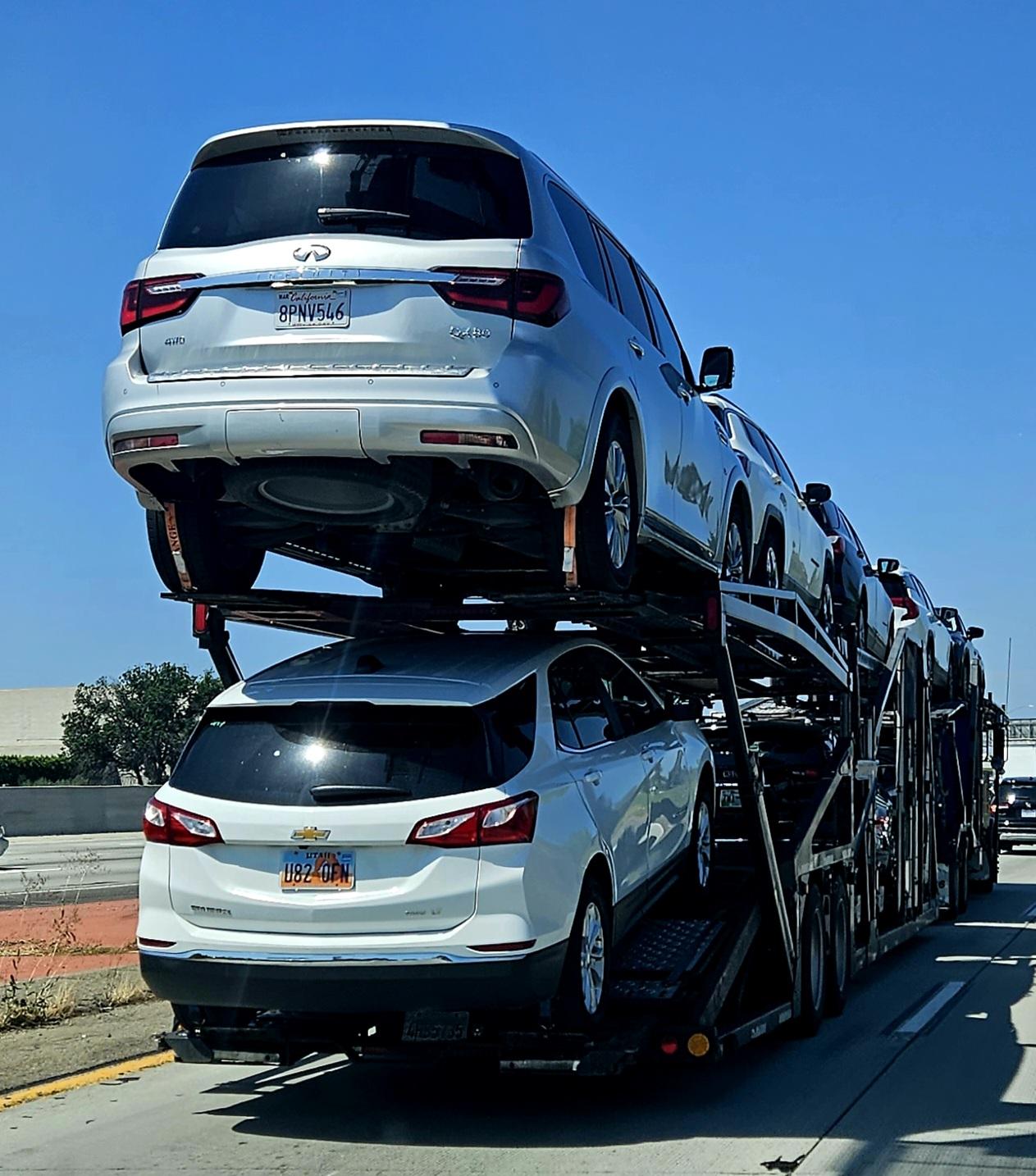
Bay Area auto transport needs a named municipality and exact property, not a regional label. Give companies the same vehicle, endpoints, method and dates. Have the assigned carrier approve each loading location and document any meeting point that replaces a requested address.
A Bay Area query still needs a specific county, city and handoff
MTC plans goods movement across a nine-county region, so “Bay Area” covers many different local road systems rather than one pickup condition. Use the regional plan as corridor background, then give the carrier the municipality and exact handoff location that the regional document cannot choose for you.
Keep both sides of a regional move specific
A quote described only as “Bay Area pickup” leaves too much open: the city, street, gate and releasing person still need to be identified. Use the actual address even if you have not chosen a carrier yet. If the vehicle is at a dealer or storage business, confirm which entrance handles releases rather than using its general office address.

Do the same for delivery. A receiving apartment building, private driveway and staffed lot create different access questions. Ask the operator whether the proposed equipment can use the requested point and what alternative it would accept if not. Do not substitute a convenient regional landmark without permission.
The door-to-door service guide explains why the service label alone cannot settle these decisions. Keep each company’s location assumptions beside its price. That makes a comparison between Bay Area car transport companies meaningful without inventing a local fleet, terminal or special street rule.
Turn this plan into comparable transport options
Use the actual vehicle, pickup and delivery details, timing and handling needs so every quote starts from the same scope.
Origin
Municipality and actual entrance
Release contact and hoursCarrier assessment
Equipment and access
Alternative agreed if necessaryDestination
Exact receiving property
Authorized person and inspectionMake the comparison table reflect the region’s size
Keep the requested city and property in the first column of your own comparison. Put any proposed meeting or terminal address in a separate column, even if both are described as Bay Area service. You can then see whether a lower price requires a longer personal trip or a separate local movement.
Ask who authorizes a changed destination after collection. If your move has not yet settled on a receiving address, state that uncertainty before booking and request the provider’s change process. A regional label should not be used to hide an undecided endpoint that the carrier will later have to price and assess.
Choose one Bay Area endpoint for the quote
A regional label is too broad for a fair price or access comparison. Give every company the same city and street-level handoff, receiving person and vehicle condition, then ask whether its equipment can use that location. If you are willing to meet elsewhere, state the acceptable radius or specific alternatives before pricing. This makes a lower offer comparable instead of letting each bidder assume a different part of the Bay Area.