
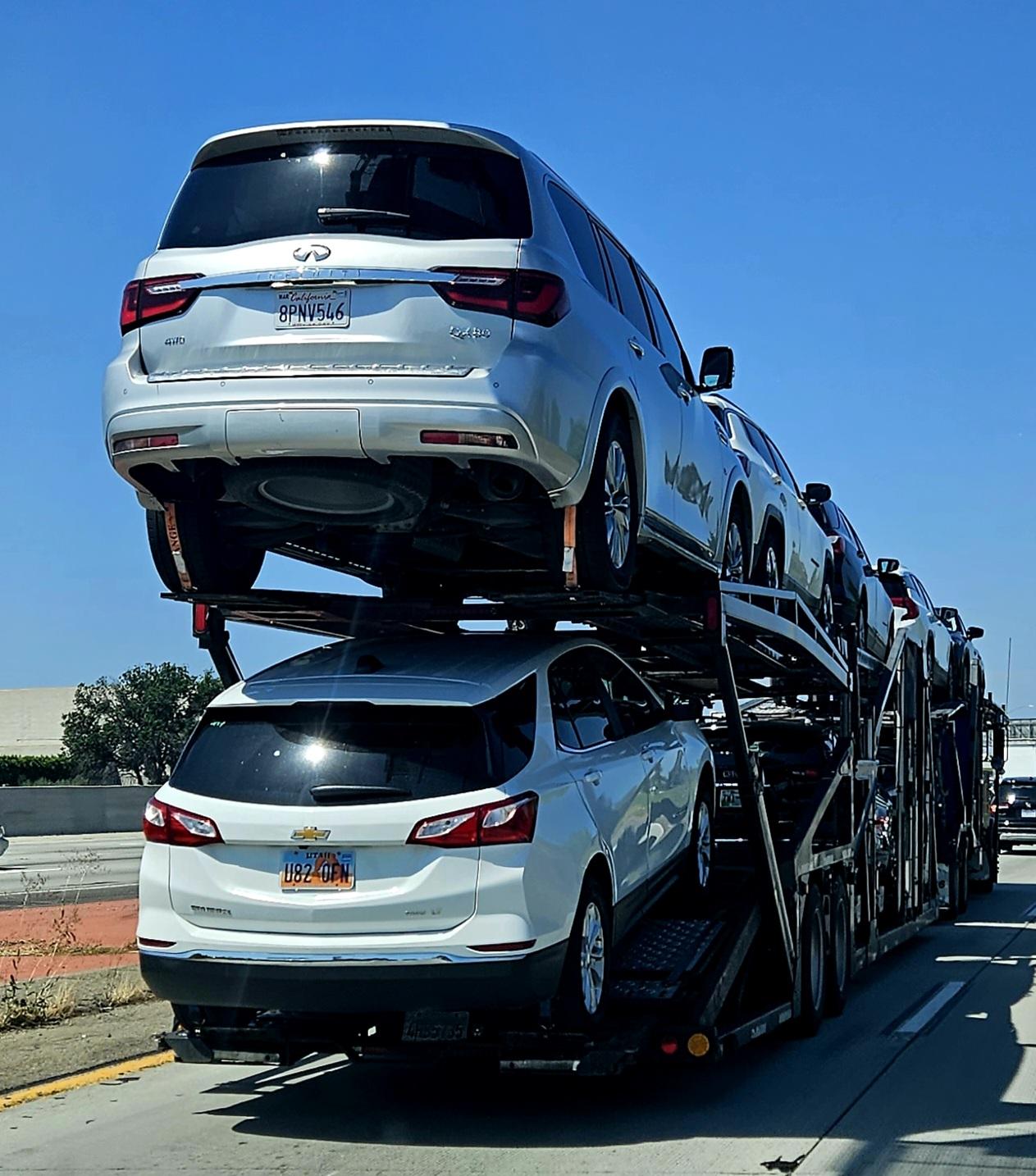
Bend auto transport should be arranged around a carrier-approved property, a clear vehicle description and an available person at each end. The metropolitan transport plan supplies regional context, not permission to load at a driveway, curb or public parking area.
Bend’s long-range plan includes freight without setting a pickup rule
The Bend MPO transportation plan treats freight alongside roads, transit, walking and biking in the region’s long-range network. It is useful for understanding the planning setting, not for deciding where a carrier can load a car today; settle the property-level handoff directly with the transporter.
Give the carrier evidence it can use for access
If the Bend approach is difficult to describe, send recent photographs from the entrance toward the loading area and explain any obstruction. Include whether the car can move under its own power. The operator needs to assess the whole path, not just whether there is room beside the parked vehicle.
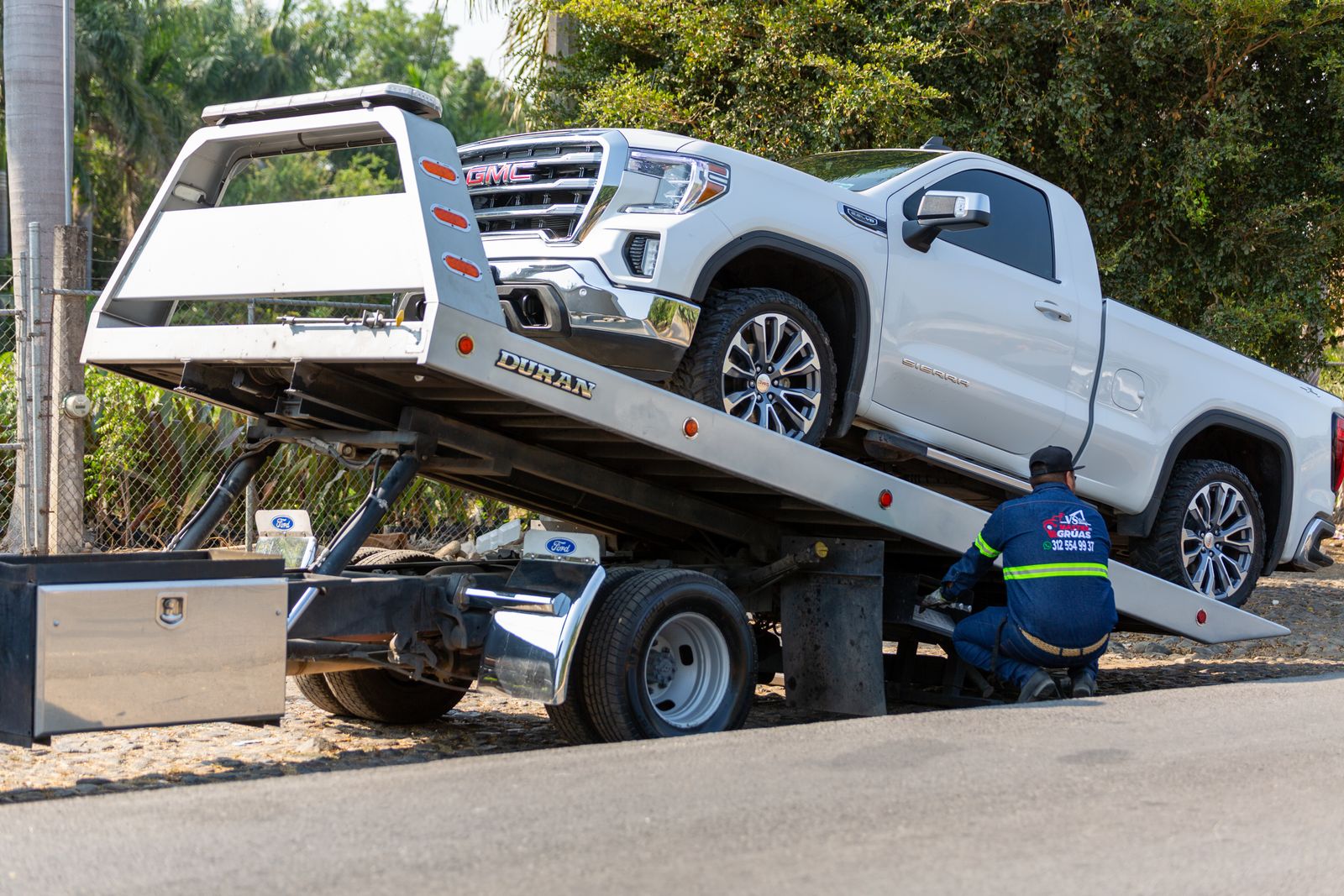
Ask for an alternative before dispatch if the requested address is unsuitable. Confirm permission at that location and whether the releasing person can wait there through the stated window. Do not offer a public lot simply because it looks empty at the time you visit.
Review the door-to-door service scope after the access decision. If the quote now assumes a different location or loading assistance, retain the revision explicitly. At delivery, give the receiver the condition record and enough notice to inspect the car; an arrival message does not replace a plan for who can accept custody.
Turn this plan into comparable transport options
Use the actual vehicle, pickup and delivery details, timing and handling needs so every quote starts from the same scope.
Approach evidence
Current photos and obstacles
Full path to loading areaVehicle mobility
Runs and can reach handoff
No assumed repositioning serviceReceiving person
Notice and condition record
Inspection time availableCheck the return journey from a meeting point
Before accepting an off-site Bend handoff, work out how the releasing person returns after giving up the vehicle. Ask how much notice the carrier can offer and decide where that person can wait with permission. These arrangements are yours to make unless the transport contract explicitly supplies assistance.
If waiting at the proposed location is impractical, tell dispatch before accepting it. A point that fits the truck may still fail as a customer handoff. Ask for another agreed option and compare any cost difference with the full circumstances, including the vehicle’s ability to reach the new location.
Account for the trip back from a Bend meeting point
If the carrier proposes an off-property handoff, plan what happens to the releasing person after the car is loaded and what happens to the receiver after delivery. A location that is easy for a truck may be impractical without another vehicle or a second person. Include that constraint when comparing alternatives, and confirm the car can legally and reliably travel the local distance. Record the chosen point before dispatch.