
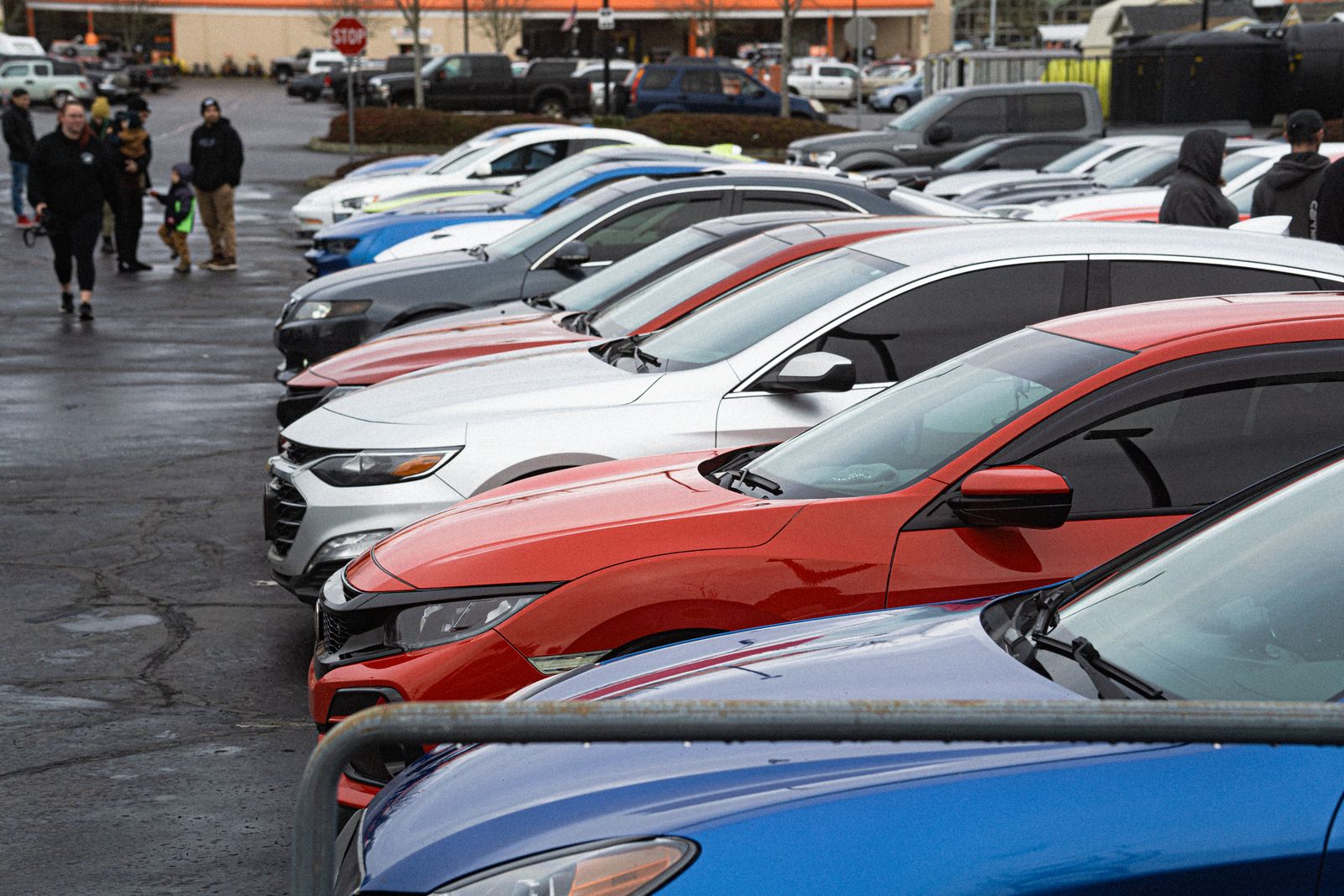
Burleson car transport needs a written collection boundary, an accepted vehicle condition and a named carrier. Give the actual Burleson property and final destination, then compare the same method and dates. Regional coverage alone does not promise entry to the property or immediate truck availability.
Check where the offer actually starts
Give the company the Burleson street address and final destination. If it proposes collection elsewhere, ask why, where and who must move the vehicle there. A regional service-area claim does not mean a truck will enter your property.
Send access information such as gate hours, turning space and the vehicle’s parking position. Have the assigned driver or dispatcher evaluate the stop. Do not arrange loading on a private lot without permission.
Make failed-pickup terms part of the comparison
Ask what happens if the truck arrives and the car cannot be released. A payment hold, absent key holder or undisclosed mechanical fault can create a different problem from a carrier that never arrives. Read how the agreement handles each situation instead of assuming all unsuccessful pickups have the same treatment.

Before dispatch, have the seller or owner confirm release readiness and tell the carrier about any new fault. If the vehicle’s position has changed, provide the revised access information too. That gives the operator a chance to accept the actual job before people and equipment are committed.
Use the auto-transport cost breakdown to compare the complete charge and conditional extras. Keep waiting or failed-collection terms beside the base total. A seemingly cheaper Burleson offer may be less useful if it assumes access or readiness that the releasing party cannot provide.
Turn this plan into comparable transport options
Use the actual vehicle, pickup and delivery details, timing and handling needs so every quote starts from the same scope.
Base move
Accepted car and endpoints
One complete totalRelease failure
Keys, holds or absent person
Contract treatment understoodChanged condition
New loading requirement
Reconfirm before dispatchEstablish who sells and who carries
FMCSA distinguishes auto-transport brokers from carriers. Ask the seller which role it performs, obtain its legal identity and verify the applicable registration. Once assigned, keep the actual carrier’s details with the contract so changes and claims reach the right party.
FMCSA reference
Put the collection promise next to the price
Compare the total for the agreed location, equipment and dates. Resolve reservation payments, cancellation rights, waiting and failed-pickup charges before paying. Photograph the vehicle at release, retain the condition report and ask the destination receiver to inspect against it. No local-office or immediate-capacity claim is made about any provider here.
Define a Burleson failed-pickup outcome before dispatch
Ask what happens if the carrier reaches the area but cannot use the agreed property or the vehicle is not ready. The written answer should distinguish waiting, a different meeting point, rescheduling and cancellation. Identify who may authorize each option and whether it changes the total. This makes a low quote more comparable because you can see the cost and responsibility attached to the most likely exception instead of evaluating only the successful pickup scenario.