
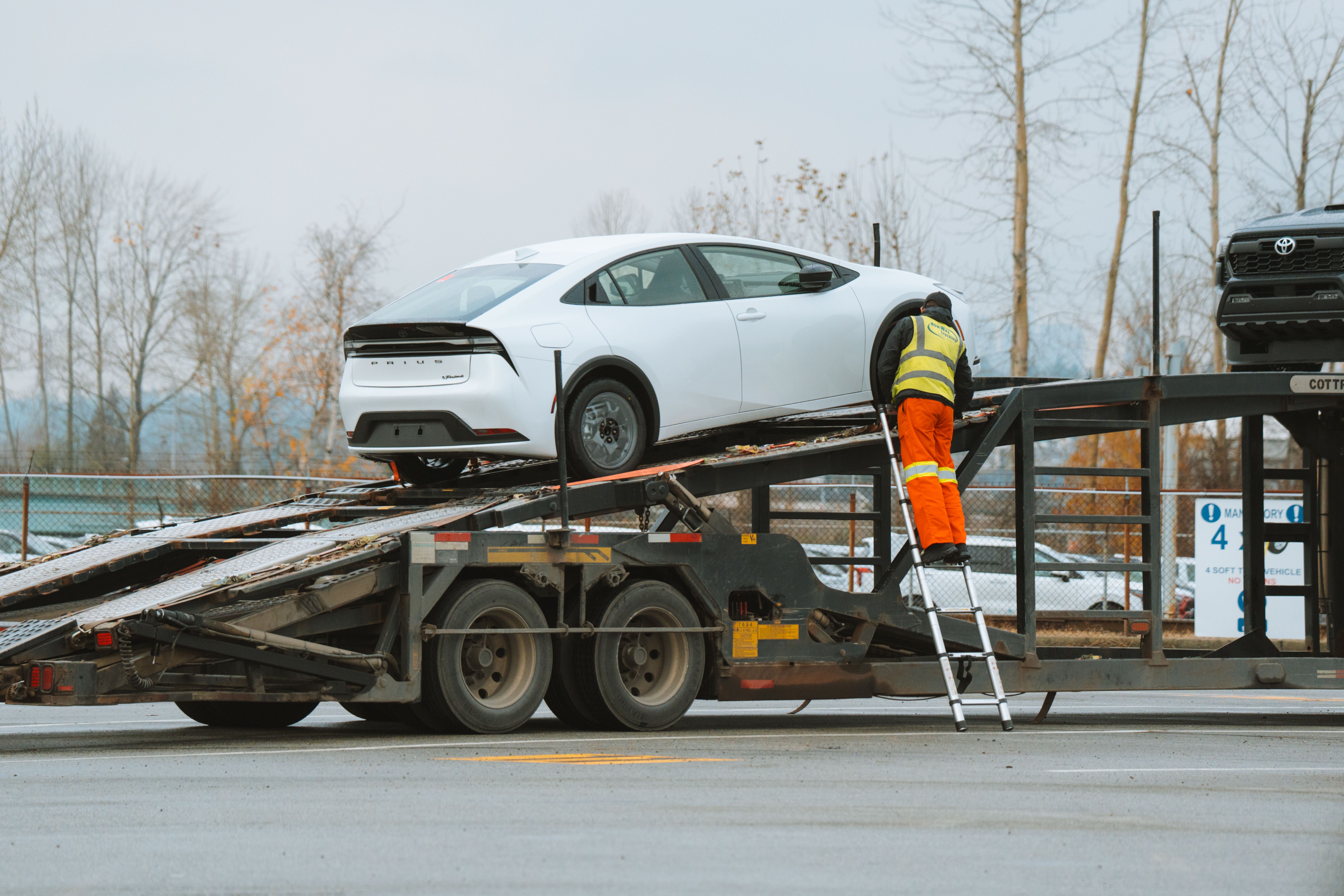
Knoxville car shipping should settle the proposed loading activity and any necessary street arrangements before dispatch. Ask the carrier and responsible authority what applies to the actual operation; do not assume every shipment needs a closure or that an application guarantees approval.
Identify any street occupation early
Knoxville Transportation Engineering lists a Temporary Traffic Control Permit among its permits and applications. If the carrier proposes occupying or closing public right-of-way, ask the city whether that process applies to the actual loading plan. Knoxville Transportation Engineering
This does not mean every car shipment requires a closure permit. Ask the operator whether its proposed loading activity would need traffic control, then confirm the applicable process and timing with the responsible authority. A permit listing is not a promise of approval or proof that a particular loading location is suitable.
Have a plan if the requested space is unavailable
Ask the operator what space its assigned equipment needs and what it will do if the proposed location cannot be used. If a street arrangement is necessary, confirm who requests it and when approval is expected. Do not book dependent work from an unconfirmed application.

For a different site, obtain permission and make sure the vehicle can reach it. A car that cannot roll, steer or brake may require a separate movement, with its own cost and condition record. Keep that work in the agreement instead of hoping the main transporter can improvise it.
Use the door-to-door service explanation to compare the original and alternative handoffs. Record any revised charge and the person allowed to approve it. The destination receiver needs the final unloading point too, especially if delivery into Knoxville uses a different arrangement from the address first requested.
Turn this plan into comparable transport options
Use the actual vehicle, pickup and delivery details, timing and handling needs so every quote starts from the same scope.
Space requirement
Actual truck and loading activity
Operator describes needApproval if applicable
Responsible authority and timing
Confirmation retainedAlternative
Permission and mobility
Revised scope acceptedA different loading point may be more practical
Send the driver photographs showing the width and approach of the proposed location. If it cannot be used, discuss another site before committing to collection. Check the property owner’s permission and tell the provider if you cannot personally move the vehicle there.
Keep an inoperable car’s local transfer separate in the agreement: who supplies it, where custody changes and whether the cost is included. Do not leave that work to be negotiated when the transporter arrives.
Ask for a complete shipment proposal
| Item | Information to confirm |
|---|---|
| Car | Dimensions, clearance and actual running condition |
| Truck | Open or enclosed equipment and access approval |
| People | Release and receiving contacts with inspection authority |
| Agreement | Payment stages, cancellation and changed-location charges |
Determine who is arranging the booking and which carrier will physically transport the car. Keep copies of the agreed scope and both condition records. For delivery into Knoxville, the receiver should know the approved unloading place before setting off to meet the truck.