
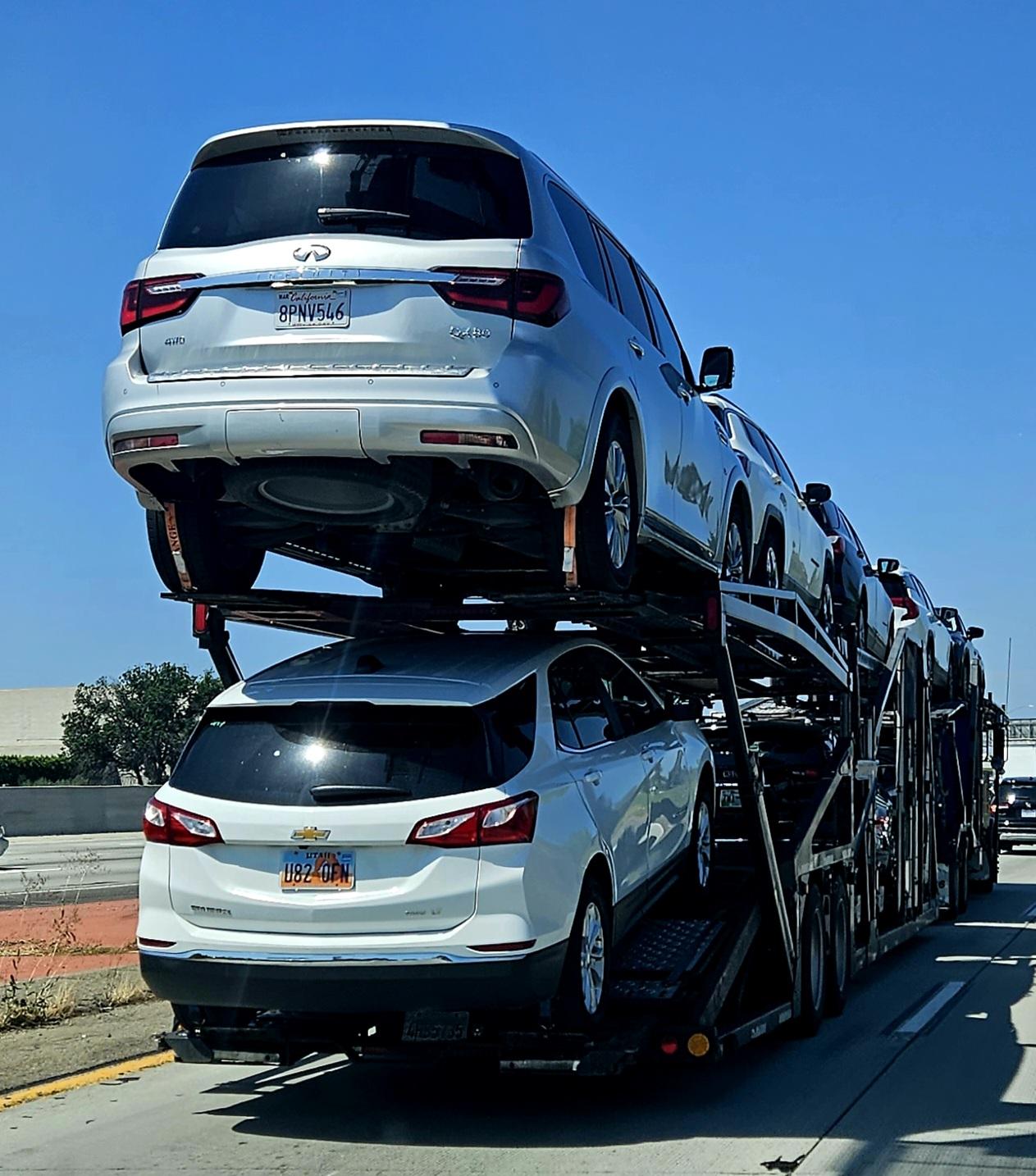
Long Beach car shipping needs acceptance from the actual property or terminal and a separate check of truck access. A city or port-area address does not establish a marine booking. Define every local transfer and any required loading-space arrangement before comparing offers.
Obtain acceptance from the actual recipient
Ask the named property or facility to confirm the car’s booking, entrance, hours and any release or receiving reference. A carrier offering Long Beach service does not establish that a particular terminal will accept your vehicle. If onward marine or international transport is required, verify that separate booking and its preparation rules.
State who handles the movement between the truck’s unloading point and the facility. A nearby delivery may leave you responsible for an additional transfer.
Keep facility acceptance separate from street permission
A facility may confirm that it will receive your vehicle while the carrier still needs a workable way to reach and unload at the designated point. Ask for the correct entrance, hours and reference, then have dispatch confirm equipment access. Neither answer should be assumed from the other.
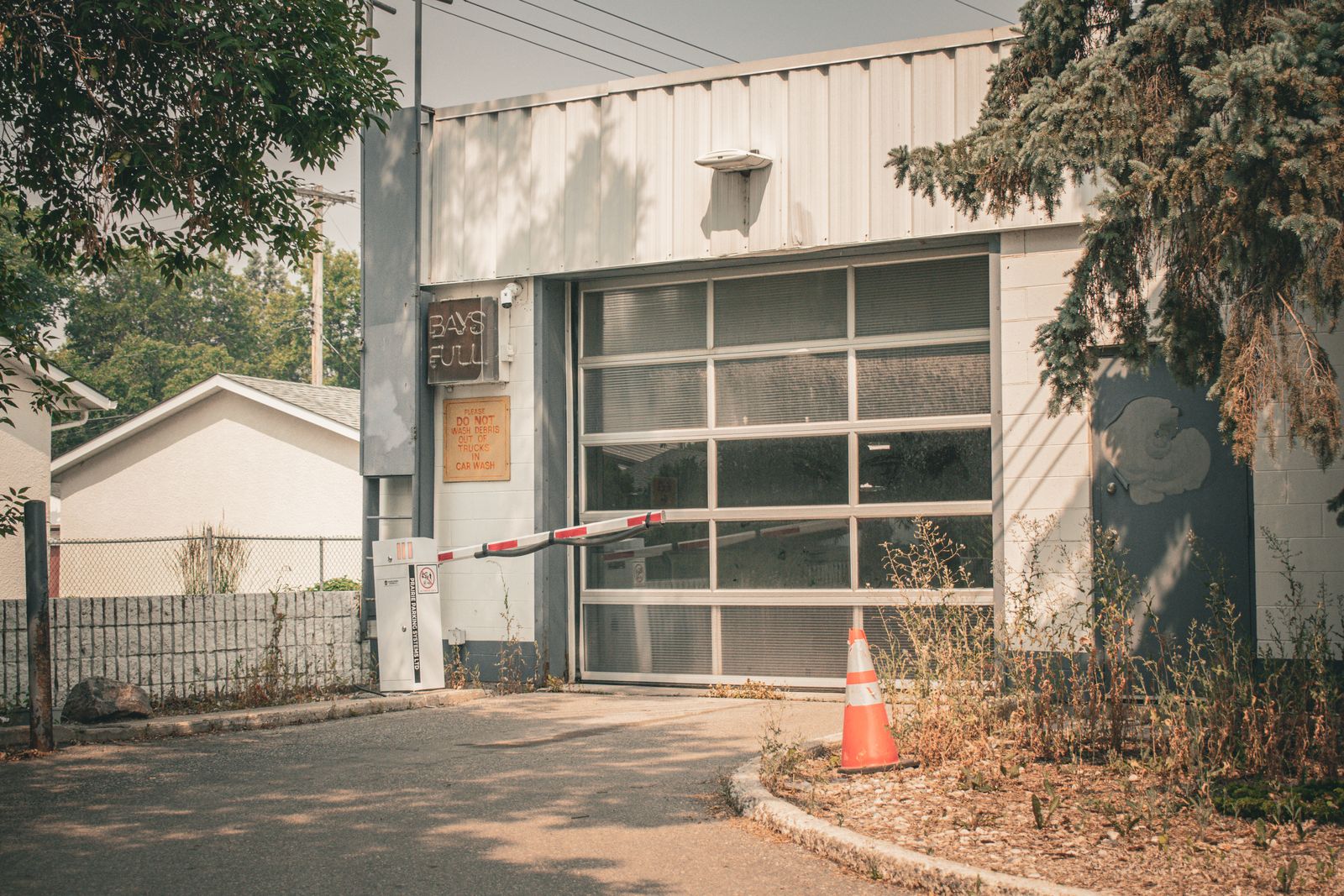
If a road delivery stops near rather than inside the facility, identify who completes the remaining movement. Confirm that the car can perform it and record where custody changes. A small distance can still leave a material service gap if the vehicle is non-running or the receiver lacks authorization.
The auto-transport cost guide helps expose that extra leg in the comparison. Keep terminal, street-space and carrier responsibilities visible beside the total. If the location changes, recheck the relevant permission instead of treating an approval tied to one point as transferable to another.
Facility consent
Booking, entrance and receiving hours
Actual recipient acceptsTruck access
Loading point and equipment
Carrier approvesAny remaining movement
Operator and custody boundary
Included or separately arrangedTurn this plan into comparable transport options
Use the actual vehicle, pickup and delivery details, timing and handling needs so every quote starts from the same scope.
A permit and a clear loading space are different arrangements
Long Beach’s oversized-vehicle permit form limits the permit to the resident’s block, while the city directs requests for a designated moving-van no-parking area to Street Operations. Long Beach oversized parking and reserved-area guidance Long Beach permit form and block limit
If space must be kept clear for the transporter, ask about the designated-area process rather than assuming a temporary parking permit reserves the curb. Confirm that the actual vehicle and loading activity qualify and ask the operator how much space it needs.
Keep the facility’s consent and truck-access assessment separate. A permit tied to one residential block should not be treated as transferable approval for a different collection point. If the proposed stop changes, settle the applicable permission and any local transfer before moving the car.
Keep the handoff chain clear
Choose equipment based on the car’s size, operating condition and clearance. Compare proposals that state every included movement, waiting charge and storage term. Identify both the booking business and assigned carrier before release.
Retain pickup photos and signed condition notes. At a transfer facility, record which party accepts the keys and vehicle and when its responsibility begins. Send the final recipient those records and payment instructions so a multi-party journey does not lose its condition history.