

Montana car shipping needs a current, carrier-approved approach and a workable loading point. Disclose vehicle mobility and property conditions, then agree what happens if access becomes unsuitable. An open highway or an earlier road-status screenshot does not confirm access to the car itself.
A seasonal closure is a real boundary
MDT states that its seasonally closed roads receive no winter maintenance and cannot be used while closed. MDT seasonally closed roads
Check the department’s current route status for the area involved. This does not mean every Montana shipment requires a mountain crossing, or that a listed scenic road is suitable for a transporter when open. Give the driver the exact address and leave truck routing to the operator.
For a remote property, describe road surface, turning space and any private gate. Ask who will confirm the last approach close to pickup. An open state highway does not establish that the loading spot is clear.
Compare waiting with an extra local movement
If the requested location cannot be used, ask the operator for feasible options rather than assuming the car must be moved immediately. A later date may be workable if the owner can keep custody. An alternative point may require permission, a driver or a separate transporter. Compare the complete responsibilities before choosing.
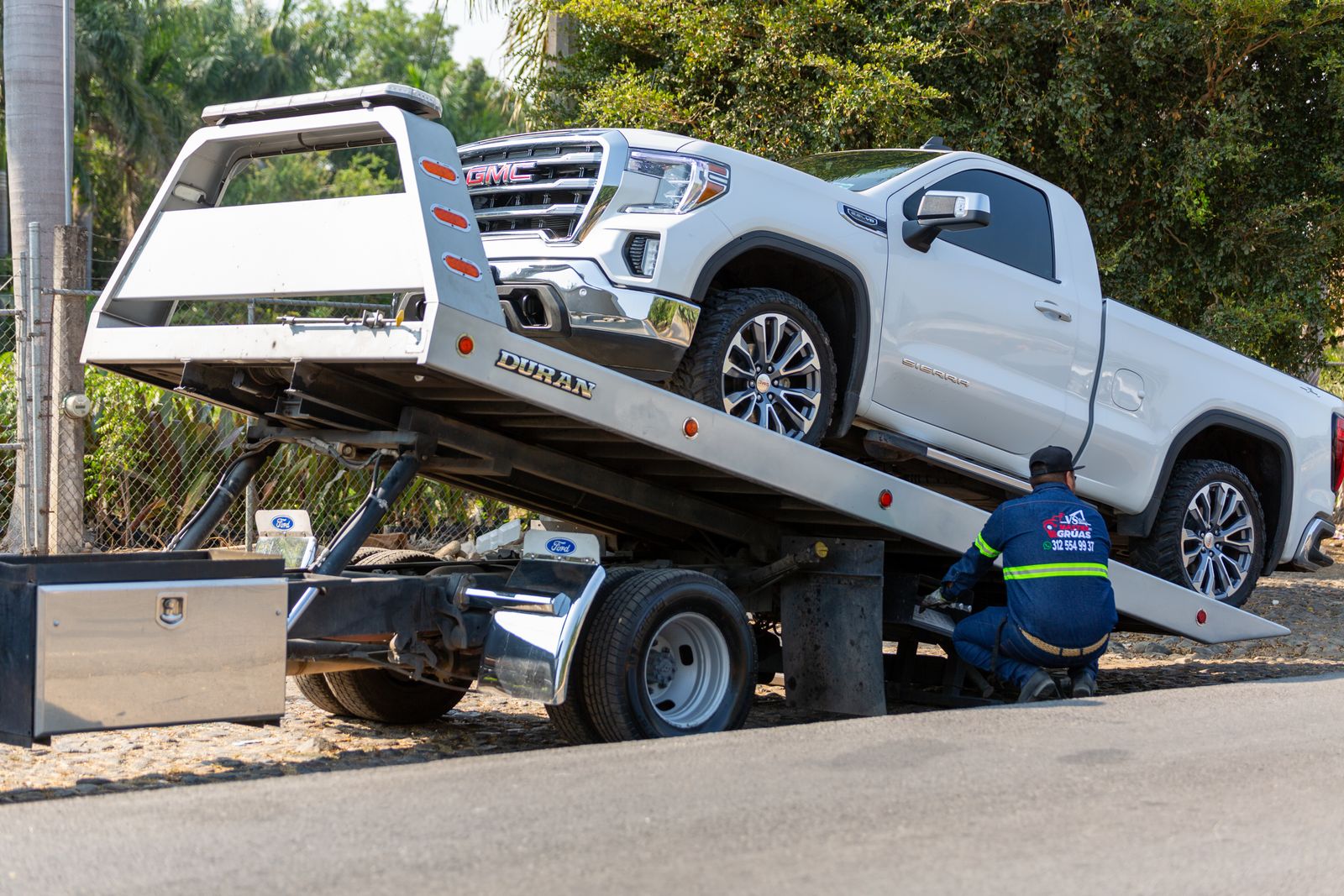
For a non-running vehicle, make the local movement explicit. Identify who loads it, where the main carrier receives it and which records document that handoff. Do not treat a short transfer as included simply because it is near the original property.
Turn this plan into comparable transport options
Use the actual vehicle, pickup and delivery details, timing and handling needs so every quote starts from the same scope.
The auto-transport cost breakdown helps keep these alternatives outside the base offer until accepted. Record the revised date, location and total before release. Current road information should guide the carrier’s decision, while property permission and the car’s actual condition remain separate checks.
| Option | Clarify | Acceptance test |
|---|---|---|
| Wait at origin | Owner can retain custody | Revised window accepted |
| Use alternate site | Permission and car mobility | Personal movement feasible |
| Separate local haul | Special assistance required | Cost and custody specified |
Send enough information for the right equipment
Provide vehicle make and model, actual running condition, modifications and earliest readiness. A car that will not steer or brake needs more explanation than “does not run.” Request written acceptance of that condition and the loading method.
Compare the same service endpoints and trailer type. Ask for the hauling company’s details when assigned, the expected pickup window and the complete payment and cancellation terms. Do not interpret an enquiry response as a confirmed truck allocation.
Choose a contingency before the appointment
- Postpone if access cannot be made safe.
- Use a carrier-reviewed transfer site only with permission.
- Arrange separate local movement if the car cannot reach that site under its own power.
- Record who pays for the extra step and who holds the keys.
Photograph the car before changing custody and send the records to the destination receiver. If you leave the area, appoint someone who can handle a revised appointment without guessing at your instructions.