
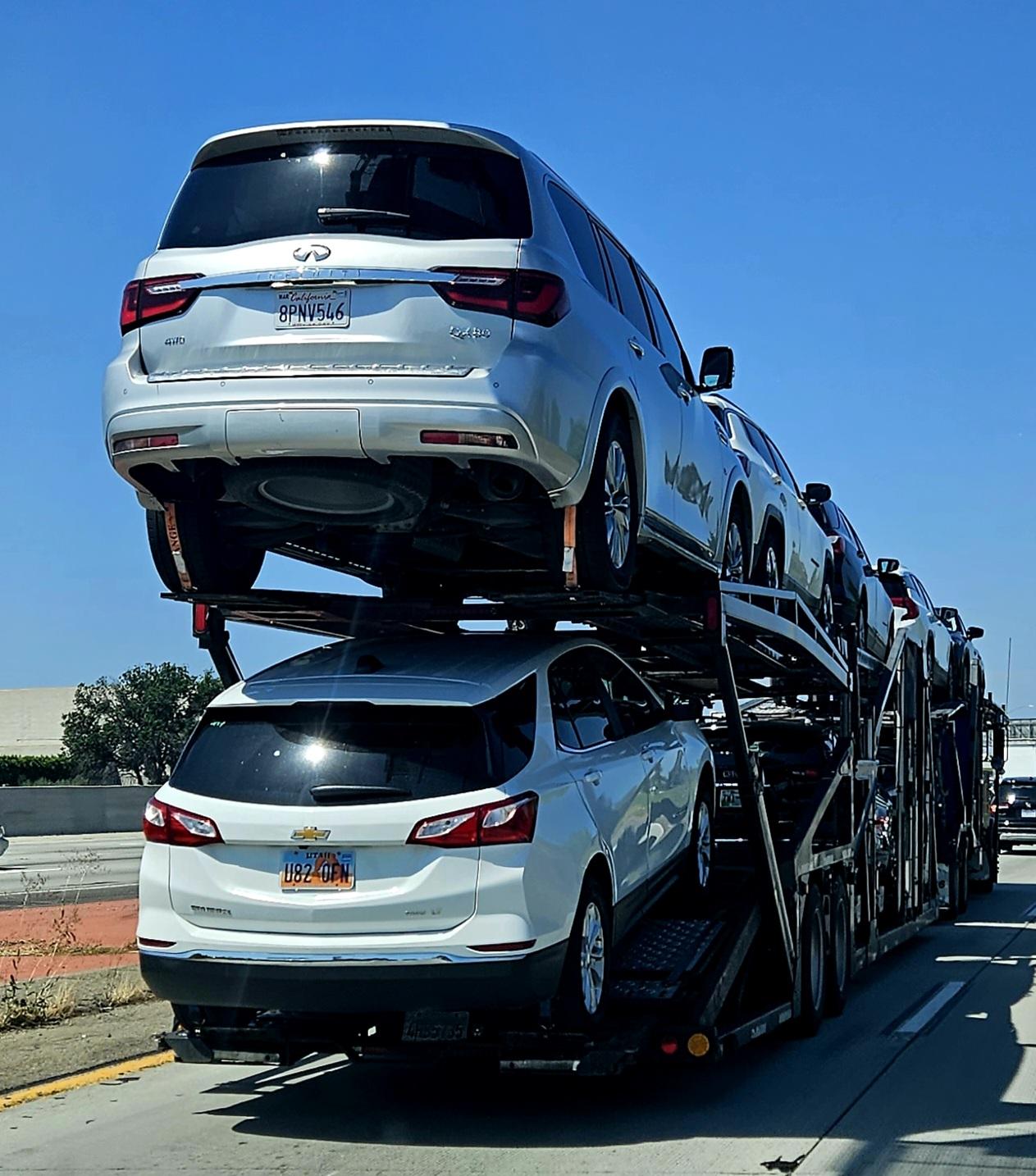
San Jose car shipping requires an accepted loading point, appropriate use of the actual curb or property, and equipment suited to the car. Tell companies about clearance, operability and release hours, then compare offers using the same two endpoints and scope.
Identify what the curb is for
San Jose’s parking compliance guidance identifies freight loading and passenger loading zones as regulated parking categories. San Jose parking compliance guidance
Read the signs for the actual location and ask the city about the proposed carrier use if the fit is unclear. Do not assume passenger pickup space is available for loading a car onto a trailer, or that a zone will remain empty for your appointment.
If the driver would need to occupy more space than the marked area, raise that before booking. A suitable private site may be another option, but it needs permission from the person controlling it.
Do not let a repair estimate become a pickup commitment
For a San Jose workshop collection, ask when the vehicle will actually be ready to release and who confirms that to dispatch. A planned completion date is not proof that keys, payment clearance and safe loading condition will all be ready. Tell the operator if any of those facts changes.
If an alternate loading point is proposed, decide who moves the vehicle from the workshop and whether it can be driven. Ask for a separate accepted arrangement if recovery or special assistance is required. Keep the workshop’s release record and the carrier’s condition report together without confusing their purposes.
Compare enclosed transport separately when it meets a real protection need, but still check ramp and clearance compatibility. The trailer label cannot resolve an unsuitable curb or a car awaiting repair. Choose the complete proposal that matches readiness, equipment and the receiving person’s availability.
Turn this plan into comparable transport options
Use the actual vehicle, pickup and delivery details, timing and handling needs so every quote starts from the same scope.
Workshop readiness
Actual release, keys and condition
Named confirming contactLoading point
Curb use or private permission
Carrier-approved spaceVehicle fit
Clearance and mobility accepted
Method priced separatelyExplain the car’s loading limitations
Tell the provider whether the vehicle starts reliably and whether it can steer, brake and roll. Mention lowered suspension, added bodywork or modifications affecting height. Ask for written acceptance of any condition that requires special loading equipment.
For a workshop or dealer collection, identify who releases the vehicle and when. Confirm that the car will be ready rather than scheduling around a hoped-for repair completion. If it must be moved to an alternate loading point, establish who performs that movement and how it is charged.
Evaluate the two ends of each offer
Compare the San Jose pickup point, destination handoff, equipment and date windows. A company offering a lower total may be assuming a different meeting point or an ordinary running car. Ask it to restate the price for your conditions before choosing.
Request the booking business name and carrier-assignment procedure, then review payment and cancellation terms. Have both contacts keep condition photographs and the signed records. If access or timing changes, require agreement on the revised location and any additional work before the handoff proceeds.