
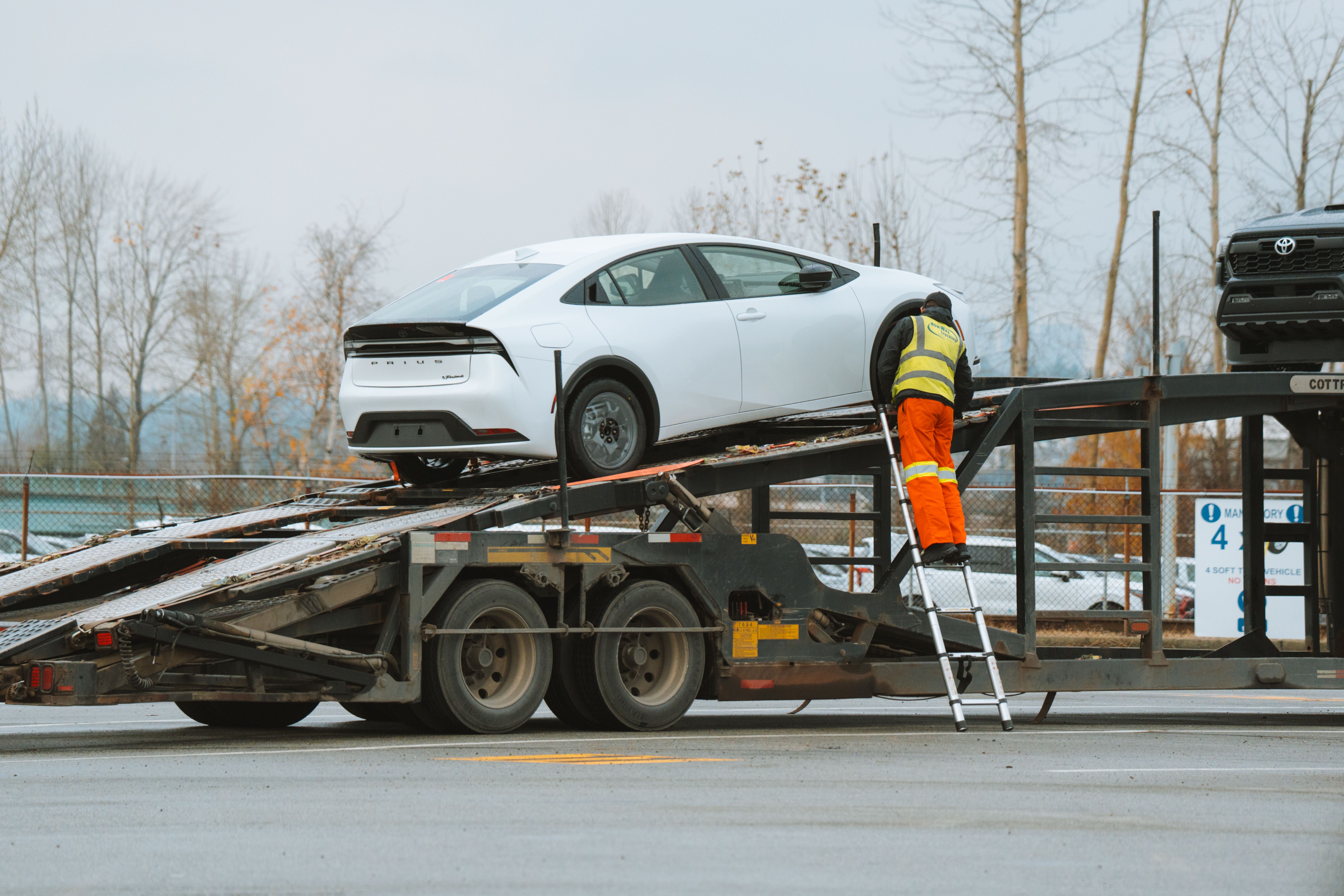
Tacoma car shipping should identify who carries the vehicle and whether any household-moving package actually includes that work. Define the car’s own scope, custody and condition records, then resolve property or curb use with the responsible parties before collection.
Ask what happens to the car
Tell the business you need a vehicle moved and give both endpoints. Does it operate the hauling equipment, arrange another carrier or merely refer the job? Ask which company’s agreement covers the car and when you will receive the assigned hauler’s details.
A household-goods quote should not be assumed to include a vehicle shipment. If the services are bundled, have the car’s charges, custody, condition records and cancellation terms identified separately enough to understand who is responsible for them.
Unbundle the vehicle from a general moving offer
If one business sells both household and vehicle moving, ask whether a separate carrier performs the car shipment and which agreement applies to it. Identify the vehicle charge, assignment process and cancellation terms. A single invoice does not necessarily mean the same crew or timetable handles both loads.

Give the auto carrier the vehicle’s actual condition and loading access independently of the household inventory. A moving-container location or a van’s parking arrangement may not suit the vehicle transporter. Ask the operator to assess the proposed operation rather than borrowing another service’s permission.
Use the provider-selection guide to verify role and written responsibility. Keep the car’s condition record separate from household-goods paperwork and give it to the receiver. If the two services arrive on different days, the receiving plan should still work without assuming the moving crew will inspect or store the car.
Turn this plan into comparable transport options
Use the actual vehicle, pickup and delivery details, timing and handling needs so every quote starts from the same scope.
| Option | Clarify | Acceptance test |
|---|---|---|
| Bundled sale | Car scope and price identified | Agreement and role clear |
| Separate auto carrier | Assignment and equipment accepted | Own handoff instructions |
| Different arrival dates | Receiver for each service | No assumed storage or inspection |
Describe the proposed use of Tacoma curb space
Tacoma’s right-of-way permitting guidance distinguishes work in the right-of-way from occupancy for private use. Tacoma right-of-way permit categories
If the loading plan needs public space, have the provider describe the location, equipment and operation to the relevant city contact. Do not assume a moving-container permission or a place to park your own car approves a transporter. Whether a particular permit applies depends on the operation actually proposed.
For private loading, confirm the property manager’s permission and give dispatch the entrance constraints. If a garage or narrow approach requires the car to be moved elsewhere, agree who performs that movement. A nonrunning vehicle may need handling beyond the main haul.
Compare each company against the same work
Use one vehicle description and the same release and receiving windows for all offers. Include low clearance, modifications and any access appointment. Ask what portion of the price is still contingent on assignment or a site assessment.
Choose only after the agreement explains extra-work approval, payment and the process for a missed handoff. Arrange photographs and signed records at both ends. Verification of a business identity and acceptance of this specific car are separate checks; neither a familiar moving name nor a Tacoma service-area page answers both.