
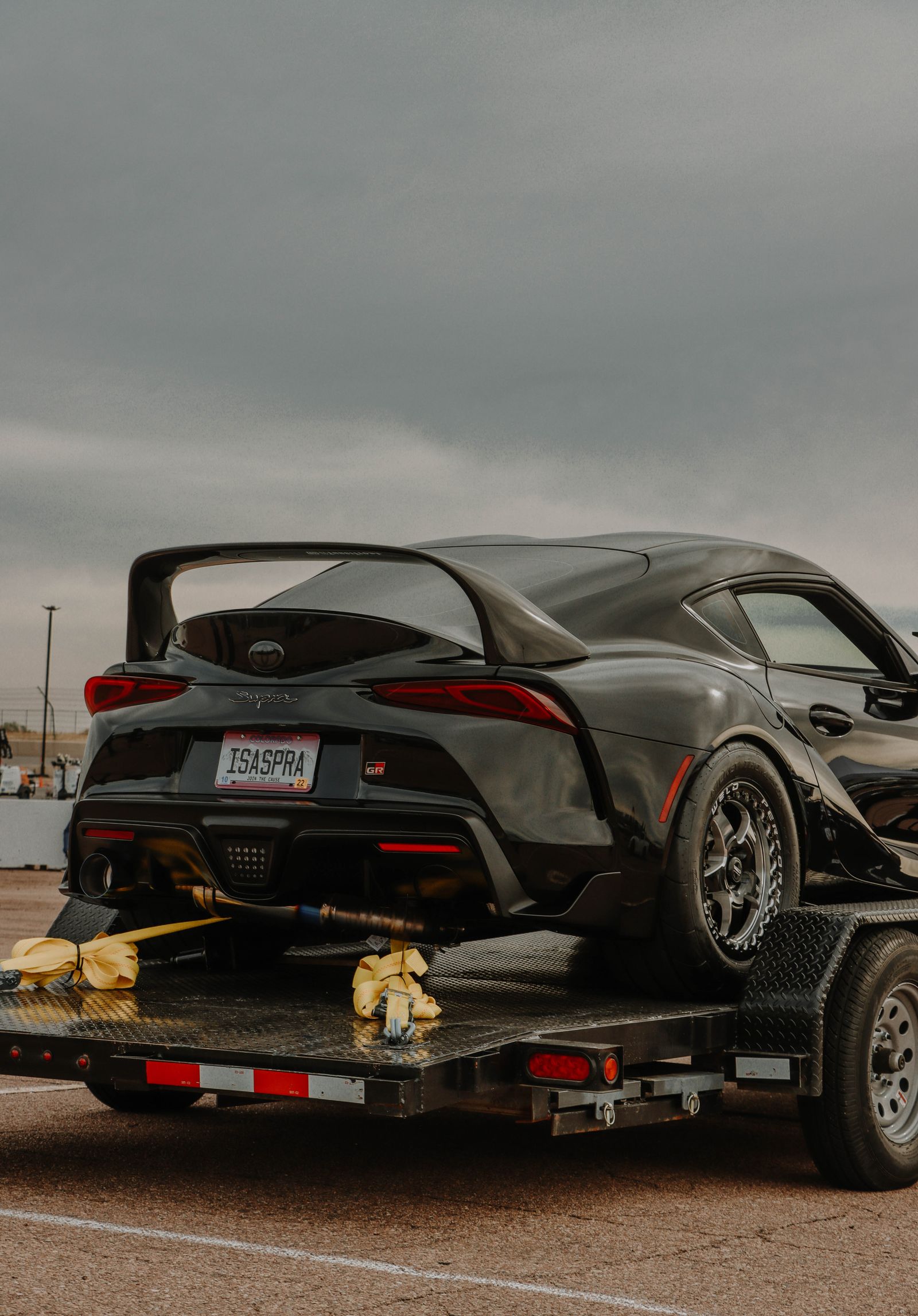
Nashville car transport offers should specify a loading arrangement that fits the assigned equipment and available space. Compare collection duration, local access and the full service scope rather than assuming any curbside stop will work.
Ask about the loading period
Nashville publishes a loading-zone permit category for loading or unloading beyond the time allotted by its Traffic and Parking Commission. Nashville temporary street use and loading-zone permits
Show the operator the proposed address and posted restrictions. If loading needs longer than the allowed period, ask NDOT which approval applies to that operation. Do not assume a booking reserves a space or that an ordinary parking payment authorizes a trailer and ramps.
Reserve enough room for the equipment being offered
Open and enclosed equipment can require different approaches and loading movements. Ask the assigned operator what space the actual truck needs, including ramps or a lift if relevant. A quotation naming an equipment category does not establish that the booked combination fits a particular entrance.

If a time-limited loading area is proposed, discuss the practical loading and inspection duration before relying on it. Keep an alternative in the plan when the expected operation cannot fit within the permission available. Confirm any applicable local requirements with the responsible authority and operator.
If you specifically need a dedicated enclosed movement, compare single-car enclosed transport with the shared service being offered; the label alone does not settle the loading method.
Turn this plan into comparable transport options
Use the actual vehicle, pickup and delivery details, timing and handling needs so every quote starts from the same scope.
Open equipment
Approach and loading clearance
Actual combination acceptedEnclosed equipment
Ramp or lift space
Full movement fits the siteChoose handling before comparing prices
For enclosed auto transport, request details of the loading system and clearance as well as the covered trailer. Explain low bodywork, modifications and whether the car can start, steer and brake. If you prefer open service, obtain an equivalent quote with the same pickup and delivery scope.
A change of trailer or collection site should produce an updated agreement. Ask who pays for any local transfer when the main truck cannot reach the property.
Identify the responsible businesses
- Record the legal name of the booking company and whether it is arranging or performing carriage.
- Obtain the assigned hauler contact and inspection procedure before release.
- Compare total charges, deposit timing and cancellation conditions.
- Make receiving availability part of the requested service.
Keep photos and the signed pickup record for the receiver. Get the damage-reporting procedure in writing rather than relying on an assurance that every possible loss is covered.