

Dayton auto transport works best when vehicle release and receiving arrangements are settled separately from any Ohio title or inspection task. Disclose operating faults before equipment is assigned, even if the car can occasionally start.
For an incoming purchase or move
Ohio BMV’s title guidance identifies an out-of-state VIN inspection. Check the applicable title-office process and document requirements for your vehicle. A driver’s pickup inspection records condition; it is not that owner transaction.
Ask the seller to send required documents through an agreed channel and decide where the car can stay until any remaining steps are complete.
Ohio BMV reference
Describe what the car does on a bad day
A vehicle that starts intermittently presents a different loading question from one that reliably runs. Tell the operator whether it rolls, steers and brakes, and disclose a weak battery or starting fault. Do not promise normal loading based on its best recent attempt.
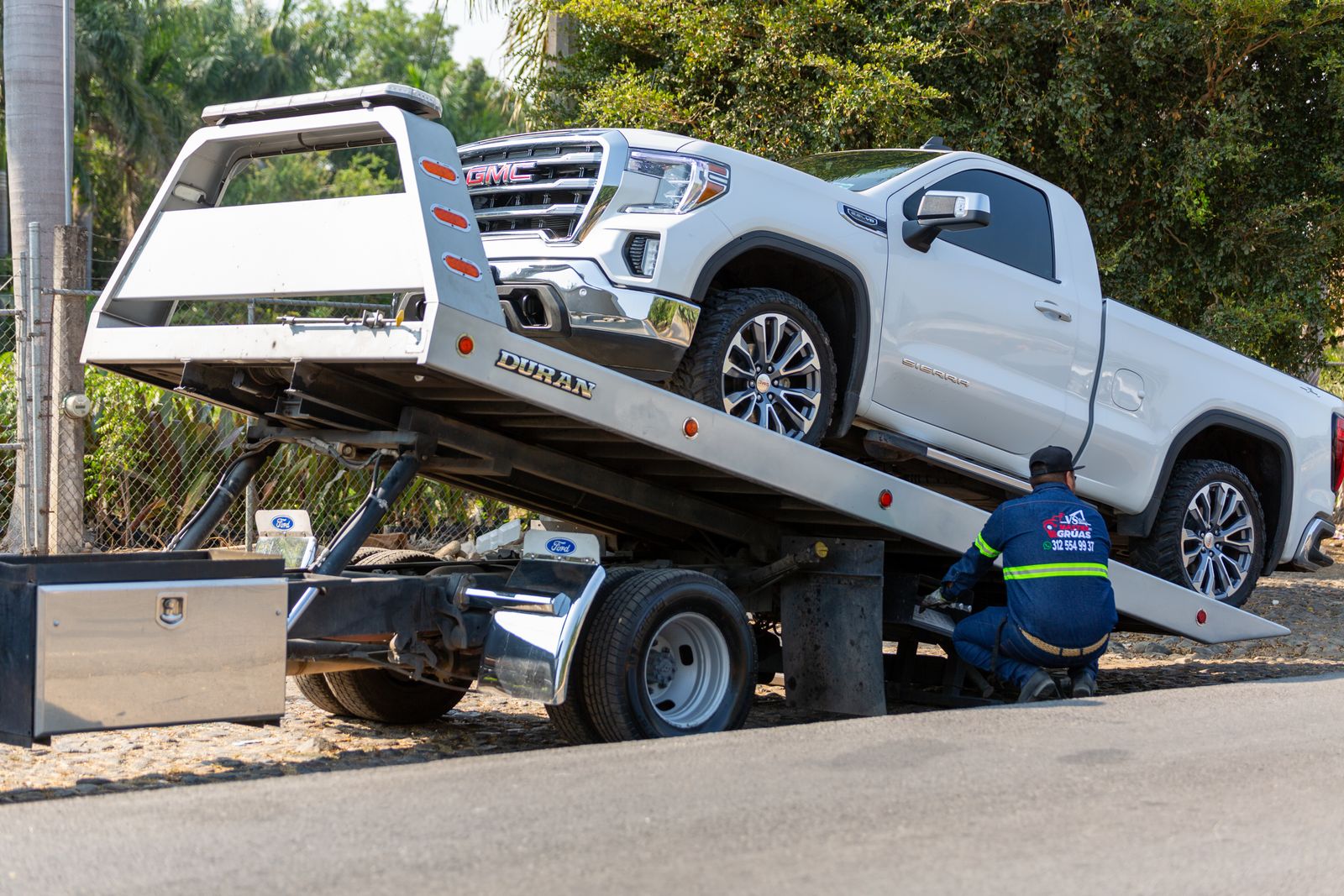
Ask the seller or holding location who can assist with access without improvising unapproved repairs. If the operator changes the loading method or charge after learning the fault, obtain that revision before dispatch. Keep the buyer’s administrative inspection plan separate from the loading assessment.
Reliable runner
Normal operation described
Operator accepts standard loadingIntermittent start
Fault and assistance disclosed
Alternative loading agreedCannot roll safely
Steering and braking limits supplied
Specialist acceptance requiredTurn this plan into comparable transport options
Use the actual vehicle, pickup and delivery details, timing and handling needs so every quote starts from the same scope.
Compare written commitments
Identify the company taking payment and the assigned physical carrier. Ask what the price includes, when it may change and how cancellation or waiting is charged. Keep a condition record that the receiver can compare at arrival.
This guide does not verify a Dayton terminal, provider ranking or available dispatch slot.
Prepare the receiver for a car that may not restart
Ask the carrier to confirm the unloading arrangement as carefully as collection. A Dayton delivery to a driveway does not resolve how an intermittently starting car will be moved after it comes off the truck. The receiver should know whether assistance or a separate onward movement has been agreed, and where the car can remain if it cannot be driven.
Arrange for that receiver to have the pickup condition report and photographs before arrival. Record visible changes during the handoff and ask for the carrier's reporting procedure if something is disputed. Keep transport payment instructions separate from any seller or title-office transaction, and verify who is to receive each amount. This leaves the vehicle movement, condition record and ownership administration as three identifiable tasks rather than one assumed service.