

Little Rock car transport should use a loading plan that accounts for street work and the actual road authority. A construction-related permit is not general permission for an auto transporter to stop or unload at that location.
Separate construction access from vehicle loading
Little Rock identifies barricade permits for contractors working on roads or in the right-of-way and treats state highways separately from city traffic-control responsibility. Little Rock traffic-control responsibilities
If construction affects the collecting address, ask the property controller and contractor to identify the approved access route and any usable loading area. Their work permit is not proof that your transporter can occupy the same lane or alter the barricades. Have dispatch describe its own operation to the responsible road authority if it would obstruct traffic.
For a state-highway frontage, establish the relevant state contact before treating city permission as sufficient. If no compatible stop is available, decide on a lawful alternative and the movement needed to reach it before releasing the vehicle.
Describe the obstruction instead of just reporting road work
Tell the operator whether the problem blocks the approach, removes turning space or occupies the proposed loading area. Each can require a different response. Photographs and the exact street location are more useful than saying that construction is somewhere nearby.
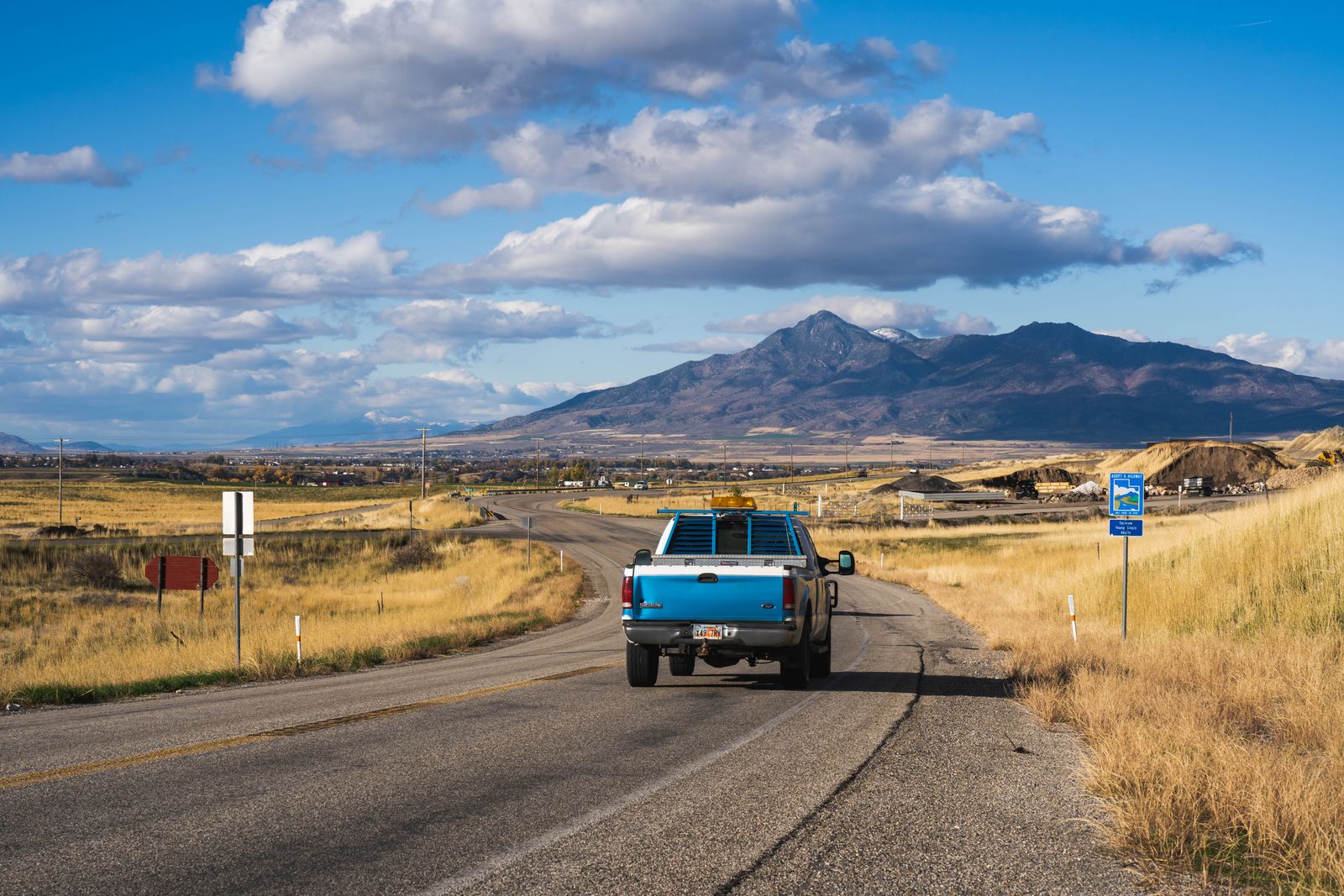
Check who controls the affected road before seeking permission. If the original loading proposal cannot be accepted, ask for a replacement that also works for the releasing person and vehicle. A workable truck route still needs a safe, permitted place to perform the handoff.
Turn this plan into comparable transport options
Use the actual vehicle, pickup and delivery details, timing and handling needs so every quote starts from the same scope.
Approach blocked
Operator evaluates route
Alternate approach acceptedLoading space occupied
Another handoff proposed
Permission and car transfer resolvedGive dispatch more than a street number
Photograph the approach, entrance and loading area; identify roadwork, a gate or a tight turn if present. State whether the car can move from its current position under its own power. If a separate tow or short transfer is needed, name the responsible company and obtain its price.
Ask the property owner about available space and timing. An alternate meeting point should be agreed with the carrier and whoever controls that land before the vehicle is moved there.
Select on the complete job
Supply the opposite endpoint and receiver along with the Little Rock collection details. Compare open and enclosed options using identical vehicle condition and dates. Get the booking company’s identity and the procedure for confirming the collecting carrier.
Read waiting, storage and cancellation terms while you can still choose another arrangement. At release, retain photographs and a signed condition record. Tell the receiver how to inspect, pay any balance and raise a discrepancy. A planned change of location should identify when custody transfers and who pays for the added movement.