
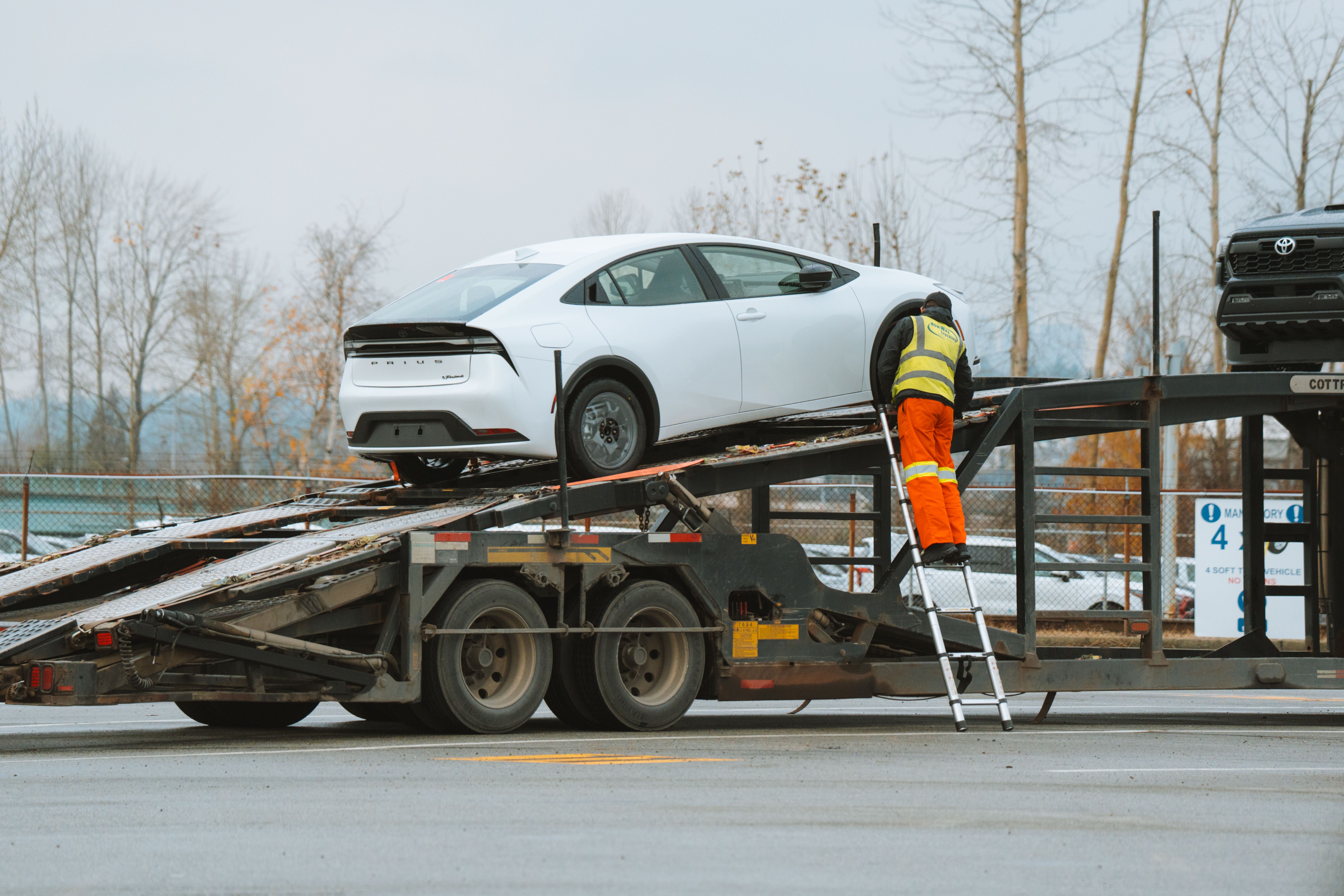
Cheyenne auto transport should be planned using the restrictions relevant to the assigned commercial equipment. A road open to passenger cars does not guarantee transporter access, and an estimated arrival should include a workable delay response.
Ask dispatch which status applies to its truck
WYDOT explains that commercial closure data can include high-profile wind restrictions absent from passenger-vehicle closure data. Use its current road information with the carrier. A road appearing open for a car is not a reason to press a transporter to proceed.
WYDOT reference
Separate a travel decision from your availability decision
The operator must decide whether the truck can travel under the applicable conditions. You still need to decide how long the receiving or releasing person can remain available. Give those limits to dispatch before a delay creates pressure for an unsuitable meeting.
If the new arrival falls outside the agreed availability, choose a revised appointment or authorized representative. Confirm any waiting or storage terms that follow. Do not translate an operator’s tentative update into a guaranteed delivery promise to someone who cannot remain on call.
| Option | Clarify | Acceptance test |
|---|---|---|
| Truck can proceed | Operator confirms its assessment | Attendance reconfirmed |
| Truck must defer | New appointment proposed | Custody and extra costs agreed |
Approve the actual stop
- Provide the complete address and entrance.
- Disclose gates and limited maneuvering space.
- Arrange permission for any alternative property.
- Identify how a nonrunning car will be handled.
The operator must assess loading access separately from highway status. Do not substitute a public roadside stop without an agreed, suitable plan.
Turn this plan into comparable transport options
Use the actual vehicle, pickup and delivery details, timing and handling needs so every quote starts from the same scope.
Compare Cheyenne offers beyond the weather plan
Give bidders the destination, vehicle dimensions and any starting, steering or braking fault, then ask whether the proposed equipment includes the assistance needed to load it. A flexible date does not compensate for a truck that cannot accept the car. Ask for the business taking your order and the physical hauler to be identified separately when different organizations are involved.
Decide who will keep the keys if collection is postponed and who can inspect the car at a revised appointment. If you use a substitute releaser, share the existing condition photographs and obtain the property's acceptance of that person's authority. Request a copy of the pickup record for the destination contact. Keep any revised charge and payment recipient in writing alongside the new date, so a weather-related adjustment does not leave the commercial terms undefined.
Assign a Cheyenne backup person before weather becomes urgent
If you cannot stay available through the full pickup window, appoint someone who can hold the keys, confirm the carrier identity and sign the condition record. Define whether that person may approve a different meeting point or a changed charge. This keeps a weather or road update from forcing an improvised decision while the owner is already traveling.