

Austin auto transport companies should provide a comparable vehicle-movement scope and a workable street-level handoff. Verify the business role separately from the transition between state highways and local streets used by the transporter.
Put the proposed endpoint change beside the price
When one provider quotes your address and another expects an off-site meeting, write down the difference before comparing amounts. Include the car’s local movement, the releasing person’s travel and any special loading help. A lower road-haul charge may leave those tasks with you.
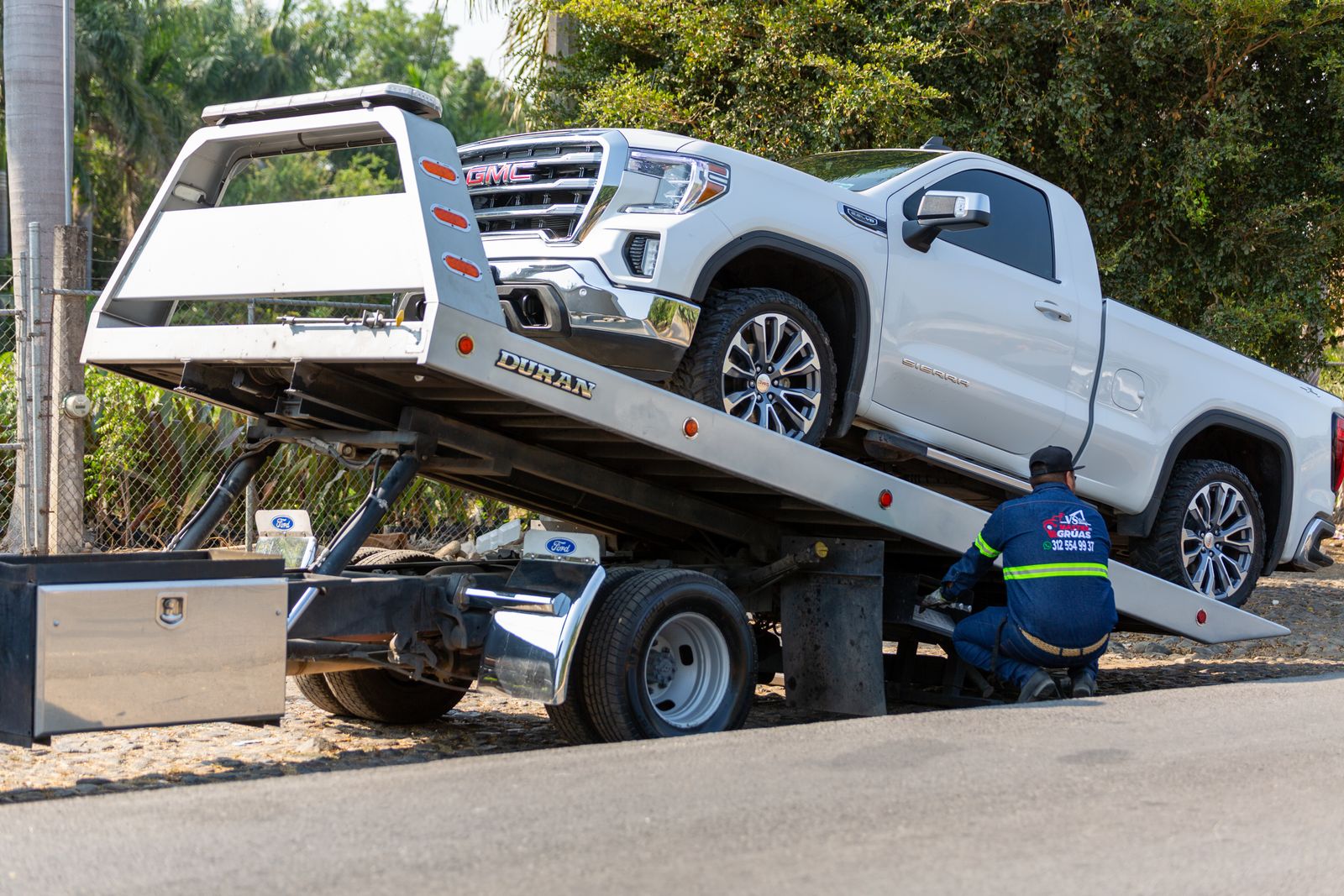
Ask the operator to evaluate the actual approach rather than using a state-highway reference as approval for the final street. If the car is low-clearance or cannot move normally, the alternate location must still support the required loading method.
Use Texas broker roles when the business quoting Austin service will arrange another operator rather than perform the movement.
Main transport
Vehicle and two endpoints
Comparable haul scopeLocal transfer
Driver or recovery assistance
Excluded work pricedAttendance
Releaser and receiver availability
Meeting can be completedAustin pickup planning must distinguish state highways from local streets
The City of Austin notes that TxDOT manages major state and interstate facilities in the city, including I-35, MoPac, SH 71, Loop 360 and US 183, while the city manages many local street functions. A quote should identify the real handoff address so a provider can plan the transition from the regional network to the local street.
Turn this plan into comparable transport options
Use the actual vehicle, pickup and delivery details, timing and handling needs so every quote starts from the same scope.
Do not assume a central Austin address is automatically suitable for a large carrier. Confirm the legal and practical handoff location, then compare providers using that same location and the same vehicle condition.
Check that the new Austin handoff is accepted
Once the meeting point is settled, send the amended details to both the arranging business and the operator. Ask for confirmation that the price, equipment and pickup window still describe the same job. Use the linked FMCSA guidance to check the interstate company's role; a salesperson's agreement to an address change is not a substitute for the collecting operator's acceptance.
Identify who will accompany the car to the new point and inspect it there. If a seller, friend or recovery operator moves it first, request a record of that handover too. Give the destination receiver the pickup report and photographs, plus the contact for reporting a condition concern. Before paying, resolve who receives each amount and how cancellation or a failed collection is handled. This makes the off-site option comparable in responsibilities as well as price.