
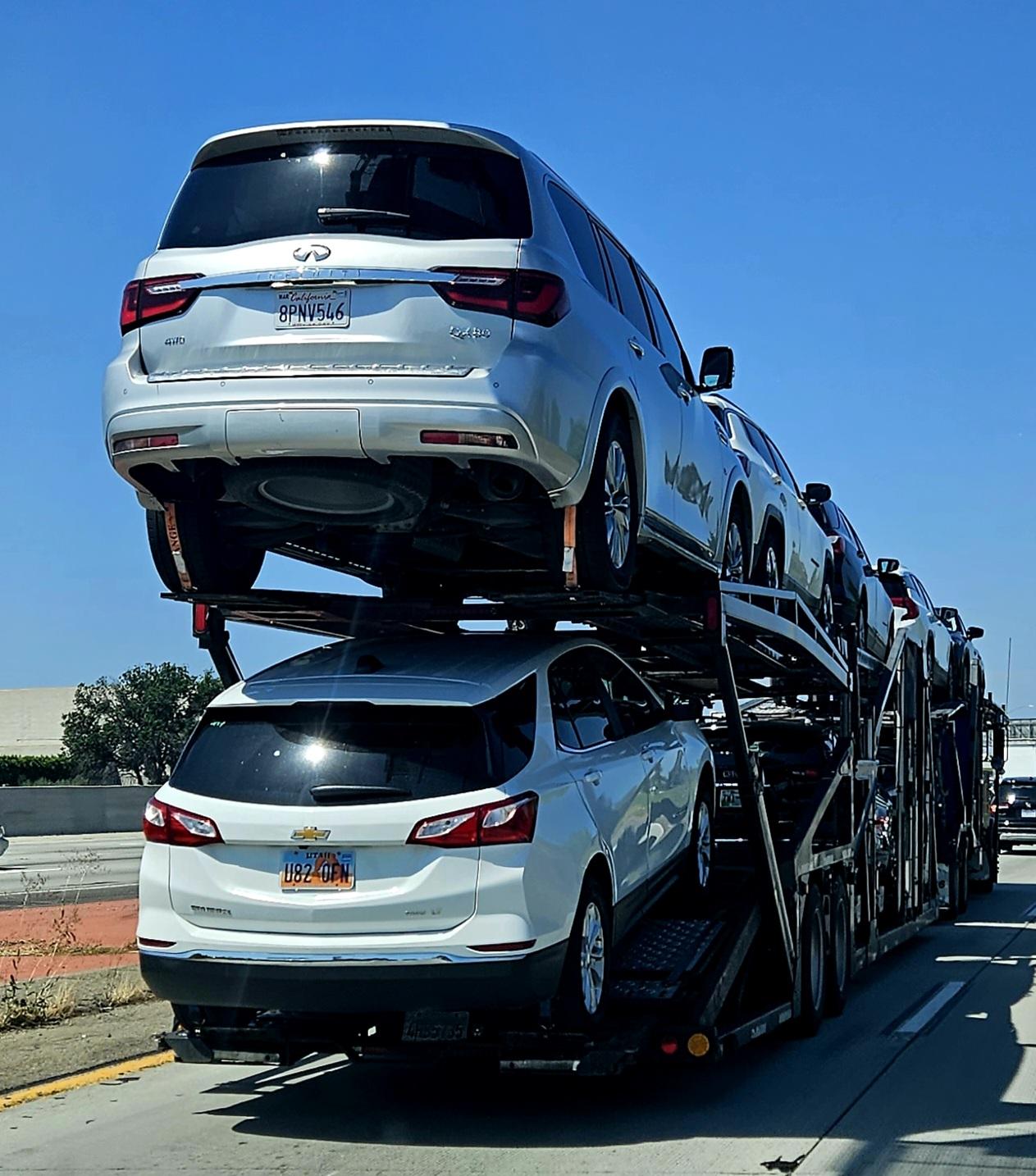
For Iowa car shipping, classify the actual movement and verify the authority relevant to it. Compare companies on the same endpoints, vehicle condition and assignment terms; an interstate identifier alone does not settle every Iowa-only operation.
Check the operation behind the company name
Iowa DOT says an interstate USDOT number does not replace the intrastate operating authority needed for Iowa loads. Iowa DOT motor-carrier rules and authority guidance
Ask the carrying business to identify its legal name and the authority applicable to your actual movement. Use Iowa DOT or FMCSA records as appropriate. If a broker arranges the job, distinguish its role from the carrier’s; do not rely solely on a number displayed on an advertising page.
Confirm whether the offered dates depend on finding a carrier. Ask when you receive dispatch details and what happens to a deposit if the proposed arrangement is not accepted.
Ask the carrier to explain the scope of its credential
Supply both endpoints before requesting an authority check. Ask the carrying business which record applies to that movement and reconcile the legal name with the proposed agreement. If a broker is involved, keep its arranging role distinct from the carrier’s operating responsibility.

After that identity check, test the practical offer independently. Does the equipment accept the vehicle, can the release site accommodate it, and are any local transfers included? A credential can answer an authority question without proving that the particular pickup is ready to perform.
If an Iowa business base is itself a requirement, companies operating out of Iowa separates that identity question from the shipment’s route.
Turn this plan into comparable transport options
Use the actual vehicle, pickup and delivery details, timing and handling needs so every quote starts from the same scope.
Trip definition
Both endpoints supplied
Movement classifiedAuthority evidence
Applicable record and legal identity
Role verifiedExecution evidence
Vehicle and access accepted
Pickup can proceedCompare the same Iowa shipment
Provide the two street addresses, earliest ready date and permitted collection hours. Describe a rural approach, gate, narrow street or other constraint when it exists. Ask whether the quoted total includes a different loading point or local transfer.
Disclose the vehicle’s dimensions and mechanical condition, including individual rolling, steering and braking problems. Get low-clearance or disabled handling accepted. Compare enclosure only after the equipment and endpoints are equivalent.
| Written term | Decision it should settle |
|---|---|
| Total and payment stages | Who receives each payment and when |
| Pickup and delivery windows | How much availability both contacts need |
| Waiting or cancellation | What happens if readiness changes |
| Coverage and reporting | Who handles a condition dispute |
Complete the selected arrangement
Confirm sender authority, keys and any seller release conditions. Follow the carrier’s preparation instructions and document the car’s condition before it leaves.
Have the recipient receive the collection report and inspect against it at delivery. Record discrepancies, retain the receipt and keep the accepted price and any amendments. If the carrier or endpoint changes, check those details again instead of assuming the original comparison still applies.