

Vermont car shipping should be compared using the exact access road, vehicle condition and agreed handoff. Ask who arranges or performs the haul and what happens if the truck cannot reach the property; a statewide service page does not prove a nearby terminal.
Test the rural or village approach
Give bidders the exact Vermont address and say whether the access road, driveway, bridge or village street limits a large transporter. Do not promise a roadside handoff on property you do not control. If the carrier proposes a meeting point, decide who moves the car there and what happens if weather changes that plan.
Choose an alternate site before it becomes urgent
Describe the private approach in practical terms: where the car sits, who controls the entrance and what space the owner says is available. Let the transporter assess its equipment against those facts. Do not choose a roadside stop solely because it shortens the car’s local journey.
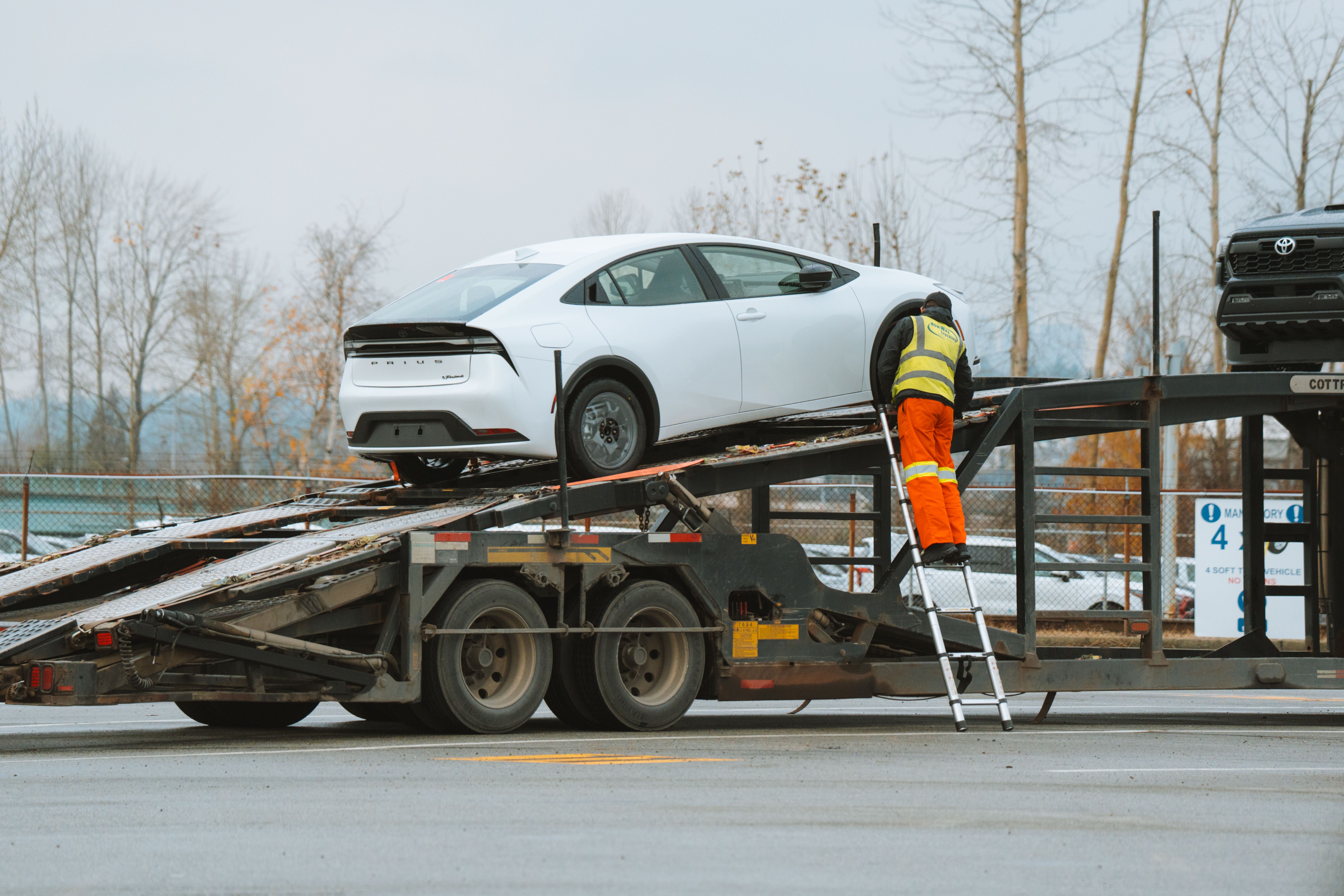
If property collection is unsuitable, request a specific alternative with permission to load. Decide whether you can bring a running car there or need additional assistance. Ask who receives payment for that connection and where the carrier’s condition inspection occurs. The same question applies at delivery if the receiver cannot drive away from the unloading point.
Turn this plan into comparable transport options
Use the actual vehicle, pickup and delivery details, timing and handling needs so every quote starts from the same scope.
Read the deposit and cancellation conditions against your real availability. If your releasing person will leave before a truck is assigned, appoint a replacement who can provide the keys and sign the record. Give the destination contact copies of that evidence and instructions for recording a discrepancy. This keeps the booking workable even when the property, date or attendee changes.
| Option | Clarify | Acceptance test |
|---|---|---|
| Property service | Truck accepts the approach | No extra connection assumed |
| Meeting-point service | Permission and local movement | Full cost and attendance known |
Match business identity to the role
FMCSA distinguishes the broker that arranges automobile transportation from the transporter that physically moves it. FMCSA automobile-transporter advisory
Ask whether a bidder is quoting its own haul or arranging a later carrier. Check applicable identity and authority records for the movement, then put the assigned hauler, vehicle condition and pickup window in the booking. A nationwide service page is not evidence of a Vermont terminal.
Make the price durable
Compare the same destination, car condition and access plan in each offer. Note how a changed dispatch day, meeting place, storage interval or inoperable car affects payment. Keep photos and the signed condition record. If a bidder cannot describe the feasible handoff, a low quote is not yet a complete service.