
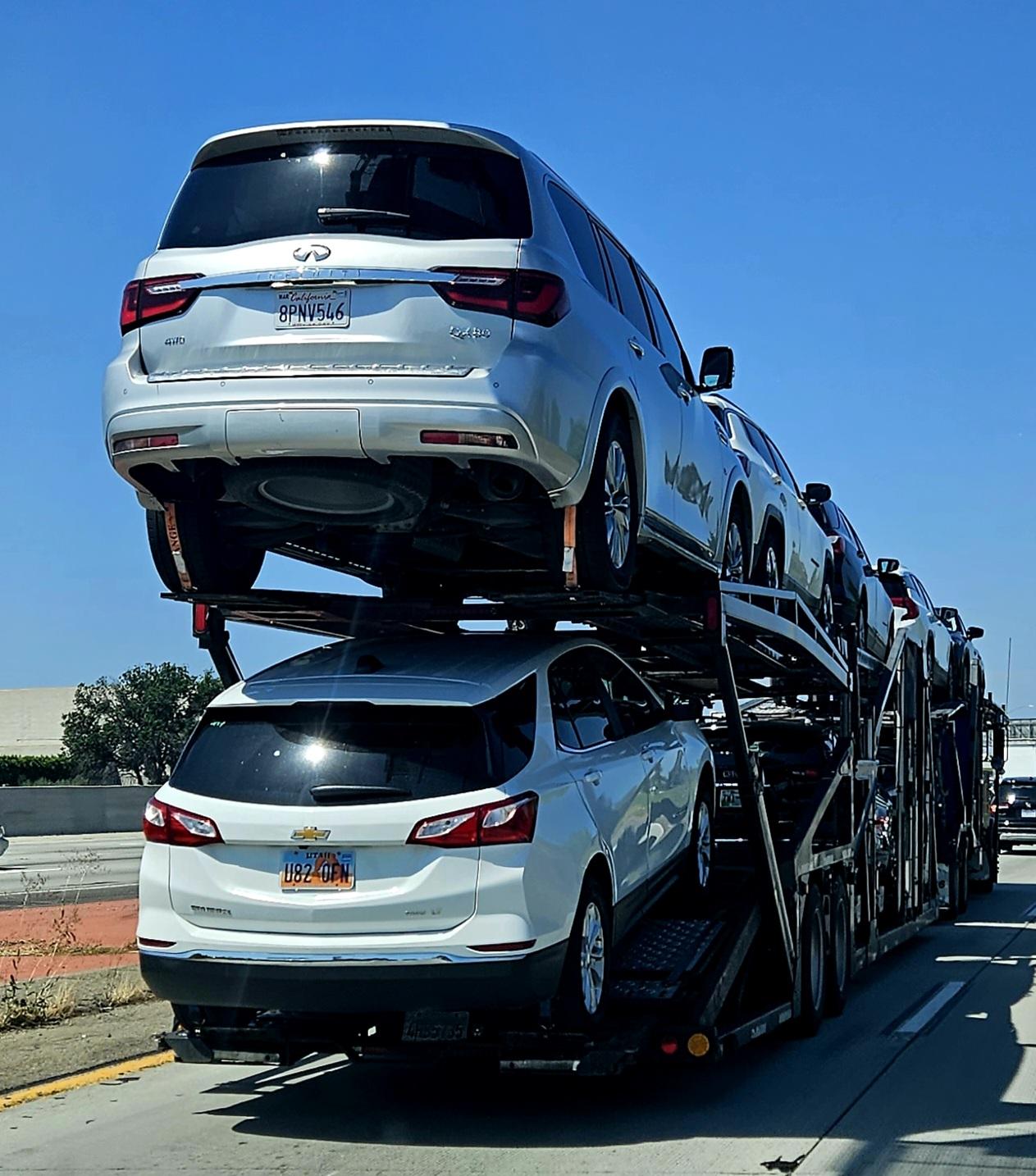
Washington, DC car transport needs a workable loading location as well as a named carrier. Coordinate private building access and any public-space permission separately, then compare the full cost of waiting, transfer and a changed arrival window.
Find an allowed place for the hauler
Describe the block, building loading area and any garage height limit. Ask the transporter what truck it proposes and whether a private loading dock is available. If public curb space is needed, the business and property contact should determine the applicable DC permissions; a household parking arrangement or a vacant curb is not automatic permission for a car carrier. Agree where the car can wait lawfully until pickup.
DDOT’s permit system lists reserved parking for moving trucks among public-space permits. tops.ddot.dc.gov That example does not automatically authorize a car carrier of any size or a particular operation; have the provider describe its vehicle and proposed use to the relevant office. Separate any building dock reservation from public curb authorization, and keep the approved location and hours with the dispatch instructions.
Synchronize two permissions with one truck
A building contact may approve its dock while the truck still cannot use the approach or nearby curb as proposed. Give dispatch the approved hours and the actual entrance, then ask which remaining access questions must be resolved. Keep the city inquiry and the property’s instruction together without treating one as a substitute for the other.
Turn this plan into comparable transport options
Use the actual vehicle, pickup and delivery details, timing and handling needs so every quote starts from the same scope.

Ask who will act if the assigned operator arrives outside the accepted window. Rescheduling, storage and another loading site are different responses with different custody and cost consequences. The receiving or releasing person should know which option has been authorized. If an alternative means moving the car out of a garage, establish whether it can make that movement and who performs it before redirecting the truck.
Private property
Dock or garage approval
Owner’s hours and accessPublic space
Actual truck operation described
Applicable permission checkedDispatch change
Timing no longer aligned
Authorized alternative recordedCompare verified roles and actual coverage
FMCSA distinguishes brokers, which arrange automobile shipments, from transporters, which move the vehicles. FMCSA automobile-transporter advisory
Get the legal company name, relevant identifiers and assigned hauler. A DC phone number does not prove a DC fleet or a particular slot. Ask how a schedule shift affects the building reservation and who can authorize an alternative loading point.
Put the access work into the total
Give every bidder the same vehicle condition, origin, destination and access facts. Compare the price and responsibility for waiting, transfer, cancellation and damage documentation. Have a release contact and receiver ready to photograph and sign at the two handoffs. Choose a workable street or private-property plan before paying a deposit.