

Davie auto transport needs approval from the property contact and the operator for the proposed loading arrangement. Disclose operating limitations and accepted contents, then compare the response to a changed arrival or an unavailable receiver.
Ask the person who manages access
For a gated or managed property, obtain its vehicle-delivery instructions and hours. Tell the operator about entrances or waiting restrictions supplied by that contact. Do not infer that ordinary visitor parking permits a transporter to load.
If another location is proposed, confirm permission there and who will move the car between it and the property. This matters especially if the car cannot be driven.
Resolve a garage-to-truck gap
A carrier may accept the car yet be unable to reach the space where it is parked. Ask who will bring it through the garage or gate to the loading position. If it will not start or cannot roll safely, describe that problem before agreeing to an off-site handoff.
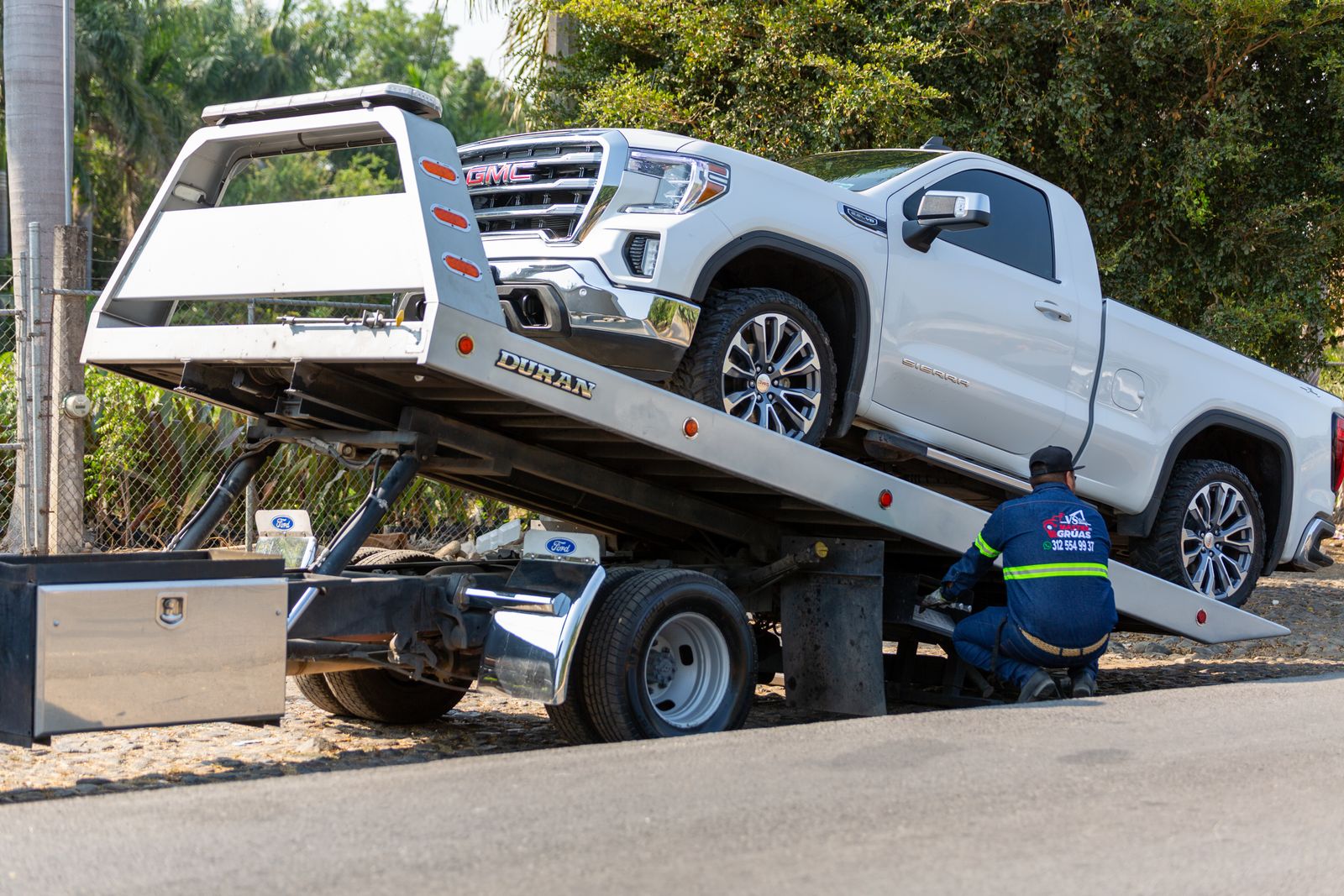
Have any local assistance named and priced in the scope, including the point where the carrier records condition. A friend moving the car, a property employee opening a gate and an operator providing recovery are different roles. Tell dispatch which support has actually been agreed. This avoids a collection plan that depends on someone at the property improvising equipment or accepting responsibility they never agreed to take.
Turn this plan into comparable transport options
Use the actual vehicle, pickup and delivery details, timing and handling needs so every quote starts from the same scope.
Drivable connection
Authorized person can move car
Meeting point acceptedAssisted connection
Fault and access described
Equipment and responsibility agreedState the vehicle condition before the price is fixed
Provide model, unusual dimensions and mechanical problems. Ask for the accepted loading method and disclose any contents you want to leave inside. Record which loose items the service actually accepts rather than assuming they are included.
Keep the seller and carrier roles visible
FMCSA’s automobile-transport consumer guidance is a starting point for checking the businesses involved. Ask the seller how the operating carrier will be identified and who handles a changed address or failed collection.
Get the full charge and payment schedule in writing. A Davie service-area claim does not independently establish local staff, capacity or a completed carrier assignment.
FMCSA reference
Prepare for a changed arrival window
Name a backup recipient and ask about waiting or storage charges if nobody can meet the truck. Give that person the departure condition record and a way to document differences at delivery. Review cancellation and reporting terms before you commit, while changing providers is still practical.