
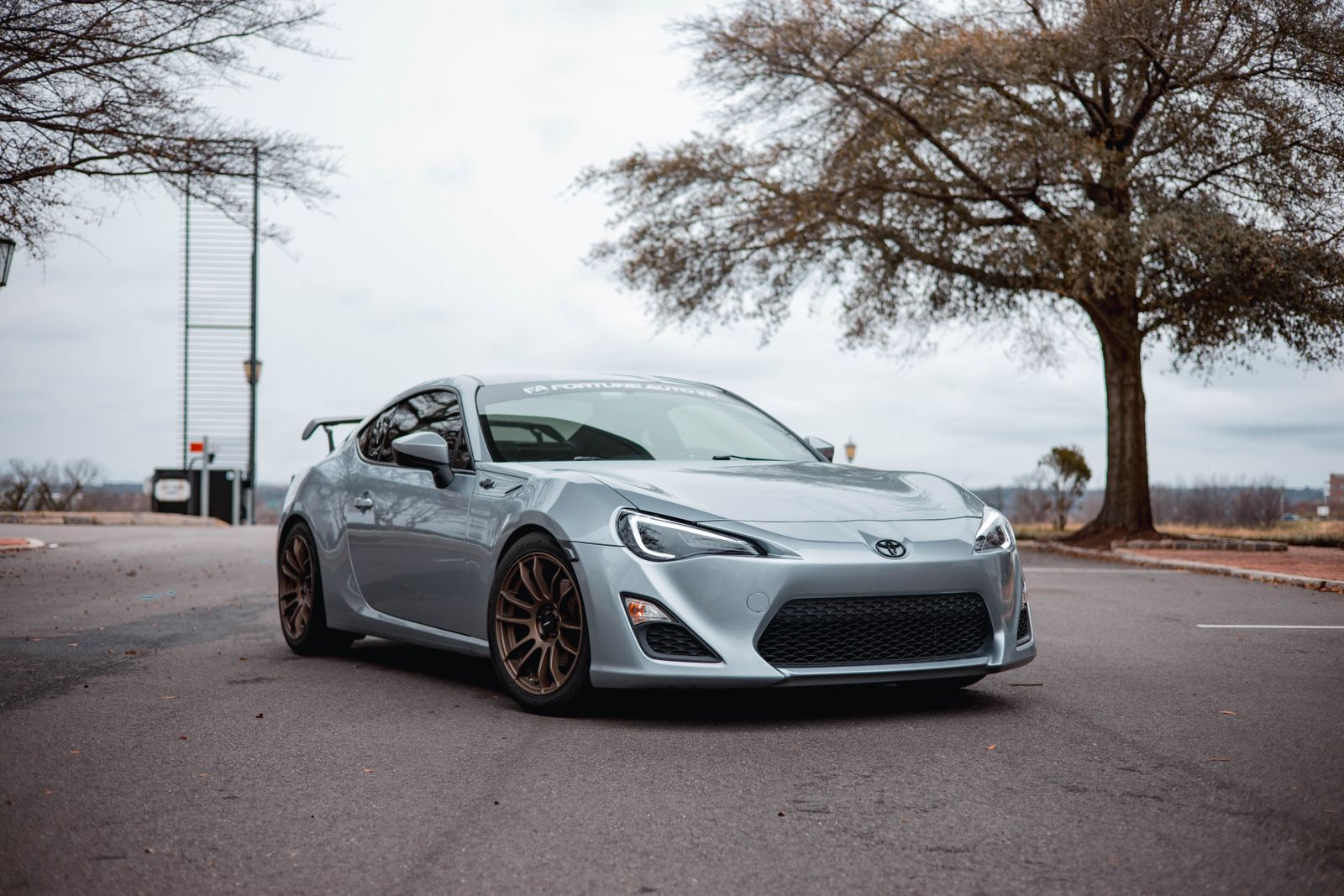
Exotic auto transport in Florida should be specified around the particular car’s clearance, controls and custody needs. Enclosed equipment is only one part of the decision; request an accepted loading method, substitution terms and coverage that can be evaluated for the vehicle.
Tell the estimator what makes this car difficult
Supply clearance measurements and photographs of vulnerable bodywork, along with any modifications or manufacturer transport instructions. Describe whether the car can start, steer and brake normally. A low splitter, a disabled lift system and a nonrunning engine create different loading problems.
If collection is at a showroom, storage building or private garage, have its manager accept the truck access and appointment. Ask whether the provider expects you to bring the car outside and who is permitted to drive it during loading.
Make a replacement truck earn the same acceptance
If the named equipment becomes unavailable, ask the replacement operator to review the measurements and instructions again. An enclosed body does not make two loading systems interchangeable. State which changes need your approval before collection.
Give the releaser authority to pause if the arriving arrangement differs from the accepted proposal. They should have the relevant photographs, operating instructions and dispatch contact, not just the appointment time. This allows an equipment discrepancy to be resolved before the car is moved.
If you are considering a dedicated enclosed configuration, the single-car equipment guide develops the dimension and loading-fit questions for that proposal.
Original equipment
Measured clearance accepted
Handling plan retainedProposed substitute
Same requirements reassessed
Owner approves differencesAn enclosed offer still needs operational detail
Request the actual loading arrangement and how it accommodates the car. Ask whether the car stays on one truck, enters storage or changes hands, and whether exposure occurs during those stages. Have substitutions subject to an agreed approval process.
Turn this plan into comparable transport options
Use the actual vehicle, pickup and delivery details, timing and handling needs so every quote starts from the same scope.
| Your priority | Useful evidence in the offer |
|---|---|
| Protect low bodywork | A loading method accepted for measured clearance |
| Limit handling | Named custody stages and transfer policy |
| Meet an appointment | Written date obligations and delay remedy |
| Protect value | Applicable coverage terms, exclusions and deductible |
Verify identity without confusing it with endorsement
FMCSA’s automobile-transporter advisory provides checks for transport businesses and distinguishes arranging a move from carrying it. Use the legal name and identifiers from the written proposal. An attractive website or Florida service-area page is not a substitute for identifying the contracted parties. FMCSA
Ask who will handle a claim, and obtain the policy information relevant to the car’s declared value. Registration and an insurance document do not demonstrate that a particular driver understands your car’s controls. Keep that handling question separate.
Make the handover reproducible
Photograph the vehicle in good light, including low panels and wheels, and inventory keys and accepted accessories. Give both the driver and recipient any special operating instructions. Arrange an inspection location at destination with sufficient time to compare condition.
For a sale, workshop delivery or seasonal move, identify who can approve a schedule change. Keep price changes and equipment promises in the order. Choose the company whose answers remain specific when you ask about the car and the actual Florida pickup site.