
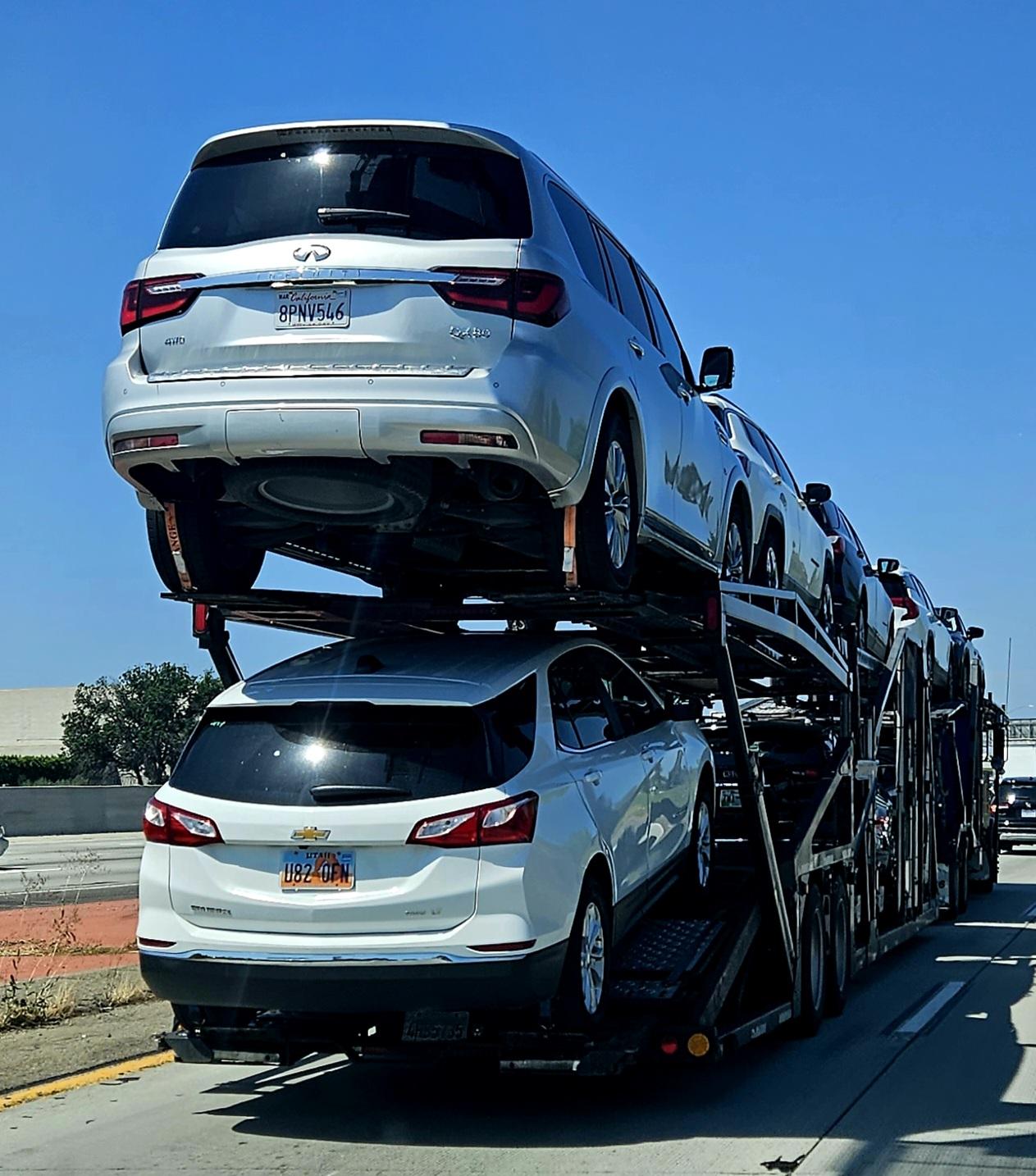
Grants Pass auto transport should distinguish current streets and crossings from future corridor proposals. Have the carrier assess the actual approach, then agree the local connection and both condition records if property loading is not workable.
Use the right closure information
Grants Pass publishes local street-closure notices and directs readers to ODOT for state-highway closures. Grants Pass local street closures
If a notice affects the collection block, send it to dispatch with the property entrance. If the concern is on the highway approach, check the state information rather than assuming the city’s list covers it. Archived work notices should not be treated as active restrictions.
Check a meeting proposal against the road that exists
Ask dispatch for a specific accepted loading place and confirm which side of the river it is on. Do not arrange your car’s movement using a future crossing shown in a planning document. The local connection needs a route and permission that work for the present appointment.
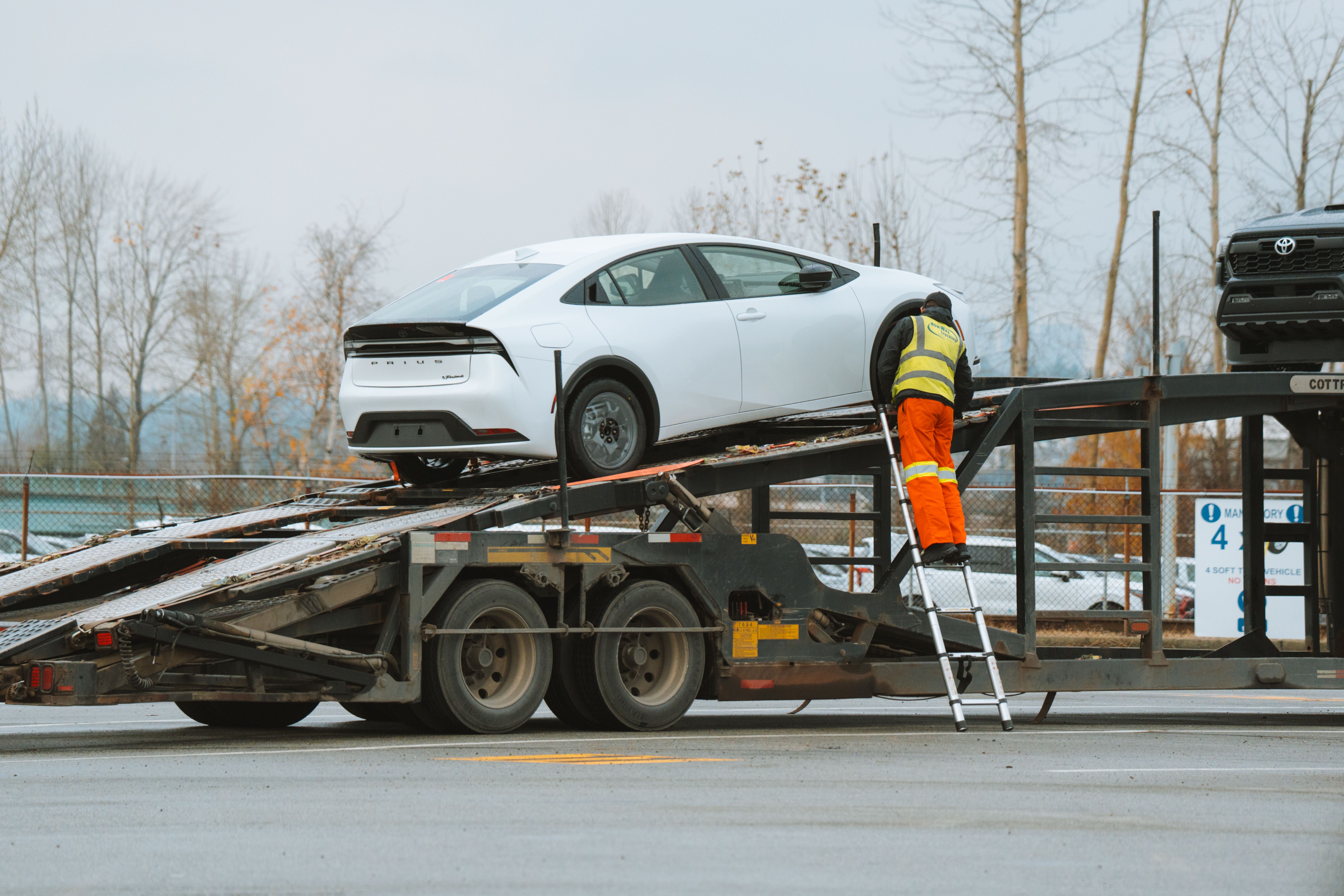
If you cannot drive the car to the chosen point, request assistance and state where responsibility begins. Give the releaser the same final instructions used by the carrier. This avoids a mismatch in which the truck has a workable stop but the car and its keys remain on the wrong side of an unplanned connection.
Current property
Actual side and entrance
Accurate originApproved connection
Existing route and permission
Car reaches truckCarrier handoff
Releaser attends
Record and keys exchangedDo not route through a proposed connection
The city identifies U.S. 199 as a freight route linking I-5 with the southern Oregon coast. Its corridor plan discusses a possible future Rogue River bridge; that proposal is not an existing crossing to use for collection. Grants Pass U.S. 199 corridor context
Turn this plan into comparable transport options
Use the actual vehicle, pickup and delivery details, timing and handling needs so every quote starts from the same scope.
Explain which side of the river the car is on and whether the property entrance differs from the postal address. A route shown in a future plan is not a shortcut for today’s carrier. The driver should confirm the actual crossing and approach it can use.
Make the last movement part of the service
Describe slopes, tight turns, gates and available space for ramps. If the truck cannot use the property, choose a permitted alternative with the owner’s agreement. Decide who moves the car there and how a disabled vehicle would make that trip.
- If the car cannot be driven to an agreed meeting point, describe the fault before pricing that extra movement.
- Provide dimensions and modifications that affect trailer fit.
- Compare open and enclosed offers using the same handoffs.
- Have keys and release authorization with an available sender.
Follow the selected operator’s preparation requirements rather than assuming a universal fuel or belongings allowance.
Keep the price and receipt clear
Ask for the complete amount payable, deposit conditions, balance method and any waiting, storage or cancellation charge. Establish who arranges the movement and who physically carries the vehicle. Request coverage and damage-reporting information before release.
Photograph the car and keep the pickup condition report. Share it with the receiver, confirm delivery access and allow an inspection before signing the receipt. If dispatch changes the date or location, obtain agreement from both handoff contacts before relying on the new plan.