
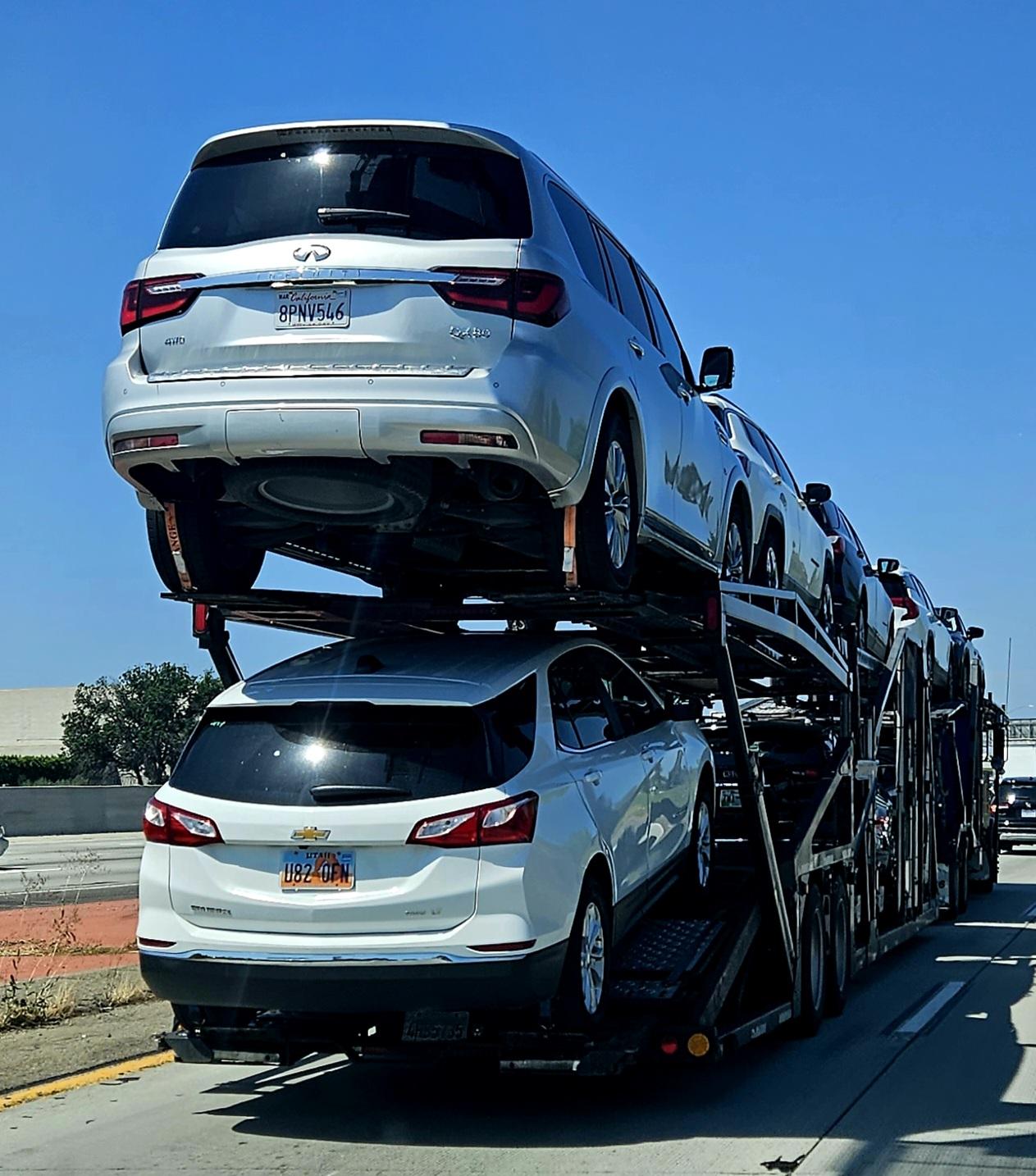
Hayward auto transport should match the assigned truck and car to the proposed approach and loading space. Keep route or permit questions separate from property permission, and compare the full scope after any equipment or vehicle modification changes.
Have dispatch apply the rules to its equipment
Hayward publishes truck-route information and transportation-permit conditions for qualifying vehicles and loads, including extralegal-load movements. Hayward truck routes and transportation permits
Send the physical address and entrance to dispatch. Ask it to check current routes and any approval its loaded equipment needs. Do not assume that every auto shipment requires an extralegal permit, or that a permit for another truck authorizes this movement.
A planning map can include proposed roads. Use the city’s current truck information and the driver’s assessment rather than directing the vehicle through an unverified connection.
Update measurements when the quoted vehicle changes
Tell the arranger if accessories, suspension work or another modification changes the information used for the quote. Ask the performing carrier to accept the revised dimensions and loading limitations. Describing the same model is not enough if the actual car no longer matches the original request.
Request confirmation of the equipment, access assessment and total after that update. If a different truck is proposed, ask which requirements it has accepted rather than assuming a general permit statement covers the substitution. Send the final vehicle instructions to the releaser so the pickup is evaluated against the revised agreement.
Vehicle changes
Dimensions and limitations updated
Carrier reassesses fitOffer revised
Equipment and access accepted
Current scope recordedTurn this plan into comparable transport options
Use the actual vehicle, pickup and delivery details, timing and handling needs so every quote starts from the same scope.
Resolve the last turn and the loading area
Photograph tight turns, slopes and overhead obstacles. Describe gate hours and identify a person who can provide access. Obtain permission for ramps and loading at any private alternative.
If the car must move to another site, specify who does that work and include its cost. A car that will not roll, steer or brake needs a different plan from one whose engine simply will not start. Have the carrier accept the actual condition before assignment.
Compare the complete accepted move
Provide dimensions with modifications included and flag low clearance. Compare open and enclosed carriage using the same endpoints and available dates. Ask what happens if dispatch proposes different equipment after booking.
Get the full amount, payment stages, cancellation rules and any waiting or storage charges. Identify the arranging business and carrying company, and request coverage and damage-reporting details. A quote alone does not confirm a truck is booked.
Clear seller release requirements and have keys with an authorized sender. Follow preparation instructions, photograph the vehicle and retain the pickup report. Send the record to the recipient, who should inspect and note discrepancies before completing delivery paperwork.
Keep the agreed loading location in the written scope so an access change can be evaluated before it creates an extra movement or charge.