

Huntsville auto transport should arrange a lawful holding and loading place for the vehicle’s actual condition. A disabled car may need assistance before the long-distance truck can collect it; compare that connection, custody and total charge explicitly.
Keep waiting separate from loading
Huntsville identifies overweight-truck parking and inoperative vehicles on the right of way among its code-enforcement matters. Huntsville code-enforcement scope
Do not move a disabled car onto the street simply to make it easier for a transporter to reach. Ask the property holder and dispatch for a permitted plan that covers both waiting and the actual loading operation.
Provide photographs of the approach, overhead obstructions and proposed ramp area. For an apartment, workplace or controlled property, obtain access permission and name the person who can open it. If the assigned truck needs a different location, agree who transfers the car and whether extra equipment is required.
Resolve the gap between private holding and carrier loading
Describe whether the car can start, roll, steer and brake, and tell the operator where it is currently held. Ask whether its equipment can reach and load it there. If another service is needed to bring it to the transporter, name the party arranging that movement and the point where custody changes.
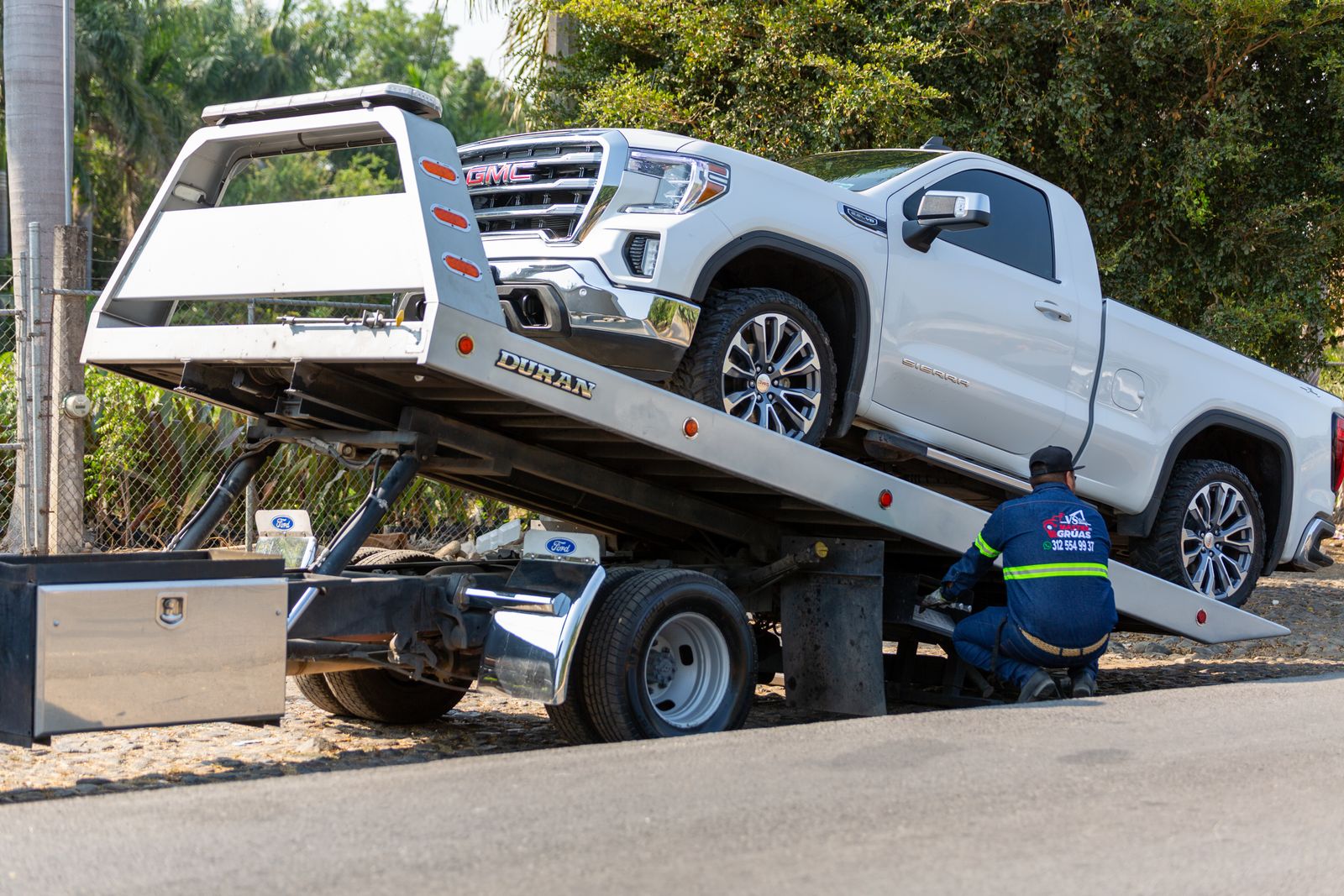
Do not promise to place the car in a roadway as a workaround. Ask the property controller and operators to agree an executable sequence. Send the receiver the same limitations so unloading does not leave another unresolved local movement. The quote should cover the actual path from holding to delivery, not only the highway portion.
Turn this plan into comparable transport options
Use the actual vehicle, pickup and delivery details, timing and handling needs so every quote starts from the same scope.
Current holding
Position and faults disclosed
Recovery need assessedCarrier loading
Assistance and custody agreed
Transport scope completeDescribe what the vehicle can actually do
Report starting, steering, braking and rolling separately. Include flat tires, locked wheels, missing keys, fluid leaks, body modifications and low clearance where relevant. A statement that the car is “not running” leaves important handling questions unanswered.
Ask the carrier to accept the disclosed condition and method before assignment. If repairs change that condition, send an update. Compare open and enclosed options on handling requirements as well as exposure; neither description alone guarantees suitable loading equipment.
Clear payment or release conditions with a dealer, workshop or private seller. Keep keys with an authorized sender who can remain available if the window changes.
Agree the service from release to receipt
Obtain a written total for the two accepted points, including any special handling or local transfer. Check deposit, balance, cancellation and waiting terms. Confirm whether the dates are estimates or contractual appointments.
Identify the carrier, any planned transfer and the applicable coverage and reporting process. Follow its preparation instructions and create a photographic condition record before collection.
Send the pickup report to the destination contact. Have that person compare condition at receipt and record discrepancies before completing delivery paperwork. Keep the final order and both reports together.