
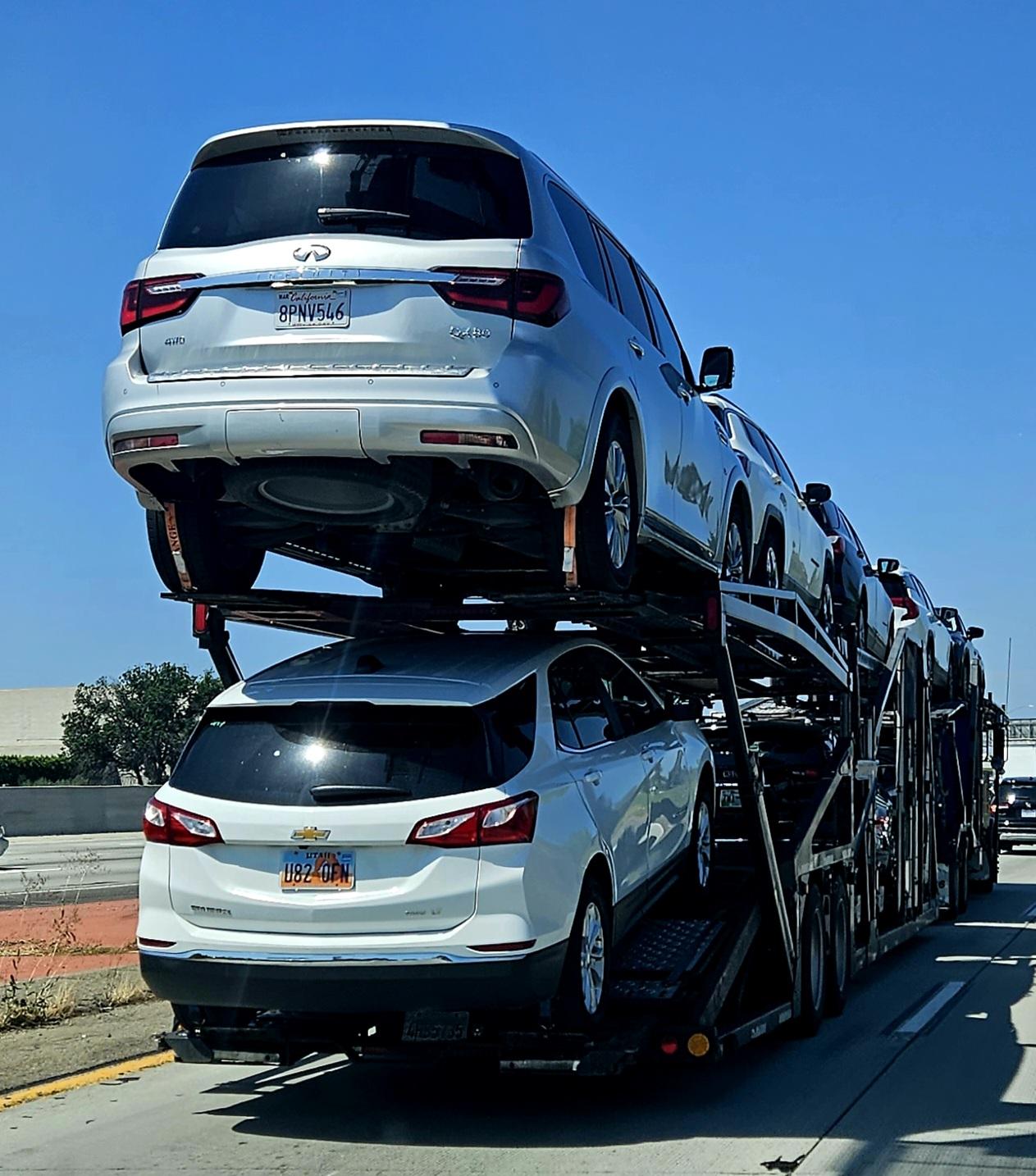
Corona auto transport should separate a seller’s release readiness from the buyer’s ability to use the car after delivery. Compare vehicle handling, carrier responsibility and receiving arrangements alongside any outstanding ownership or registration work.
For a newly purchased vehicle
Ask the seller to confirm payment clearance, keys, collection authorization and the contact available when the transporter calls. Keep ownership documents on their own tracked path. California DMV provides a distinct process for registering an out-of-state vehicle; transporting it does not complete that process.
If Corona is the delivery end of an out-of-state purchase, review the DMV guidance before assuming the car can immediately be driven away.
California DMV reference
Accept delivery without assuming an immediate drive away
Ask the receiver where the car can remain if paperwork or a mechanical issue prevents ordinary use after unloading. Have the transporter accept that location and describe any assistance needed to place the car there. Delivery to the buyer does not itself complete a separate administrative transaction.
At origin, tell the seller who is expected to collect and which conditions must be satisfied before release. If documents are sent through another channel, track that process independently and avoid leaving irreplaceable paperwork in an assumed carrier workflow. Compare payment and cancellation terms against the actual readiness date, then retain condition records so ownership questions do not obscure what happened during transport.
Turn this plan into comparable transport options
Use the actual vehicle, pickup and delivery details, timing and handling needs so every quote starts from the same scope.
Seller releases
Required conditions complete
Carrier receives carBuyer receives
Holding and assistance accepted
Separate paperwork continuesShow the driver the actual collection problem
Explain whether the vehicle is in a garage, behind a gate or at a business with appointment-only release. Describe obstacles and send useful photographs if requested. Let the operator decide whether its equipment fits and whether a permitted nearby handoff is necessary.
If the vehicle cannot move under its own power, get agreement on how it will reach the loading equipment. A generic running-car quote may not describe that work.
Ask what the handling price includes
- Chosen open or enclosed service and any special clearance needs.
- Collection and destination addresses, including accepted alternatives.
- Loading help, waiting and failed-pickup charges.
- Instructions for alarm, keys and vehicle contents.
Keep authority and payment clear
Identify the contracting business and the actual operator when assigned. Read the deposit, balance and cancellation conditions before authorizing payment. Have the releaser photograph the car and provide the receiving person with that condition record.
No local fleet or immediate Corona availability is verified here; request those details from the company handling your dates.