

Idaho auto transport should specify both real endpoints and the car’s loading condition. Keep any official title or VIN inspection requirement separate from the carrier’s pickup and delivery condition records, then compare the full service and payment scope.
Turn a statewide request into an accepted endpoint
Give the origin and destination in full, including the entrance a truck would use. Describe a narrow approach, unpaved section, steep grade or seasonal access issue only where it actually applies. Ask dispatch to assess the assigned equipment against those conditions.
If collection or delivery must use a different point, agree permission, cost and who moves the vehicle between locations. Include suitable help when the car cannot travel under its own power. Name contacts available for a changed window at both ends.
Use the vehicle identifier to connect different records
Check that the transport order and condition report identify the car being released. A title-related inspection and a transport inspection may refer to the same vehicle while documenting different things. Retain each for its purpose instead of expecting one to replace the other.
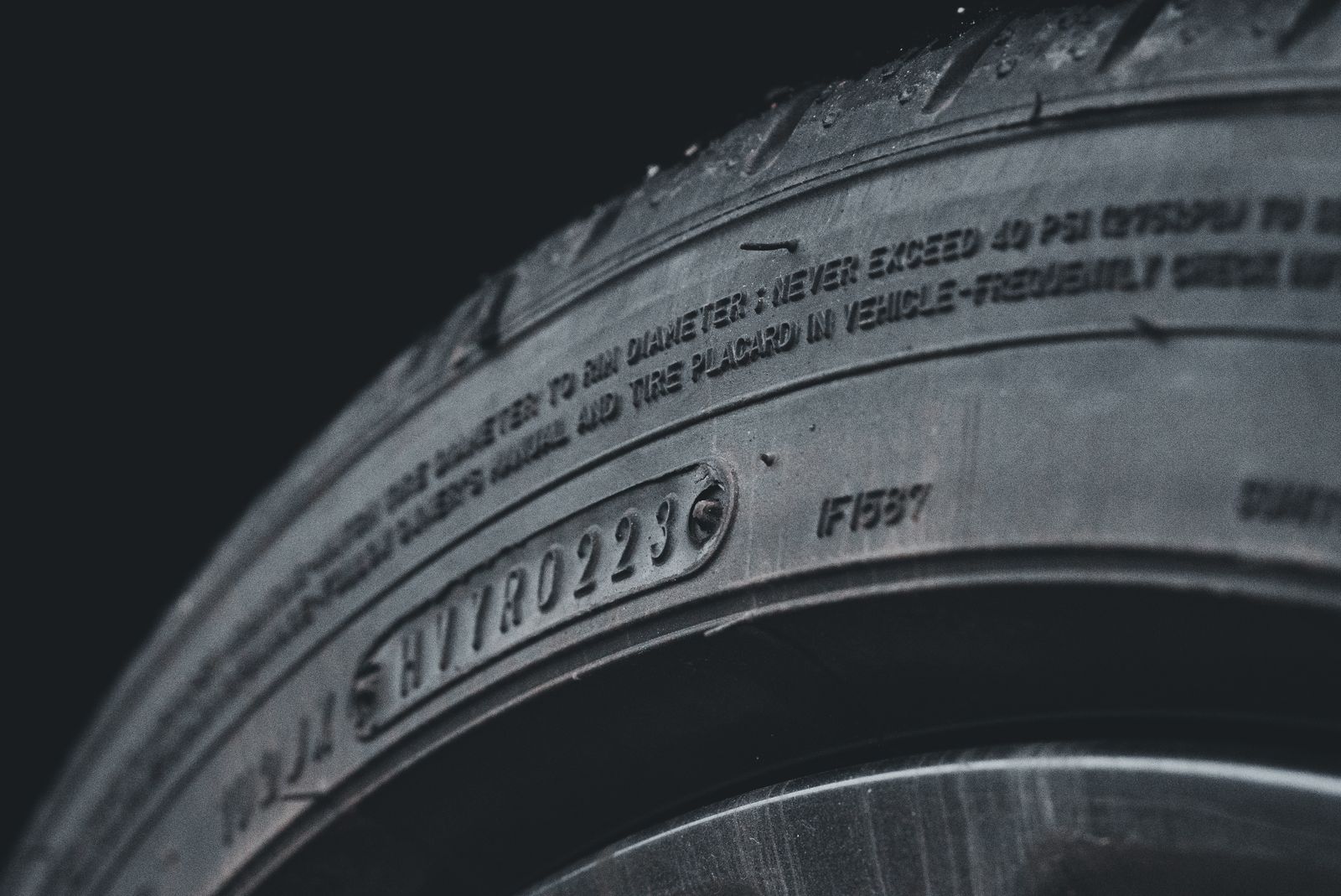
Give the receiver the pickup photographs and carrier record before arrival, along with any faults that affect unloading or onward movement. If an administrative appointment follows delivery, plan that trip separately and verify its requirements with the responsible office. Ask bidders where their responsibility ends and what assistance is included, especially when the car cannot leave the unloading point under its own power.
Vehicle identification
Order matches the car
Records connected accuratelyTransport condition
Pickup and delivery evidence
Custody comparisonTitle process
Applicable official instructions
Separate requirement verifiedTurn this plan into comparable transport options
Use the actual vehicle, pickup and delivery details, timing and handling needs so every quote starts from the same scope.
Keep the carrier inspection in its proper role
Idaho’s title guidance calls for a VIN inspection when a vehicle comes from another state or has not previously been titled in Idaho, performed by one of the listed authorized parties. Idaho vehicle-title inspection guidance
The transporter’s condition report documents the handoff; do not assume it substitutes for that title-related inspection. Check with the relevant Idaho motor-vehicle office about your ownership, lien and registration situation before arranging subsequent use.
Obtain seller documents directly from the seller and keep the shipment’s VIN consistent across the booking and release records. If paperwork is delayed, ask whether the vehicle can be accepted and where it can remain without assuming transport resolves the title issue.
Accept a complete transport order
Describe size, modifications, clearance and starting, rolling, steering and braking faults. Compare open and enclosed equipment after the carrier has accepted the handling requirements.
Request the carrying company’s identity, total payable, deposit and balance terms, cancellation rules and any access-related charges. Ask whether dates are estimates or specific commitments, and identify any transfer or storage during the journey.
Review coverage and the reporting process. Prepare the vehicle as instructed, photograph it before loading and retain the pickup report. The Idaho recipient should inspect against that record, note discrepancies and keep the final receipt separately from the title application documents.