
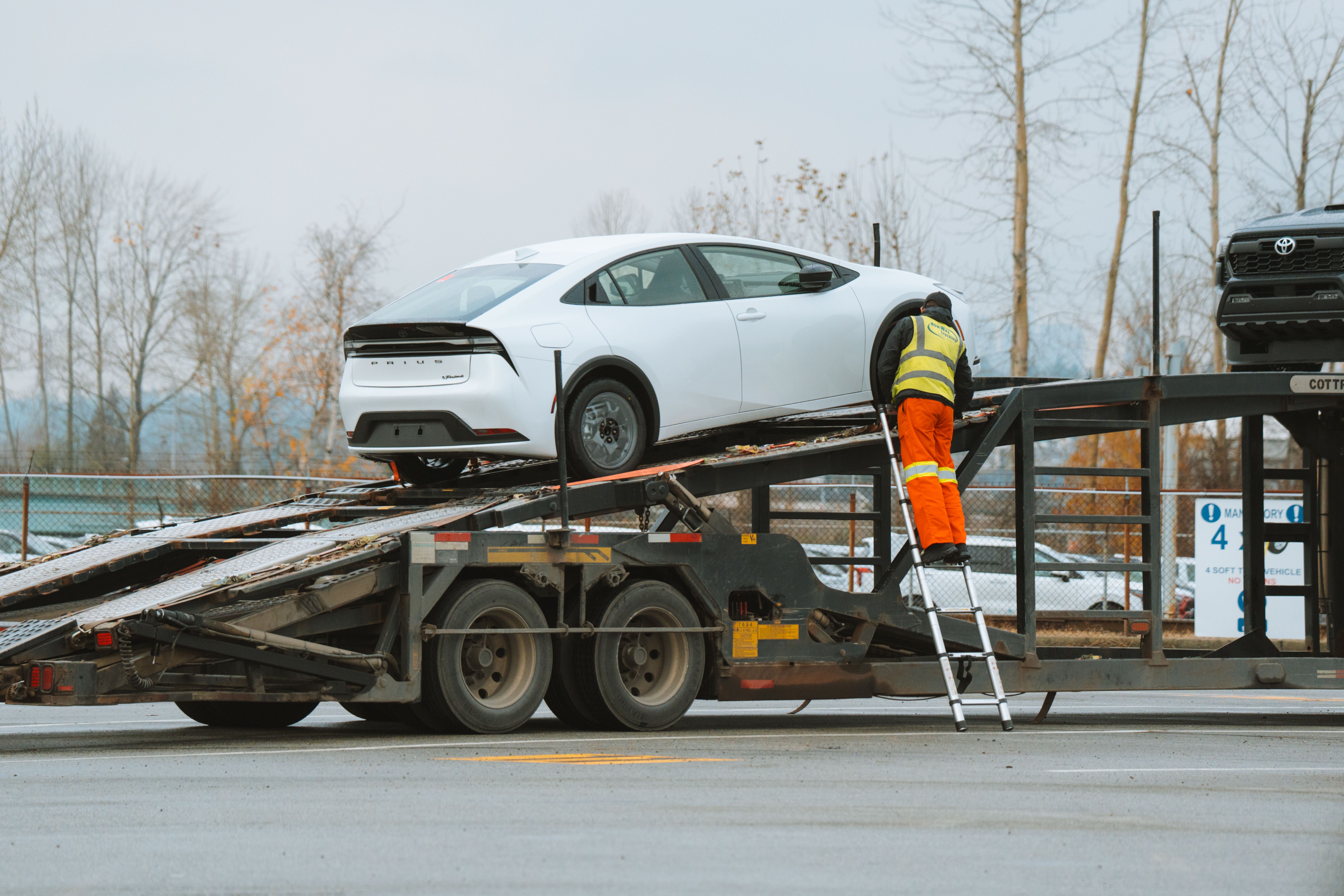
Phoenix auto transport should match the actual carrier, car and loading property. Use freight-route information as one input to the operator’s assessment, then compare written equipment, assistance, payment and receiving terms before booking.
Ask for a commercial approach assessment
Phoenix publishes a freight-network layer through its official mapping service. Phoenix official freight-network mapping
Have the hauler verify the intended approach and current restrictions for its loaded combination. A map layer is not an approval for a specific truck, and passenger navigation should not be used as proof of truck access. Confirm the unloading footprint separately from the road approach.
Ask what changes between an estimate and carrier assignment
Give bidders the same endpoints, condition details and available dates. Identify anything that affects loading, such as clearance, steering or brake limitations, and ask whether the amount assumes a car that can move normally. If you choose enclosed equipment, request the proposed handling method and coverage terms instead of assuming the enclosure settles every protection question.

Before making a payment commitment, establish who performs the haul, when that operator becomes known and how a replacement is approved. Ask which access or vehicle assumptions could change the amount and obtain the process for agreeing an amendment. A map showing a freight corridor cannot confirm a private loading space; the property and carrier still need to accept the stop. Appoint someone at each end who can exchange keys and condition records. If the destination contact becomes unavailable, request a named, approved holding alternative and its cost. Those details make competing Phoenix offers comparable beyond their first quoted number.
Turn this plan into comparable transport options
Use the actual vehicle, pickup and delivery details, timing and handling needs so every quote starts from the same scope.
Initial estimate
Shared vehicle and endpoint facts
Assumptions listedAssigned service
Operator and stop accepted
Terms reviewedReceipt
Authorized person and record
Condition checkedGive a complete vehicle description
Supply make, model, modifications and ground clearance. Explain whether the car starts, rolls, steers and brakes. For enclosed transport, ask about the loading system as well as the covered trailer; for open service, confirm the same access and condition assumptions.
If another location is needed, get its permission and decide who transfers the car. A non-running vehicle can make that extra step a material part of the quote.
Check responsibility, price and receipt
Record the booking company’s legal name, whether it uses a separate hauler and when carrier contact information becomes available. Compare total payment stages, cancellation and storage terms for matching endpoints.
Name the signing contacts, keep departure photographs and send the condition report to the receiver. Obtain claim instructions before release. A Phoenix service listing is not verification of a local yard or a quality endorsement.