
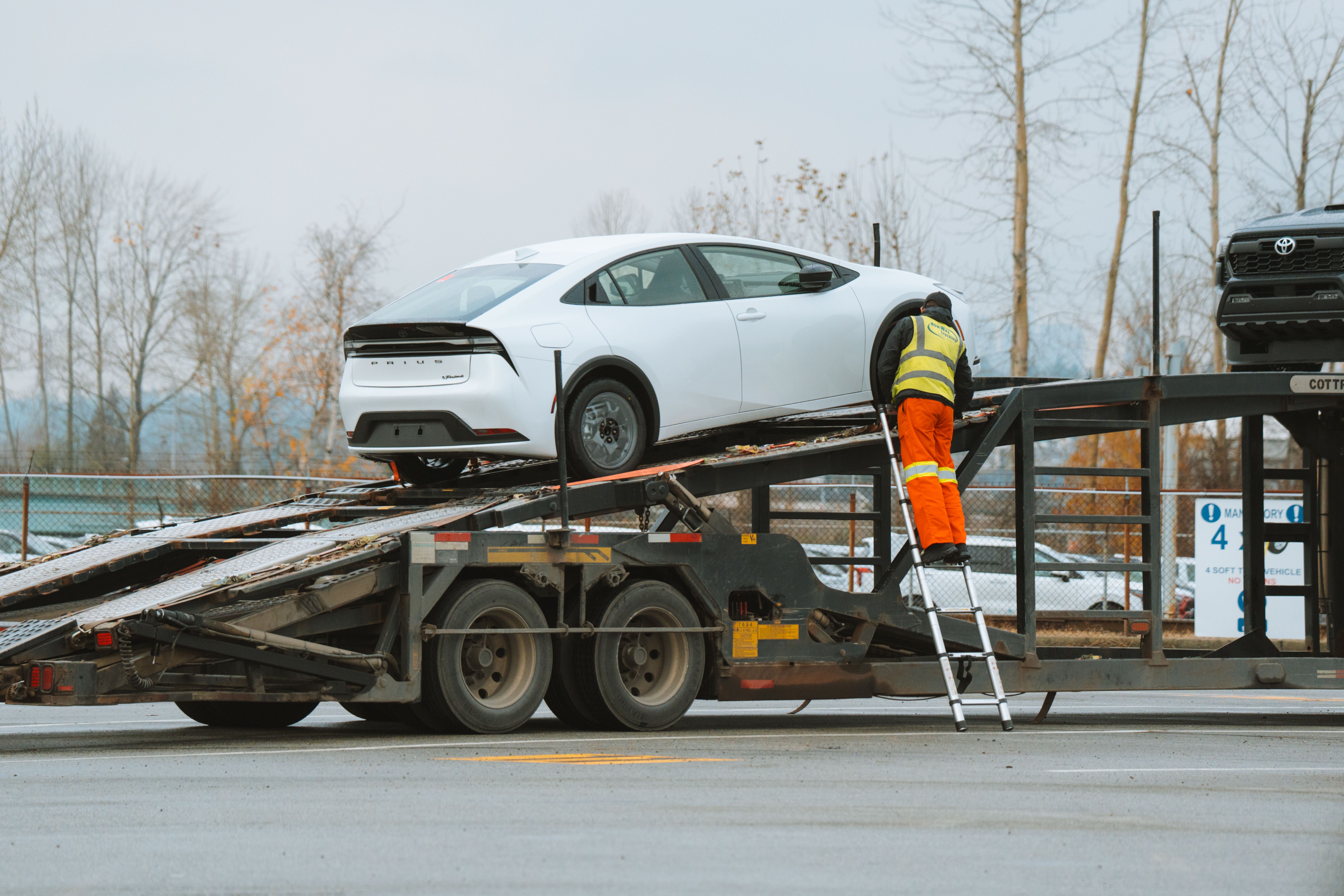
Southern California auto transport should define the actual origin, destination and performing operator. Regional coverage language does not specify how many transfers are involved; compare each proposed handoff, vehicle requirement and total through receipt.
Replace regional coverage with named endpoints
Send both addresses and the car’s release date. Ask each company to state where custody starts and ends. If it proposes a terminal or another meeting point, decide who moves the car between that point and the property.
Disclose a vehicle that cannot be driven before considering those alternatives. An inexpensive regional handoff may require additional equipment to complete the movement, and that cost belongs in the comparison.
Ask whether regional coverage includes an intermediate transfer
Have the arranger describe where the car first enters custody and whether another operator takes it before final delivery. A broad service-area promise does not tell you if the same truck performs the whole move. Ask which business is responsible at each stage and where condition will be recorded.

If a local connection is proposed because the long-distance equipment cannot use a property, include its assistance, permission and charge in the written scope. Give the receiver the relevant records and any limitations on moving the car after unloading. Comparing the complete itinerary makes it easier to distinguish a regional claim from a service arrangement that actually fits both endpoints.
Initial collection
Property or connection accepted
First custody recordPossible transfer
Next operator and scope identified
Responsibility retainedFinal receipt
Receiver and records prepared
Condition comparedTurn this plan into comparable transport options
Use the actual vehicle, pickup and delivery details, timing and handling needs so every quote starts from the same scope.
Have the truck approach checked at both levels
Caltrans publishes a state highway truck network and separate resources for local truck access. Caltrans local and state truck-access resources
The carrier should assess its equipment against the relevant network and the local portion of the trip. Access from a state highway is not a complete loading plan for a gated property or narrow entrance. Ask the controlling property owner about permission and hours as well.
If the carrier has not seen the address constraints, describe them and provide useful photographs. Do not turn a passenger-car route into instructions for a loaded transporter.
Compare changes in service deliberately
Have bids identify open or enclosed equipment, accepted vehicle condition and any separate transfer. Ask whether a different truck can be substituted and what rechecking the access would involve. Read the price-change procedure with the payment and cancellation terms.
Keep a named contact at each handoff and share the collection photographs with the recipient. If delivery is proposed at a different Southern California locality than requested, settle that explicitly before release. A broad service-area claim should not decide the endpoint for you.