

Wenatchee auto transport should account for the actual property approach, the assigned truck and the person available to release the car. Do not turn a highway or river-crossing concern into a customer-selected truck route; provide access facts and let the operator decide how its equipment reaches the accepted handoff.
Describe the Wenatchee site
Identify whether the car is on a residential street, orchard property, dealer lot or storage facility. Give the carrier the vehicle’s size, running condition and any grade, gate or turning limitation. If it proposes a meeting point, decide who has permission to use it and who drives or tows the car there.
Describe the last mile without prescribing the route
Send photos or plain-language notes about the entrance, grade, turning space, gate and any property restrictions that the driver should know. If the assigned carrier cannot use the original stop, ask it to propose a workable alternative and explain why. The customer’s role is to confirm permission and vehicle movement to that point, not to direct a commercial combination onto a particular road.
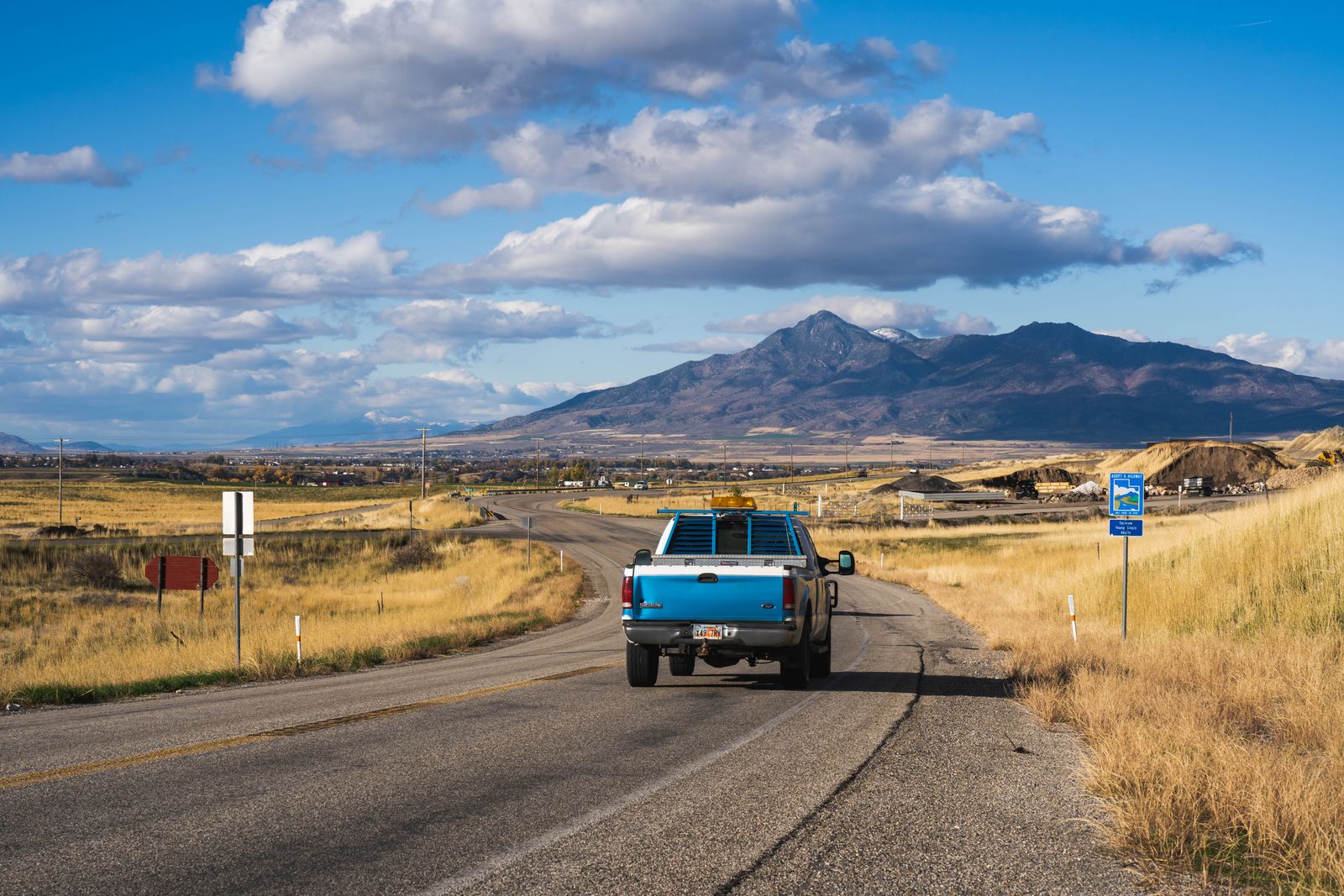
Pair that access plan with an attendance plan. If the pickup window moves, decide who keeps the vehicle and keys and how long that person can wait. A revised meeting place should include the same condition-record expectations as the original one. This keeps a route adjustment from quietly changing custody, local mileage or the amount you expected to pay.
Property facts
Entrance and space described
Operator evaluates accessAlternative stop
Permission and local movement checked
Customer approves changeHandoff
Authorized person attends
Condition recordedTurn this plan into comparable transport options
Use the actual vehicle, pickup and delivery details, timing and handling needs so every quote starts from the same scope.
Treat the crossing and timing as operational questions
Ask the provider to assess the route with its actual equipment and current conditions. A map-distance estimate is not a commitment that a particular truck can reach the property or cross a pass on a chosen day. Set a contact who can accept a revised handoff without leaving the car unattended or paying unexplained storage.
Confirm the business and condition record
FMCSA’s automobile-transporter advisory distinguishes the broker arranging a movement from the carrier that moves the car. FMCSA automobile-transporter advisory
Match the company on the agreement to its role and verify applicable records. Photograph the car at pickup and arrange the receiver’s inspection at delivery. Ask how a changed loading point affects the total before the truck arrives.
Assign Wenatchee exception decisions before the truck arrives
Decide who may approve a different meeting point, later window or additional charge if the assigned equipment cannot use the original site. Give that person the vehicle condition and carrier contact. If the car cannot be driven to an alternate point, state that limitation in advance. The carrier should resolve approach and crossing choices operationally; the customer should control changes to the agreed handoff and price.