
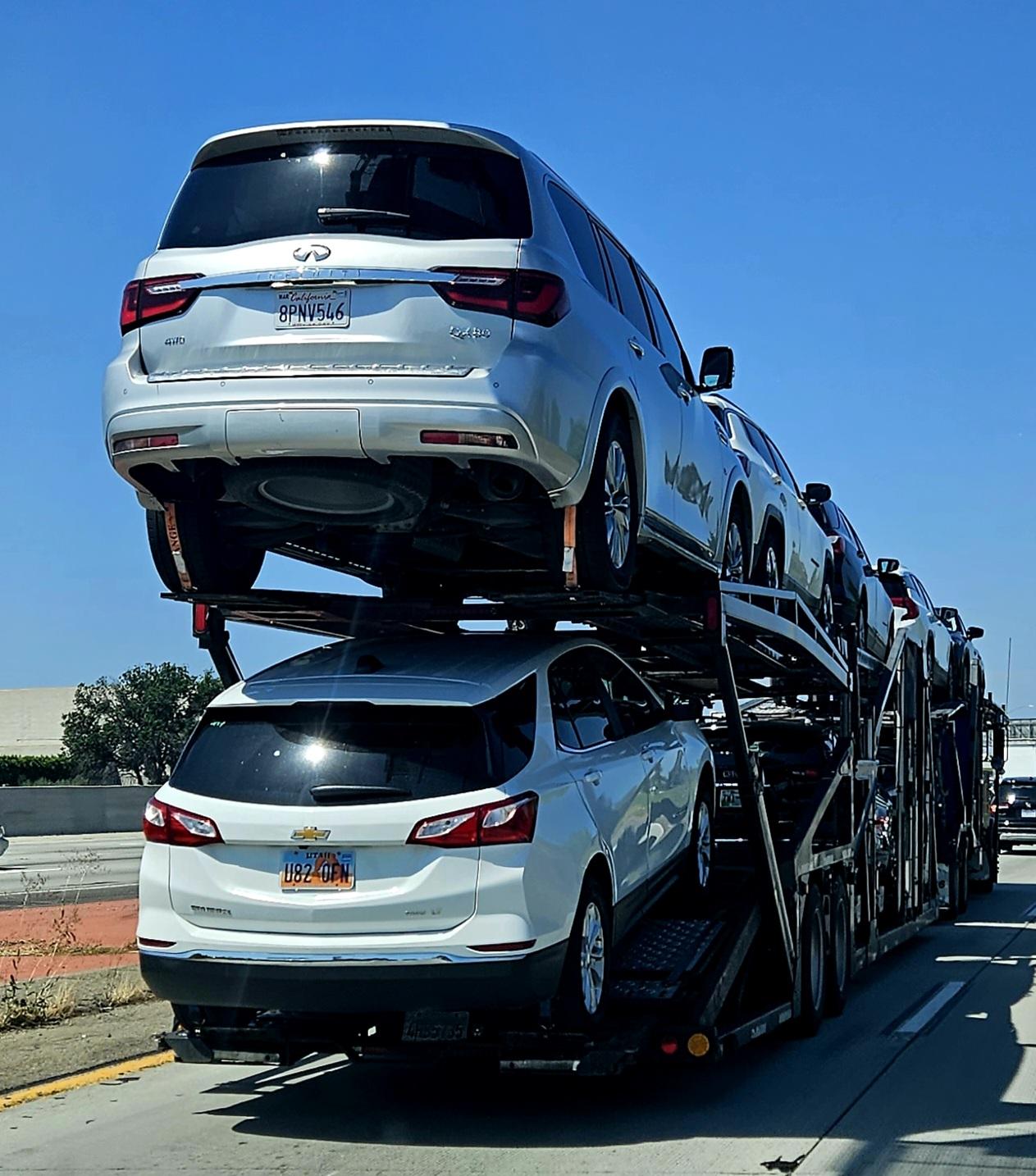
International car shipping near you should be compared by route capability and responsibility, not distance from your home. Define who handles the U.S. inland move, export-document stage, port or terminal acceptance, ocean booking and destination release before treating two companies as alternatives.
Compare the full international chain before comparing proximity
Ask each provider to mark where its responsibility starts and ends. A nearby office or pickup agent may only arrange the inland leg, while another business handles export or ocean transport. Request the legal business names, handoff locations and documents expected at each stage. Check applicable export requirements with U.S. Customs and Border Protection and destination requirements with the relevant foreign authority or qualified provider.

Price the complete chain, including any terminal, holding, local delivery or document-service charges that are actually part of your proposal. If a stage is not included, identify who books it and how the car is accepted from the prior operator. Keep separate condition records when custody changes. This makes “near me” useful as a convenience filter only after the essential route and responsibility questions are answered.
Before paying a deposit, identify any vehicle-eligibility or ownership documents that must be resolved before export and who reviews them. Ask how the provider handles a rejected terminal appointment, missing document or vessel-booking change, including where the car remains and which charges may accrue. Confirm destination-side import, tax, registration and road-use obligations with the relevant authority or qualified professional instead of assuming the U.S. shipping company completes them. Keep original documents under your control unless a verified process requires delivery, and use a written inventory of anything transferred to an agent.
Turn this plan into comparable transport options
Use the actual vehicle, pickup and delivery details, timing and handling needs so every quote starts from the same scope.
Finally, confirm how you will communicate during each custody transfer and which reference number identifies the booking. Give the destination contact the same shipment identifiers and inspection record. If a delay occurs between stages, require a named holding location and contact rather than relying on an undefined port or warehouse handoff.
U.S. inland
Carrier and receiving facility
Delivery scope definedExport/ocean
Documents and booking owner
Acceptance confirmedDestination
Release and local movement
Remaining obligations knownAsk about the international chain
Proximity does not prove route capability
A local provider may serve only domestic moves. Confirm the international lane, method and vehicle acceptance before treating distance from your home as a selection factor.
Compare international providers by transfer responsibility, not distance
A nearby office is useful only if it changes a real step in the shipment. Ask who collects the vehicle, who controls the export or terminal handoff, which party provides destination release instructions and where the quoted price stops. Keep the road, terminal and ocean responsibilities visible as separate lines. This makes a local provider comparable with a farther company that may offer a more complete and better-defined international chain.