
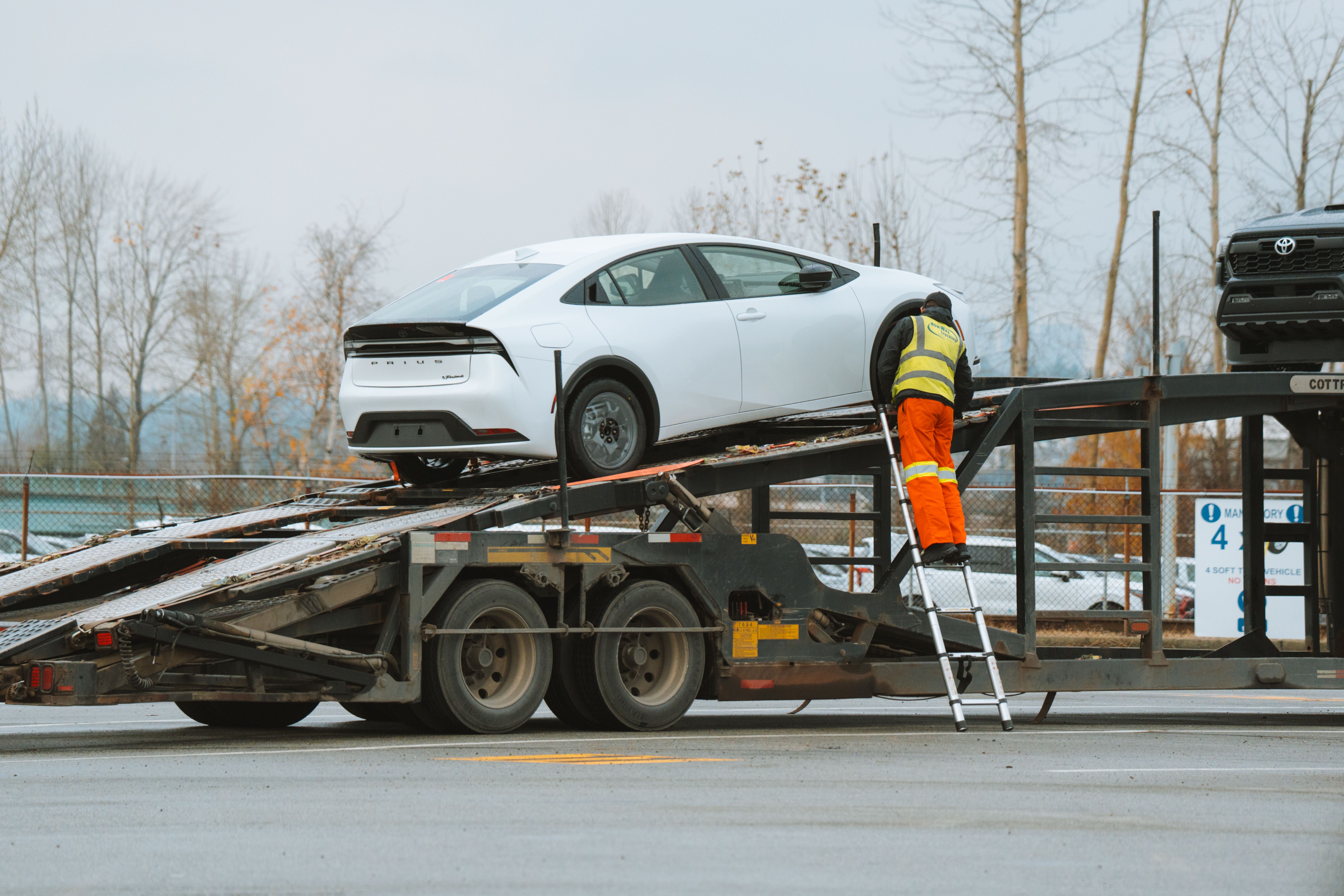
Lakewood, Washington auto transport should pair current street conditions with the specific property and assigned vehicle carrier. Priority snow routes can inform planning, but the operator still needs to accept the last approach and the customer needs a secure fallback if the pickup window moves.
Check the street you will actually use
Lakewood’s winter-weather guidance explains that the city has designated priority snow and ice routes. Lakewood WA winter-weather response
Use current city information and a direct check of the property when conditions are poor. Do not interpret a priority-route designation as a promise that a road is clear at your collection time. Tell dispatch if the entrance or unloading surface remains unsuitable, even when nearby traffic appears normal.
Build a Lakewood fallback that does not depend on roadside waiting
Give dispatch the exact entrance and any current condition that affects access. If weather changes the approach, ask the carrier whether the original property remains workable. Do not move the car solely because a city route receives higher snow priority; the loading location and connecting streets still need to fit the actual equipment.
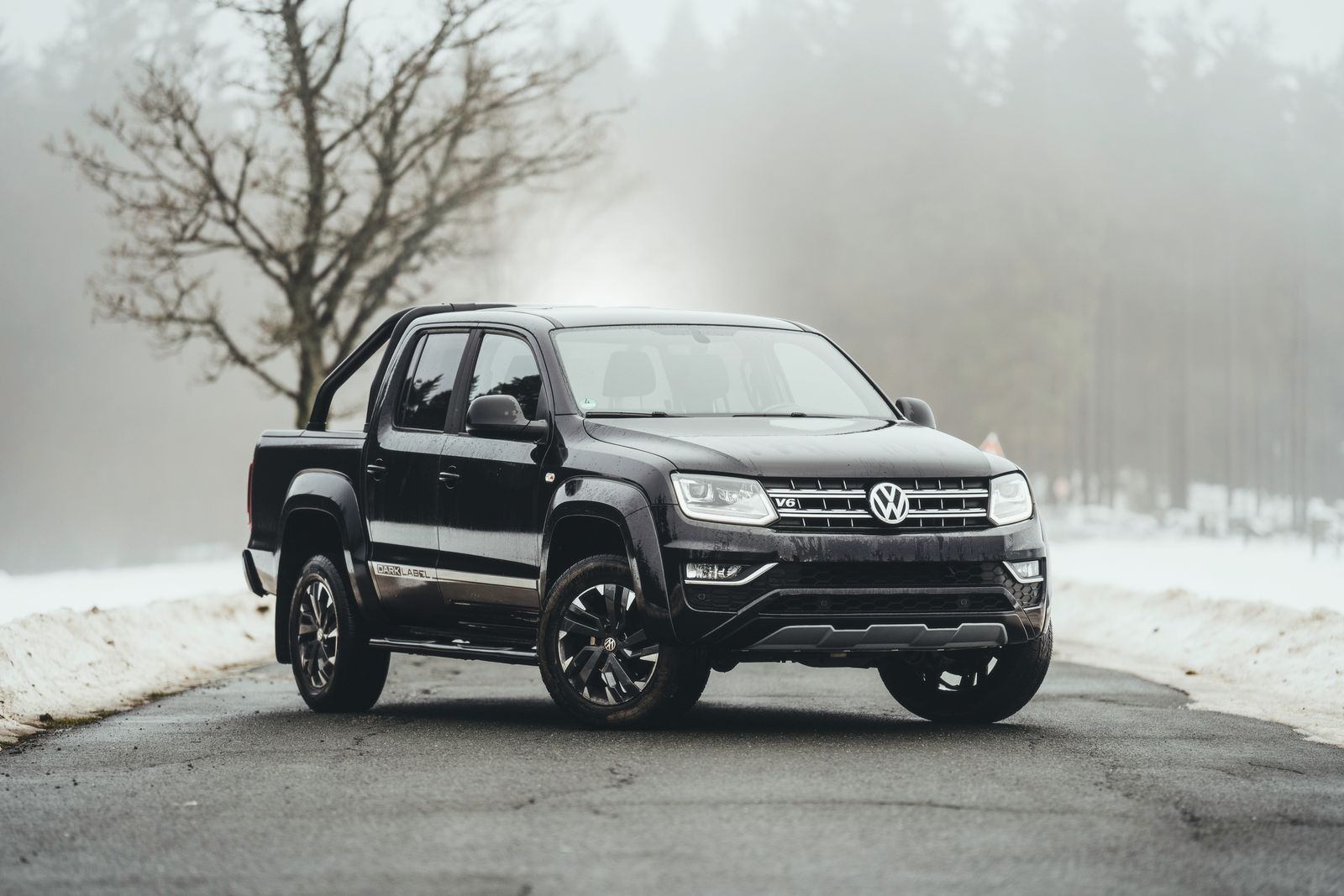
If collection is postponed, keep the vehicle with a named custodian at an approved property. A revised meeting point should identify who can move the car there, who controls the site and whether the total changes. Send the final location to both the driver and releaser so they are not following different versions of the plan.
Turn this plan into comparable transport options
Use the actual vehicle, pickup and delivery details, timing and handling needs so every quote starts from the same scope.
Conditions checked
Current property information shared
Carrier reassesses accessPickup delayed
Custodian retains vehicle
No roadside workaroundStop changed
Permission and cost confirmed
Both contacts updatedSend information a map cannot show
Photograph the approach from the direction the truck would arrive. Explain a steep transition, narrow gate, low obstruction or limited turning space. State whether the car can be moved away from the property if the operator requests another handoff location.
Describe mechanical limitations accurately. A vehicle that starts but cannot steer or brake normally needs the operator’s handling assessment before a truck is dispatched. Ask whether the quoted equipment can accommodate its actual size and modifications.
Agree changes before moving the vehicle
- Get the alternative location approved by its owner and the transporter.
- Identify who brings the car there or collects it afterward.
- Confirm any additional charge and where custody changes.
- Keep the same pickup and delivery condition-record procedure.
For a Lakewood delivery, send these instructions to the receiving person as well. Compare companies on the complete movement, cancellation terms and assigned-carrier communication. A broad service-area claim should not be treated as confirmation of access to your driveway or permission to load in a nearby lot.