
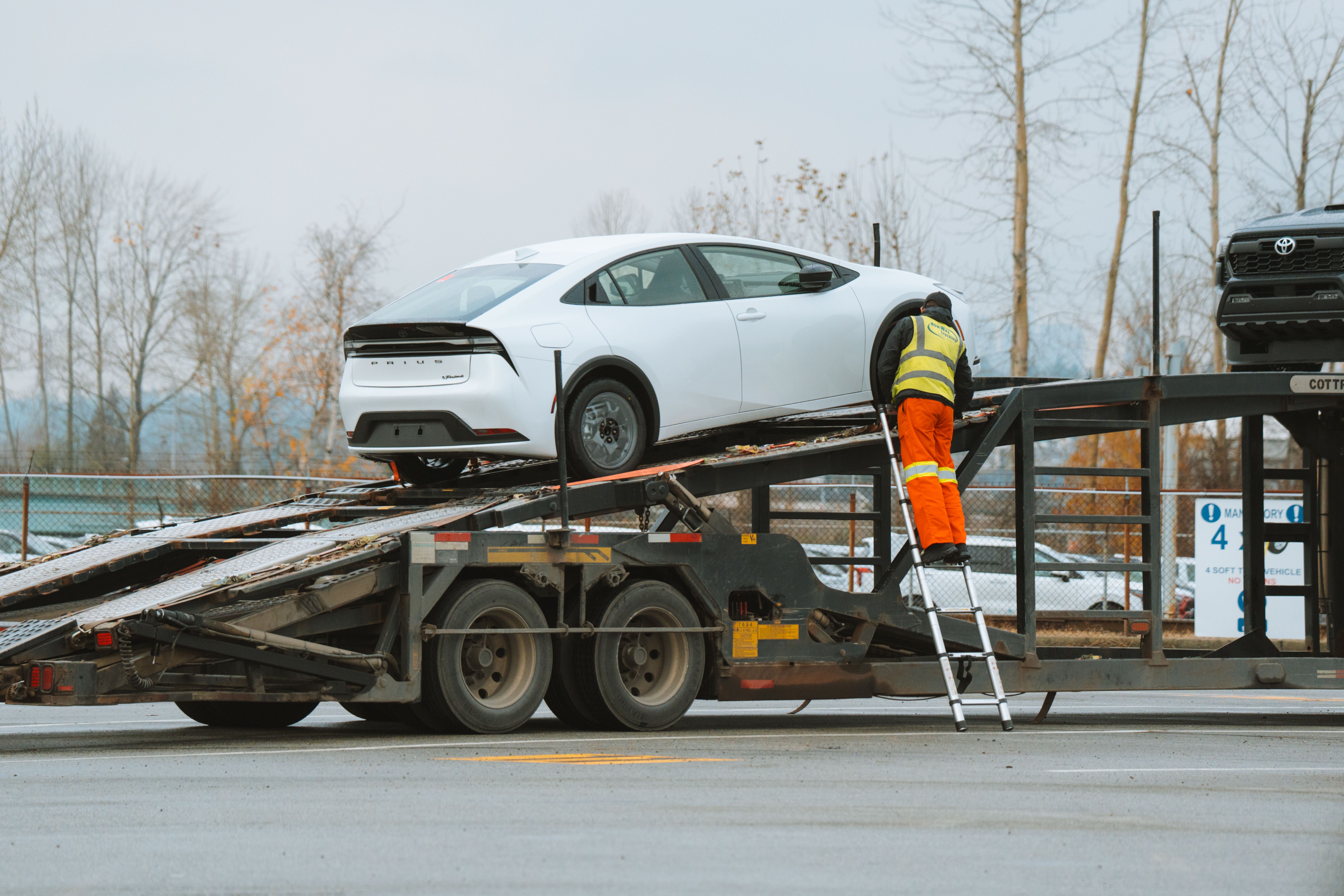
Lexington, Kentucky auto transport should pair current street conditions with a specific vehicle, property and performing carrier. Snow-route priority information can help explain why conditions differ across the city, but it does not guarantee that a driveway, neighborhood street or loading space is ready for a transporter.
Check the pickup street, not only the main road
Lexington’s snow-control plan prioritizes ranked roads and notes that continuing snow can delay work on lower-ranked roads. Lexington snow and ice control plan
Check current conditions near the property before the agreed collection window. Ask dispatch whether its approach is still workable; the published plan is not a clearance guarantee. If a different loading area is needed, obtain permission and decide who moves the car there.
Compare the property handoff after conditions are checked
Give dispatch the exact entrance and any observed condition that could affect the truck. Ask the assigned carrier whether it can use the property and what alternative it would prefer if the last approach is not workable. Do not assume that a higher-priority road means the entire route to the vehicle has the same condition.
If the pickup date moves, confirm who keeps the car and keys and whether the releaser can attend the new window. Put a different meeting point and any extra local movement in writing. This gives you a consistent way to compare Lexington companies even when weather changes the timing: the scope still identifies the operator, property, custodian and full charge.
For a broader provider-selection step after the Lexington handoff is defined, the Kentucky company comparison is the relevant continuation.
Turn this plan into comparable transport options
Use the actual vehicle, pickup and delivery details, timing and handling needs so every quote starts from the same scope.
Condition check
Current road information reviewed
No endpoint assumptionProperty review
Entrance shared with carrier
Fit accepted or alternative proposedDelay
Custodian and new window confirmed
Vehicle remains controlledGive the loading team a useful vehicle description
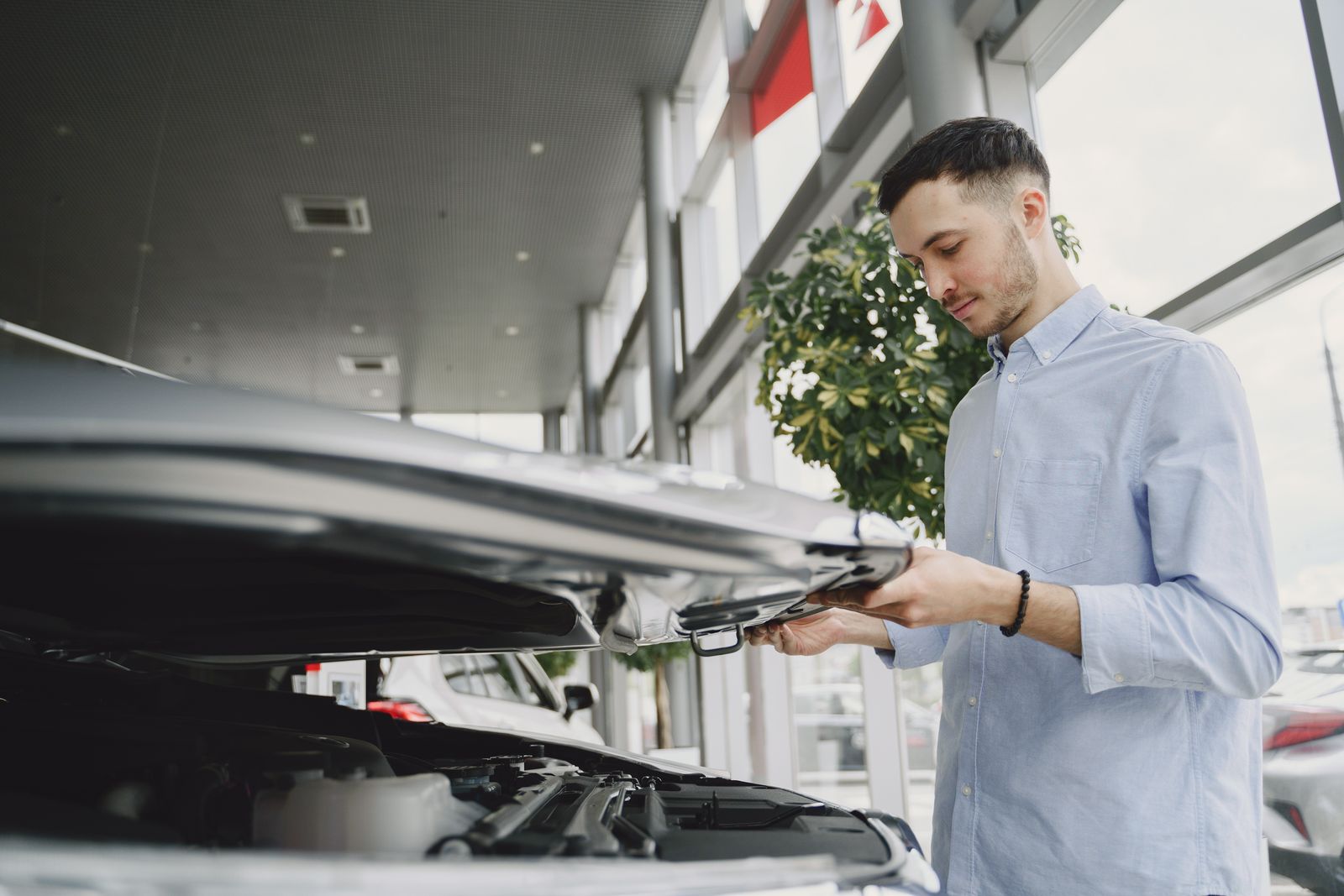
State the model and any change to height, length or ground clearance. Describe separately whether it starts, rolls, steers and stops. Supply photos if a low front bumper or a constrained garage affects loading. Ask which equipment the proposal includes and whether special handling changes the total.
Choose open or enclosed service deliberately. Do not treat the word enclosed as a promise about every loading method or insurance exclusion; ask for the actual equipment and coverage documents.
Compare the company and the agreement
Get the booking business’s identity and the process for learning the assigned carrier. Match all proposals to the same Lexington address, destination, car and timing. Review payment, cancellation, waiting and storage terms.
Before release, establish how the driver will be recognized and keep a joint condition record. The receiver should have that record and time to inspect at delivery. Approve any location change in writing so responsibility for a local drive or tow is clear.