
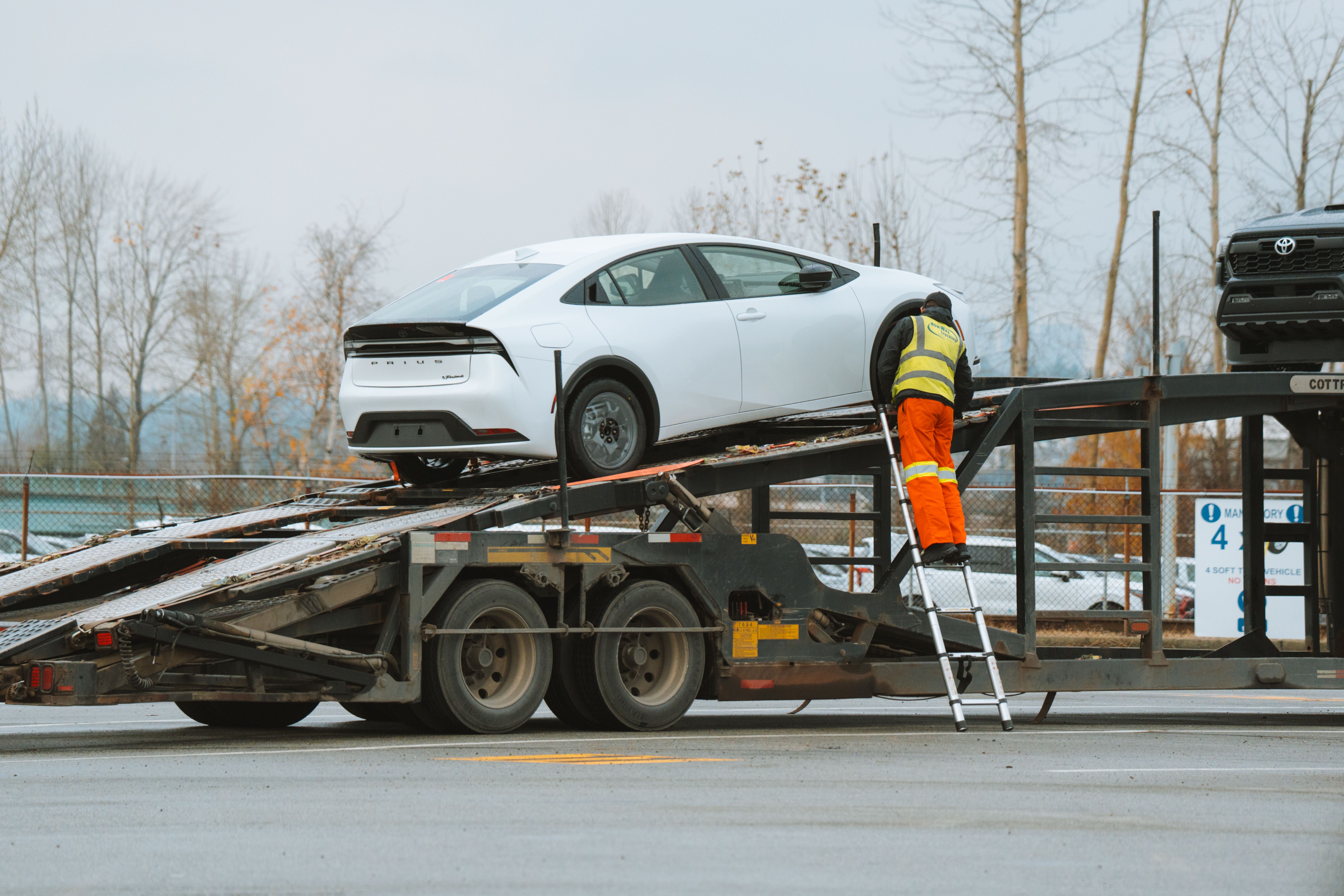
Philadelphia auto transport may require a city-specific pickup arrangement when the carrier needs curb space or another regulated street use. Define the actual loading activity first, then use the appropriate city process if it applies.
Check the appropriate city process
Philadelphia’s Temporary No Parking process requests an address, vehicle length and time period, with applications at least four business days in advance. Philadelphia Temporary No Parking guidance
Confirm with Streets whether this process covers the proposed auto-carrier operation. Provide the full truck and ramp footprint, not just the car’s length. Do not assume cones or a passenger parking permit create an authorized loading area.
Ask who performs the city handoff
| Decision | Get in writing |
|---|---|
| Hauler or intermediary | Legal booking name and assigned carrier contact |
| Equipment | Trailer type, clearance and non-running handling |
| Location | Actual property or authorized alternative |
| Changes | Cancellation and additional transfer or waiting charges |
Decision: Hauler or intermediary
Get in writing: Legal booking name and assigned carrier contact
Decision: Equipment
Get in writing: Trailer type, clearance and non-running handling
Decision: Location
Get in writing: Actual property or authorized alternative
Decision: Changes
Get in writing: Cancellation and additional transfer or waiting charges
Make the Philadelphia PA receiving plan part of the booking decision
A quote for auto transport philadelphia pa becomes useful only after the practical conditions are explicit. Put truck access, loading space and the fallback meeting point into the same request sent to every provider and ask what evidence of acceptance you will receive. For Philadelphia PA, if one proposal relies on a different stop, transfer or storage step, compare the responsibility and total cost of that extra step rather than treating it as free convenience.
Turn this plan into comparable transport options
Use the actual vehicle, pickup and delivery details, timing and handling needs so every quote starts from the same scope.

For Philadelphia PA, on pickup day, the releaser should be able to answer three things without guessing: which operator is expected, where the car can be loaded, and what to do if the vehicle’s running, rolling and loading condition changes. For Philadelphia PA, keep the condition photos or inspection record with that handoff. For Philadelphia PA, this closes the gap between booking details and the physical vehicle that is actually released.
| Decision | Clarify | Acceptance test |
|---|---|---|
| Philadelphia PA request | Philadelphia PA: truck access, loading space and the fallback meeting point | Same facts reach every provider |
| Performing assignment | Philadelphia PA: the vehicle’s running, rolling and loading condition | Operator accepts the actual handoff |
| Fallback decision | Location, authority and added charge | Revised plan replaces the old instruction |
Prepare the people and documents
Confirm keys and seller or shop release conditions. Give dispatch realistic availability and disclose mechanical faults. At the destination, identify who can inspect and sign, including a backup if you travel separately.
Keep pickup photos and the condition report, share them before delivery and request the written damage-reporting process. Compare the complete price and receiving scope rather than treating a Philadelphia listing as proof of a local depot.