
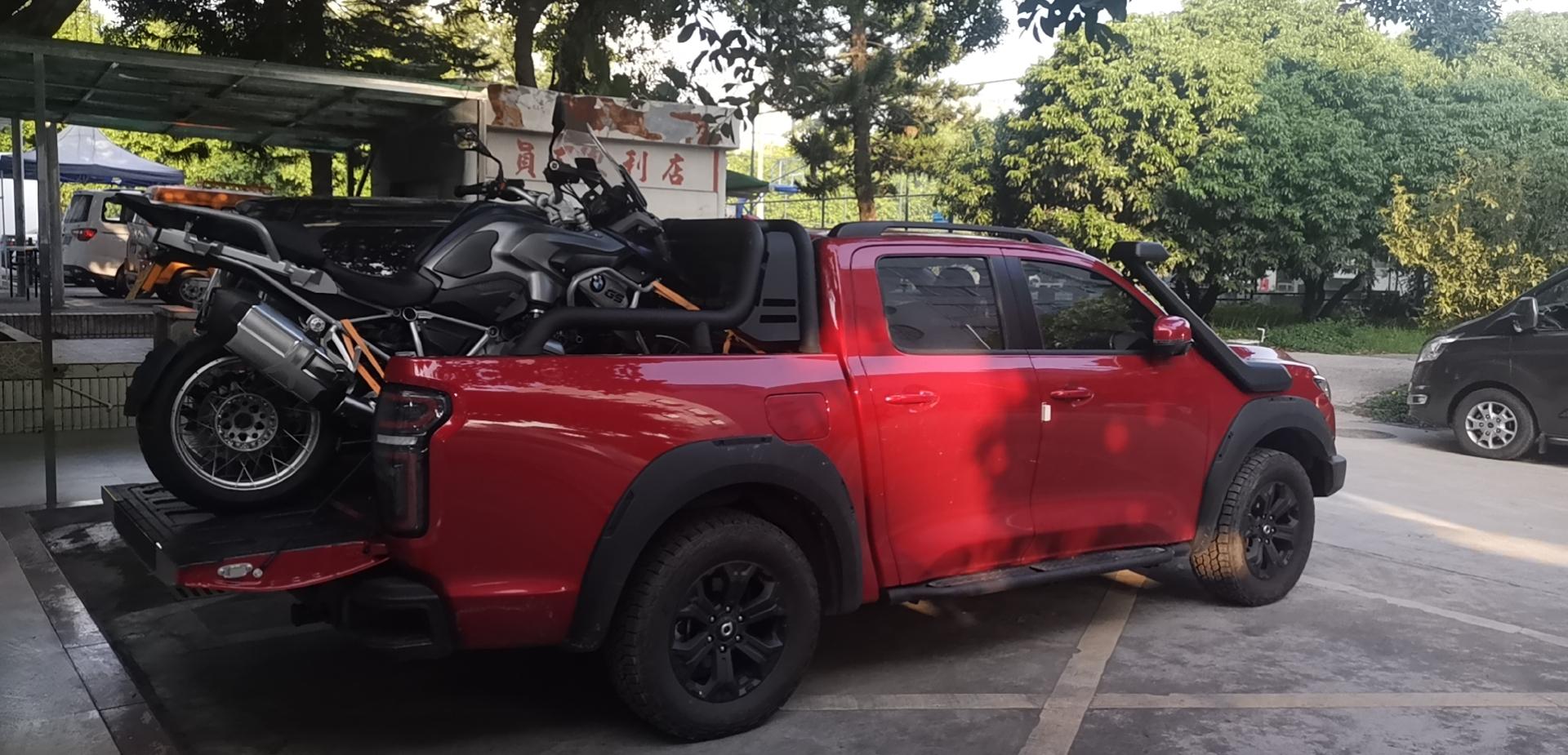
A workable plan for Motorcycle shipping in San Diego: make the bike ready before loading starts with the bike and the handoff, not a generic lane price. Separate active loading from waiting.
Separate active loading from waiting
San Diego’s parking guidance prohibits heavy-duty commercial vehicle parking in residential areas except for loading, unloading or a nearby service call. It also limits alley parking, with an exception for active unloading unless the alley has a designated parking zone. San Diego parking enforcement guidance
Tell dispatch where the bike is stored and how long it takes to bring it to the loading area. Check the actual signs and obtain permission for private property. If packing or mechanical work is still needed, complete it before the appointment or arrange a suitable off-street location.
Describe more than the make and model
Report running condition, locked wheels, steering limitations, modifications and attached luggage. Ask the carrier how the bike is supported and restrained, whether it stays on one vehicle and what happens during a transfer. Do not assume enclosed carriage describes the loading equipment.
- For a rolling shipment, confirm a suitable ramp or lift and an accessible path.
- For a crate, specify who packs it and what machinery is needed at receipt.
- For a project bike, list loose parts and obtain acceptance of their packaging.
Turn the San Diego bike details into a dispatch-ready handoff
The important San Diego distinction is between the transport method and the custody plan. Protection choices matter, but they do not replace a workable pickup contact, keys, loading access and a receiver. Ask the booking contact to state any terminal, crating, pallet, transfer or temporary storage step that changes who has the motorcycle between the two endpoints. If the destination is residential, compare the property plan with motorcycle home delivery guidance before assuming the truck can use the driveway.
Turn this plan into comparable transport options
Use the actual vehicle, pickup and delivery details, timing and handling needs so every quote starts from the same scope.

Before release, remove only the items the selected service requires you to remove and follow the carrier’s own preparation instructions for fuel, battery and loose accessories. Keep a condition record that shows the bike immediately before loading. If the proposed method changes after dispatch, ask how that affects handling, timing and the complete charge. Use the motorcycle method comparison to test whether protection and loading fit this San Diego bike.
| Decision | Clarify | Acceptance test |
|---|---|---|
| San Diego motorcycle | Running/rolling condition, accessories, loading need | Transporter accepts the exact bike |
| Release contact | Keys, authority and appointment availability | Bike is handed to the right operator |
| Receiving plan | Unload location and onward movement | Receiver can complete the handoff |
Confirm the receiving side before booking
Give the recipient the proposed method and ask whether the property can support it. A home delivery may require different unloading arrangements from a dealer with equipment. If another location is chosen, secure permission and agree how the motorcycle completes the final short movement.
For a purchase, clear seller payment and release authorization independently of the transport booking. Supply a reachable contact and realistic opening window so the driver does not arrive to a locked workshop or absent key holder.
Protect the price comparison and condition record
Request a total for identical endpoints, bike condition and date flexibility. Clarify packing, handling, waiting, storage and cancellation charges. Identify the carrying company, coverage terms and damage-reporting procedure instead of relying only on a sales description.
Follow the operator’s preparation instructions, photograph existing damage and record keys and accepted accessories. Send those records to the receiver. Inspect at delivery before completing the receipt and keep a written note of any discrepancy. A clear record helps distinguish a transport concern from an issue already present at collection.