
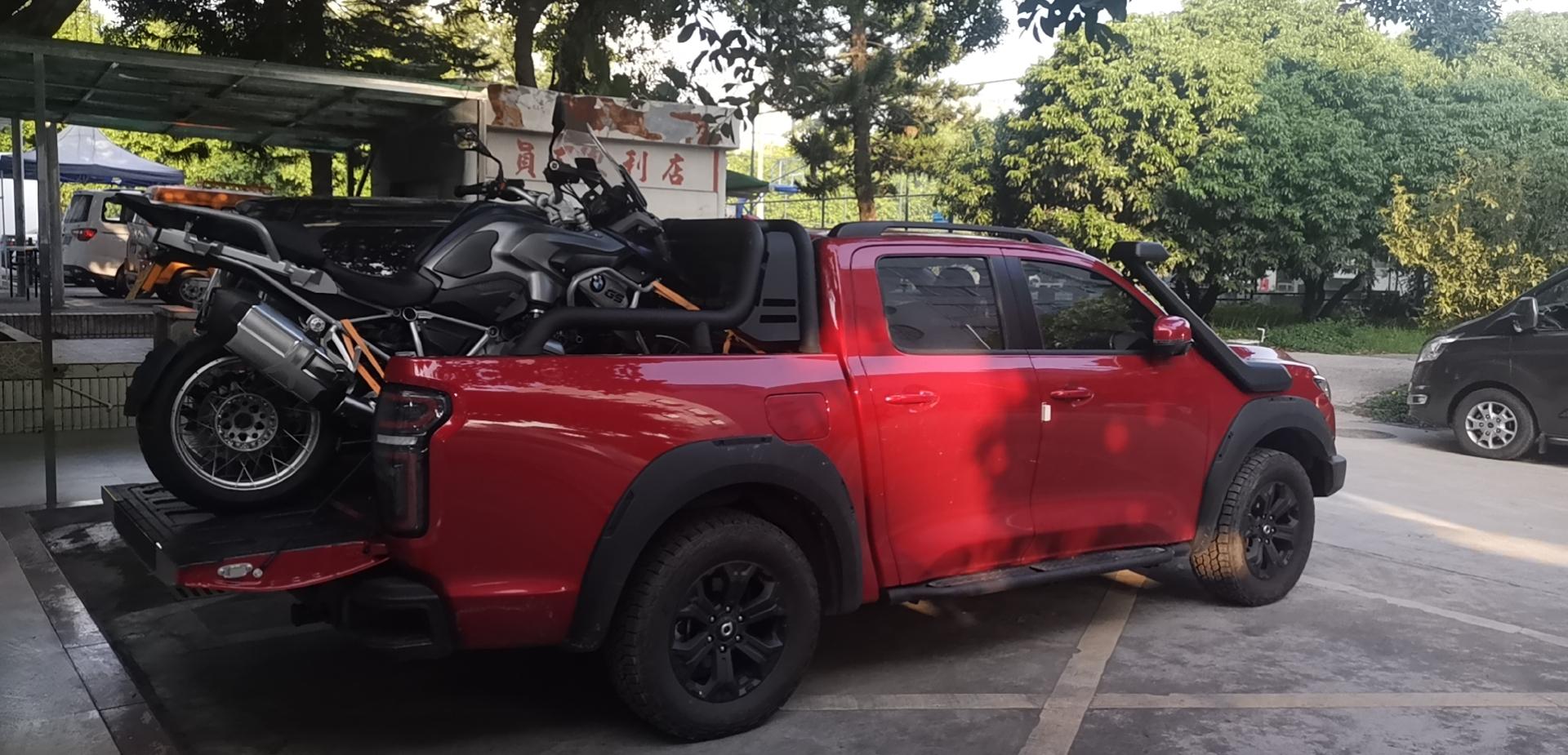
For San Francisco, decide whether the carrier can perform the actual pickup and whether the bike needs special loading help before you commit. Read the bay’s rules before scheduling it.
Read the bay’s rules before scheduling it
SFMTA states that six-wheel truck loading zones are specifically for six-wheeled trucks. Yellow-zone operating times vary with the signs or curb markings, and commercial loading zones are shared rather than reserved for one business. SFMTA yellow-zone and vehicle-class rules
Send dispatch photographs of the proposed loading area and its signs. Ask whether the assigned vehicle qualifies and whether the expected loading time fits. Do not treat a shared zone as a reserved appointment space or use your motorcycle to hold it. Arrange an authorized alternative if availability cannot be relied on.
Explain the path out of storage
Describe the garage entrance, slope, steps, narrow passages and any gate or building access requirement. State whether the motorcycle can roll, steer and brake. If it cannot be moved normally, ask who supplies the equipment and labor for the trip to the truck.
Keep responsibility clear when the carrier’s equipment cannot reach an underground or confined storage area. Do not assume the driver will carry, drag or ride the motorcycle through a route that was never disclosed.
Keep the San Francisco release connected to the handling method
A San Francisco quote should survive contact with the real pickup. Give the carrier the actual address conditions, contact availability and motorcycle condition, then ask what the driver needs for safe loading. If the stop is not workable, choose a fallback that the bike and transporter can both reach rather than naming a convenient landmark without confirming permission or truck access. For San Francisco, review motorcycle transport methods only after the bike condition and handoff are fixed.
Turn this plan into comparable transport options
Use the actual vehicle, pickup and delivery details, timing and handling needs so every quote starts from the same scope.
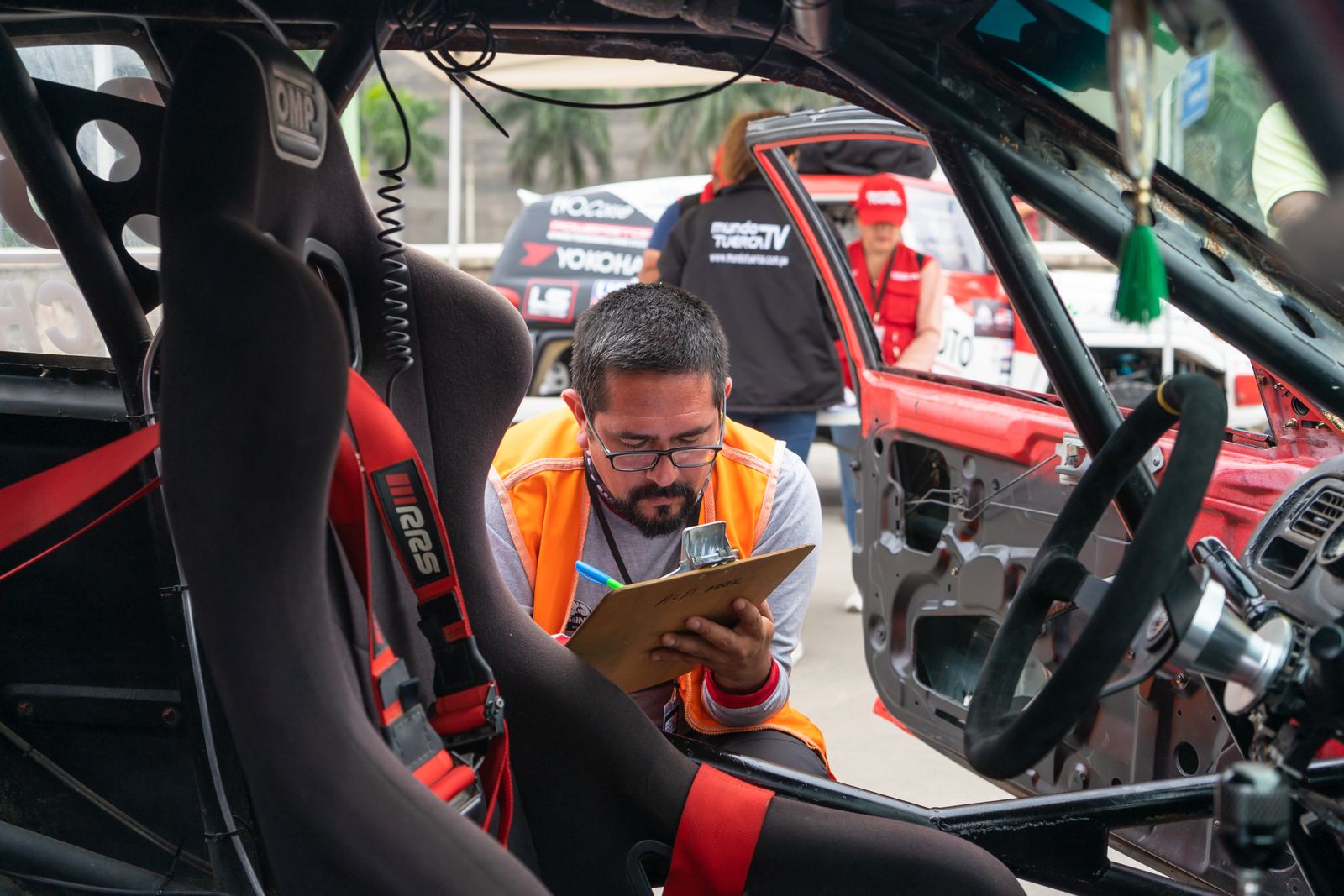
A San Francisco motorcycle move should name the person who closes the delivery, not stop at a destination address. Carry the pickup inspection evidence to that person, define any appointment or payment requirement, and identify whether a shop or other third party takes custody first. Hold that arrangement constant when reviewing motorcycle shipping cost factors so handling is not removed to create a lower price.
| Decision | Clarify | Acceptance test |
|---|---|---|
| San Francisco motorcycle | Running/rolling condition, accessories, loading need | Transporter accepts the exact bike |
| Release contact | Keys, authority and appointment availability | Bike is handed to the right operator |
| Receiving plan | Unload location and onward movement | Receiver can complete the handoff |
Compare the whole handling sequence
- Rolling carriage: confirm loading equipment, support and restraints for this bike.
- Crated service: agree who packs it and how the crate is moved and unloaded.
- Transfers: ask where custody changes and whether secure storage is included.
- Accessories: identify attached luggage and accepted loose parts.
Request complete prices for identical dates and endpoints. Include packing, access-related labor, waiting and any residential unloading charge. Ask how cancellation and appointment changes affect the total.
Make the receiver part of the booking
Name an authorized sender and recipient, with contact numbers and real availability. For a sale, resolve payment and release permission directly with the seller. Give the receiver the equipment requirements before committing to a crated delivery.
Follow the booked service’s preparation instructions and photograph the motorcycle’s bodywork, controls and accessories. Retain the pickup record and ask for the carrier’s coverage and reporting procedure. Inspect at delivery and record discrepancies while the custody handoff is still clear.