
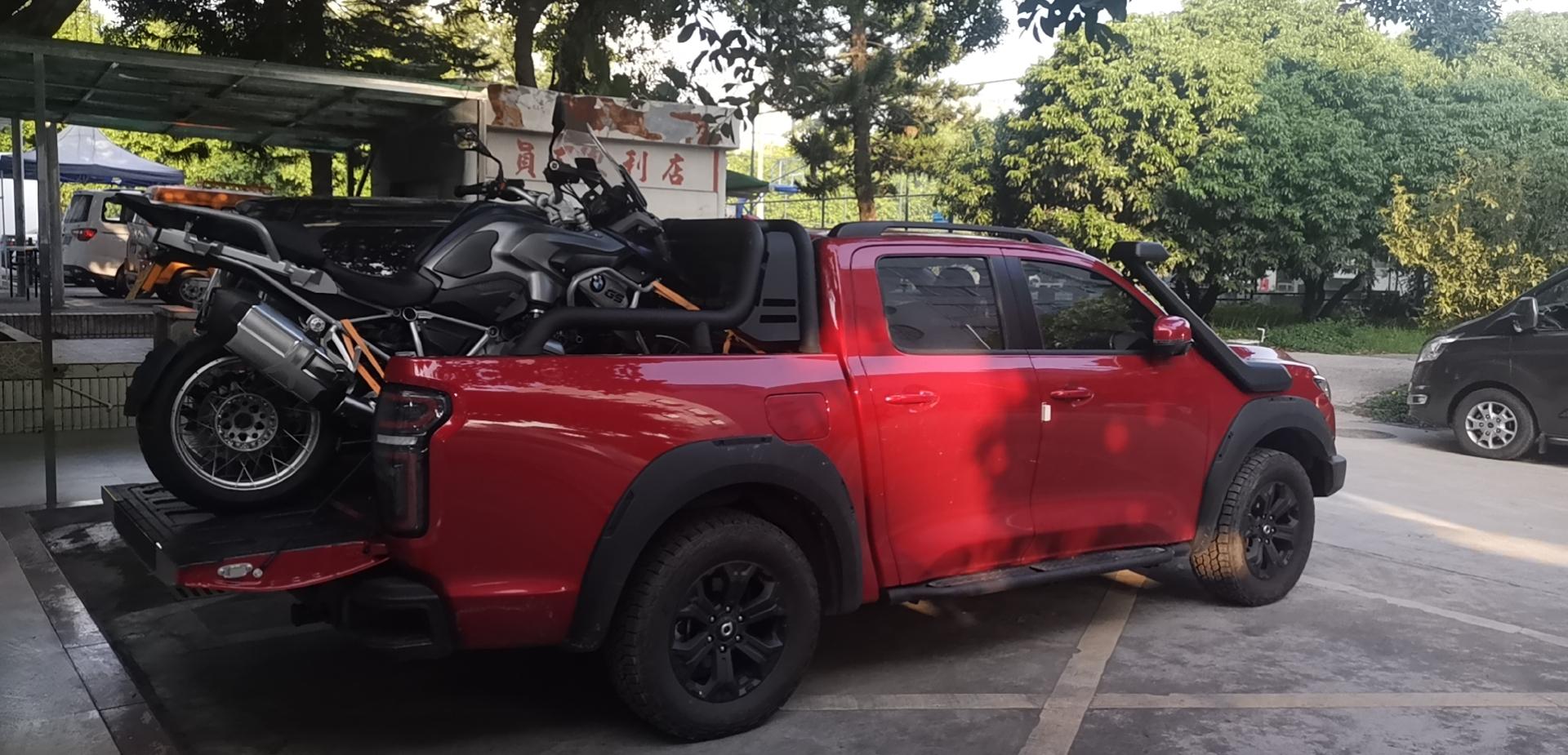
Treat Motorcycle shipping in Seattle: confirm the loading zone and equipment as a custody and handling job: describe the motorcycle accurately, name the releaser, and make the receiving point practical. Have the transporter confirm curb eligibility.
Have the transporter confirm curb eligibility
Seattle distinguishes truck-only loading zones from commercial vehicle load zones and publishes a permit program for commercial vehicle loading. Seattle load-zone categories
Send the carrier the proposed location and posted signs, then ask it to verify eligibility and any needed permit arrangements. Do not assume a nearby commercial bay is available to every vehicle or that a parking payment reserves enough space for loading.
If a curb handoff is uncertain, obtain permission for an off-street alternative. Keep ramps, equipment and the bike clear of travel lanes and pedestrian space; do not improvise a loading operation simply because the driver has arrived.
Explain the complete path from storage
Tell dispatch if the motorcycle is below street level, behind a gate, on a slope or in a space the truck cannot enter. Specify whether it rolls, steers, brakes and starts. Agree who moves it to the equipment and whether a disabled bike needs special handling.
- For rolling transport, ask about support, restraints and loading equipment.
- For crated transport, settle packing dimensions and equipment at both ends.
- For modifications or fitted luggage, send photographs and obtain acceptance.
Compare Seattle offers on the same motorcycle profile
Use the existing Seattle constraints as fields in the transport request, especially the bike’s ability to roll, steer and brake, the person releasing it and any property or venue access issue. Ask the provider how the motorcycle will be loaded and whether any transfer or holding point is part of the trip. If a condition changes after booking, update the transporter before dispatch rather than expecting the driver to improvise at the curb. Use the motorcycle method comparison to test whether protection and loading fit this Seattle bike.
Turn this plan into comparable transport options
Use the actual vehicle, pickup and delivery details, timing and handling needs so every quote starts from the same scope.
At delivery, the receiver should know the expected unloading method and have a way to move the bike if it cannot be ridden. Keep pickup photos, accessory notes and the release record with the shipment. That makes a change in handling, a missing item or a condition difference easier to identify than a handoff based only on verbal instructions.
Seattle motorcycle
Running/rolling condition, accessories, loading need
Transporter accepts the exact bikeRelease contact
Keys, authority and appointment availability
Bike is handed to the right operatorReceiving plan
Unload location and onward movement
Receiver can complete the handoffCompare complete service rather than curbside assumptions
Request offers for the same bike, endpoints and date window. Clarify charges for packing, extra handling, transfers, storage and waiting. An offer that expects a forklift at receipt is not equivalent to a residential delivery with unloading included.
Ask which company carries the motorcycle, whether it remains on one vehicle and how coverage applies across custody changes. Read deposit, balance and cancellation conditions. If timing matters to a ride or workshop visit, establish whether the arrival date is estimated or contractually committed.
Prepare a sender and receiver who can act
For a purchase, clear the seller’s payment and release requirements before collection. Follow the booked operator’s fuel, battery and alarm instructions, and record keys and accepted accessories. Photograph the bike’s existing condition before it is loaded.
Send the pickup record to the recipient and confirm the delivery location is ready for the agreed equipment. Inspect in adequate light, document discrepancies on the receipt and retain the carrier’s reporting instructions. Keep the condition trail intact even when the move involves a transfer.