
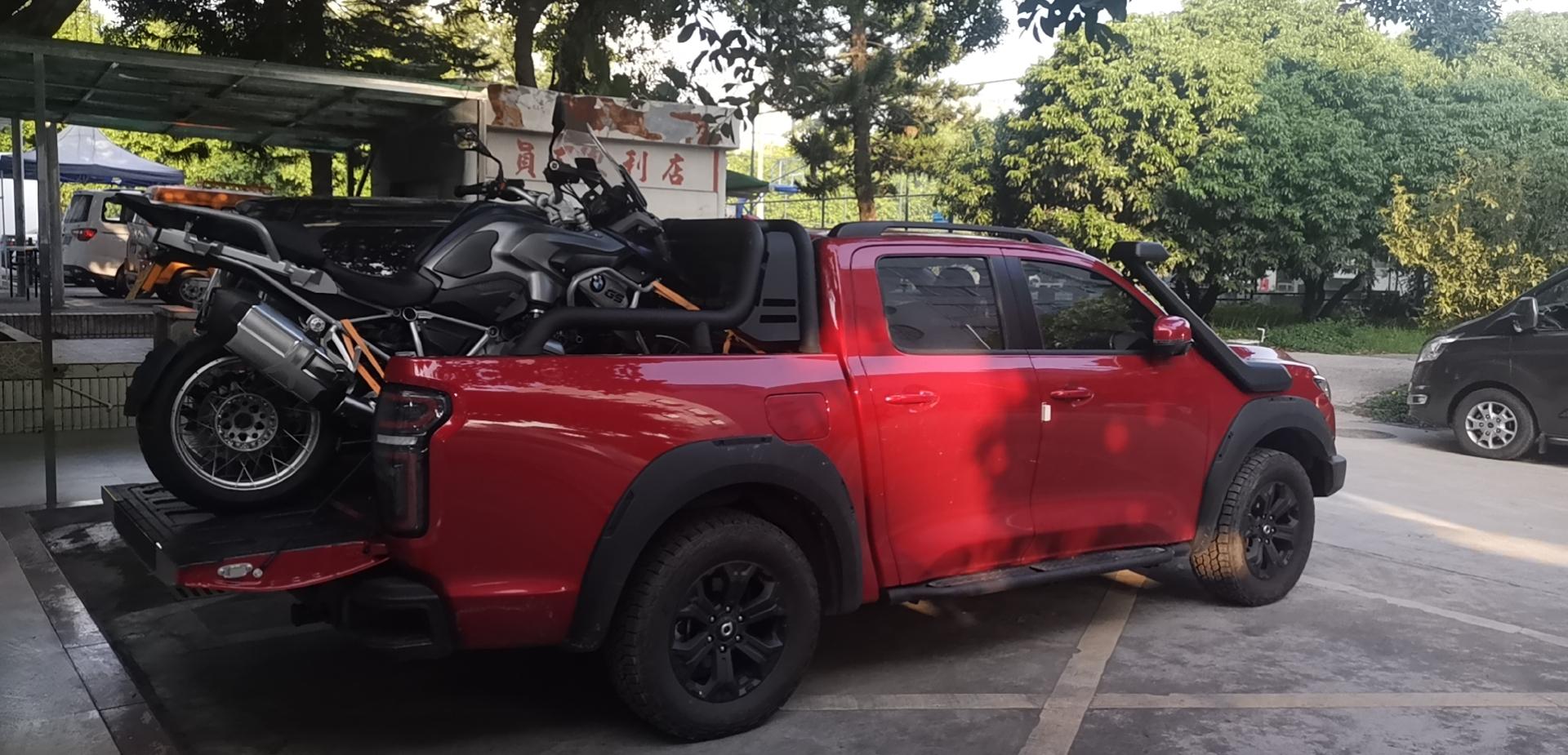
Nebraska motorcycle transport should be priced from the actual loading site, including gates, unpaved access or turning limits that may force a meeting point. Resolve that meeting point and who moves the bike to it before dispatch.
Resolve a rural or restricted approach early
Give directions to the actual loading area, including gates, unpaved access and turning limitations. Ask the driver’s company to confirm it can use the site. If a meeting location is required, arrange permission and the bike’s movement there before the dispatch date.
Nebraska DOT links its 511 road-condition service from its truck-permit resources. Consult current conditions when a disruption affects the pickup plan, then have the transporter assess its truck and route. A motorcycle’s small size does not make the hauling vehicle exempt from access constraints. Nebraska DOT
Decide who prepares and supports the bike
Compare the specific handling offered: rolling loading, pallet or crate, open or enclosed carriage. Ask whether packing and unpacking are included and whether the recipient needs equipment to receive it. A crate is not useful if the destination has no means to unload it.
Report a flat tire, locked wheel, leak or nonrunning condition. List fitted accessories and loose items separately. Follow the selected operator’s fuel, battery and alarm instructions, and obtain acceptance of anything unusual in writing.
Make the Nebraska motorcycle transport pickup workable before the truck is assigned
For Nebraska motorcycle transport, make every quote describe the same motorcycle and the same release arrangement. Include major accessories or nonstandard dimensions, note whether the bike starts and rolls, and state whether the pickup contact is a private owner, dealer, shop or event contact. A price is not fully comparable if one provider assumes ordinary running-bike loading while another has priced extra handling. If the destination is residential, compare the property plan with motorcycle home delivery guidance before assuming the truck can use the driveway.
Turn this plan into comparable transport options
Use the actual vehicle, pickup and delivery details, timing and handling needs so every quote starts from the same scope.
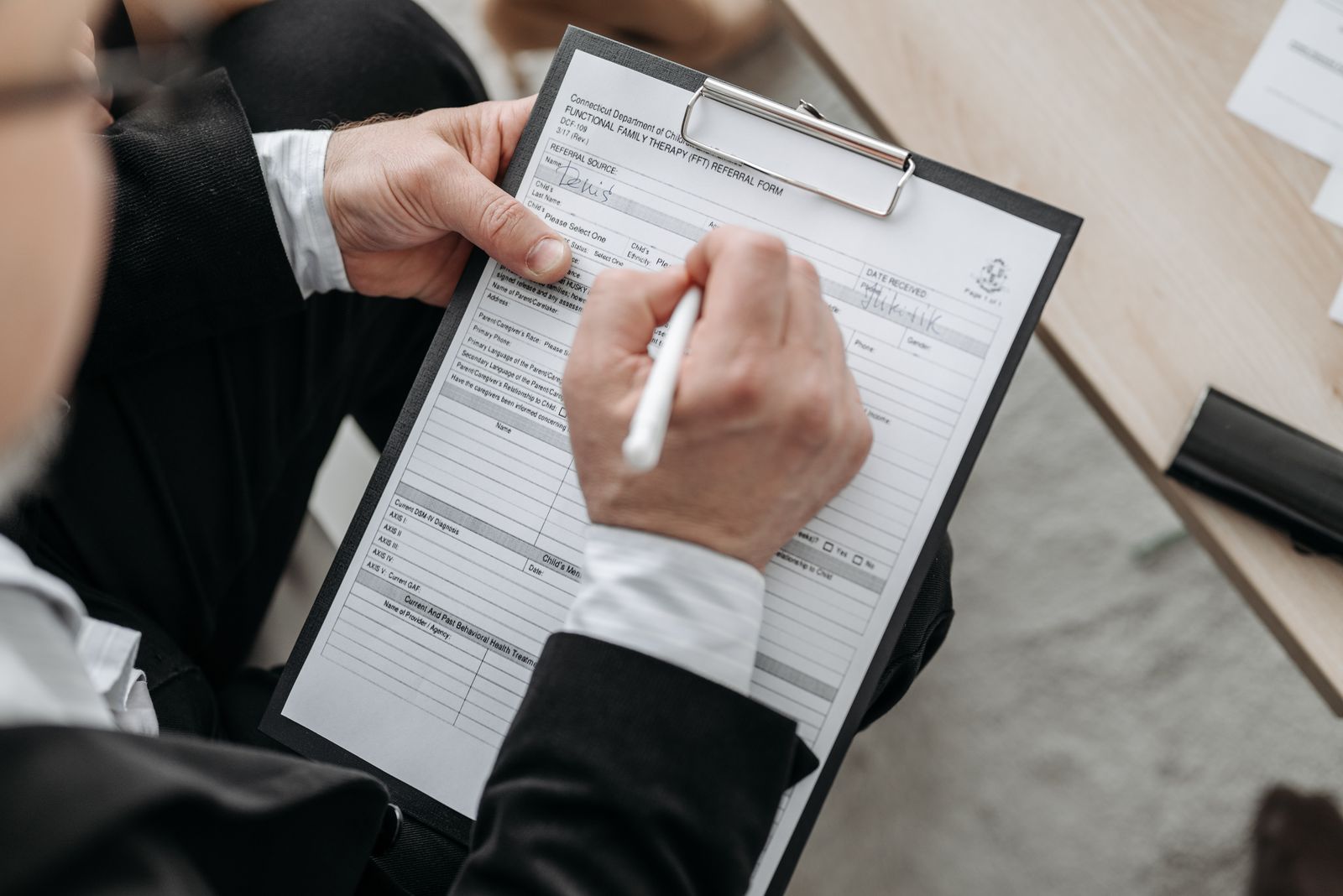
Plan the receiving side with equal care. Confirm who can accept the motorcycle, whether the carrier can use the proposed location and what happens if the arrival window changes. If residential delivery or a shop handoff is requested, identify which part is included in the carrier’s service and which part remains the owner’s responsibility. Use the motorcycle method comparison to test whether protection and loading fit this Nebraska motorcycle transport bike.
Nebraska motorcycle transport motorcycle
Running/rolling condition, accessories, loading need
Transporter accepts the exact bikeRelease contact
Keys, authority and appointment availability
Bike is handed to the right operatorReceiving plan
Unload location and onward movement
Receiver can complete the handoffAlign collection with the seller’s release rules
- Clear payment and pickup authorization.
- Confirm the seller’s working hours and notice requirement.
- Leave keys and operating instructions with an authorized person.
- Ask when storage charges begin if pickup is delayed.
- Confirm cancellation rights if a suitable carrier is not assigned.
Request a price that names both handoffs and the accepted condition of the motorcycle. Ask who takes the deposit, who carries the bike and who can approve additional charges. Keep a date estimate distinct from a contractual appointment.
Let the recipient see what was shipped
Send the receiver clear pickup photographs and an accessory inventory. Arrange light and space to examine the motorcycle, including the underside of fitted luggage and vulnerable projections where visible. Record any discrepancy and retain the signed delivery paperwork.
Obtain the coverage terms and claim procedure before the bike leaves Nebraska. Ask whether a transfer or warehouse stop changes custody or coverage. If nobody can receive within the proposed window, establish storage and its cost rather than leaving that decision to an arriving driver.