
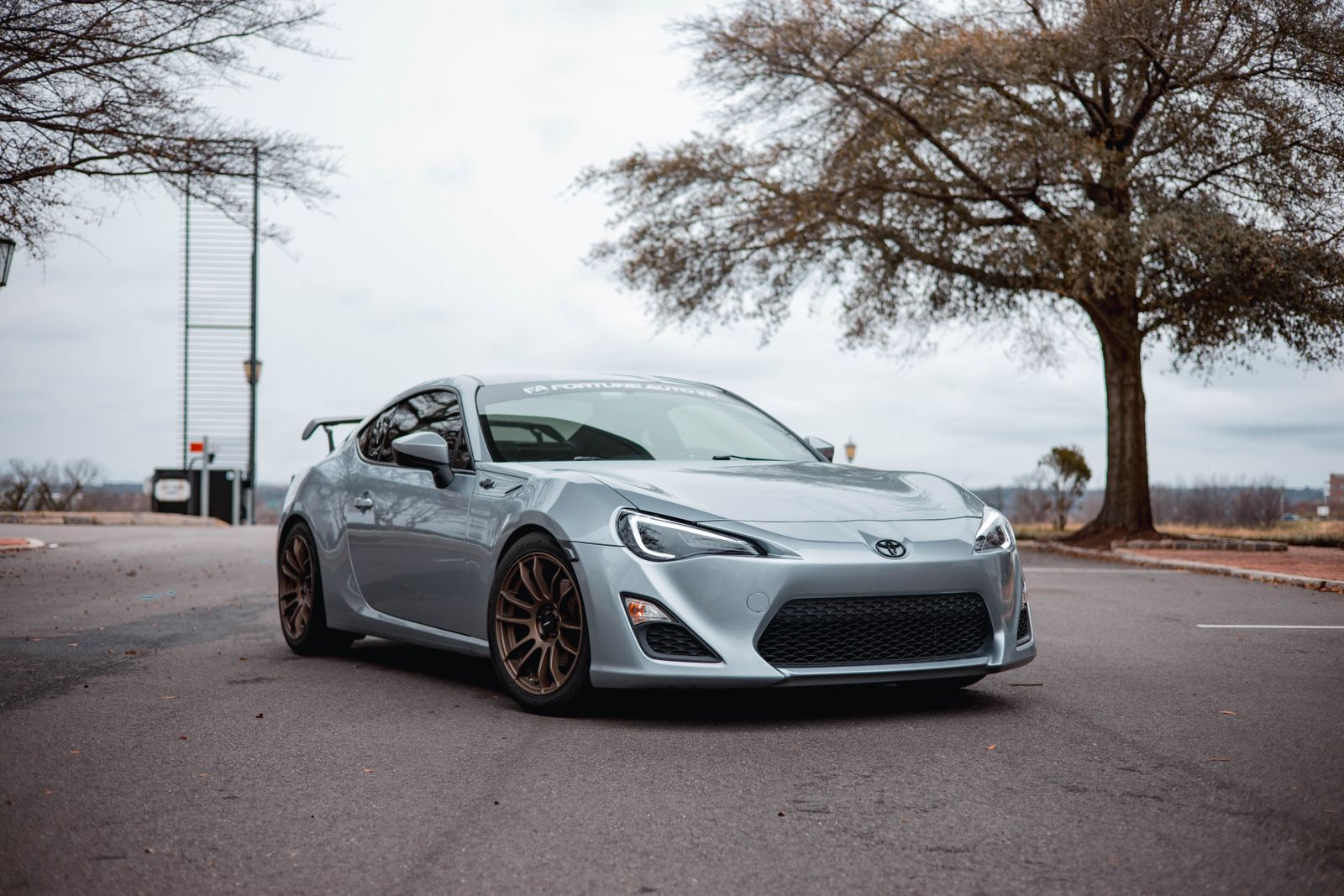
For Exotic Car Transport Chicago, start with the vehicle’s actual clearance and protection needs, then test whether the proposed carrier can use both handoff points. Disclose low-clearance or loading-sensitive vehicle details.
Make the Chicago property access part of protection
For Chicago, describe the vehicle details that affect loading: ground clearance, wheel/tire condition, steering, modifications, loose aerodynamic pieces and whether the car can move under its own power. Ask the carrier how the proposed equipment handles those constraints and whether the vehicle changes carriers or is transferred during the trip. If added protection is material, define exactly what enclosed vehicle transport changes for the Chicago car.
For exotic-car transport in Chicago, protection includes whether the carrier can execute the handoff without improvising at the property. Record ground-clearance or access constraints, agree on any alternate meeting point and state who moves the car there if the transporter cannot use the first site. Compare the whole arrangement with exotic-car transport cost factors, including special loading or a transfer introduced by that access decision.
| Decision | Clarify | Acceptance test |
|---|---|---|
| Chicago vehicle fit | Clearance, running condition and loading sensitivity | Equipment matches the actual car |
| Protection scope | Exposure, transfers and inspection record | Premium terms are concrete |
| Property handoff | Truck access, fallback and responsible contact | Protection continues through delivery |
Turn this plan into comparable transport options
Use the actual vehicle, pickup and delivery details, timing and handling needs so every quote starts from the same scope.
Set exotic-vehicle loading protections before solving Chicago truck access
Disclose low clearance, operability and the requested open or enclosed service so the transporter approach is evaluated for the actual equipment being booked.
Chicago handoff planning should use truck-route information, not a downtown assumption
Illinois DOT provides designated truck-route and current road-condition tools, while Chicago DOT manages the city street network. For an exotic vehicle, the useful local decision is where the booked equipment can make a controlled, legal handoff without treating a generic Chicago address as automatically suitable.
Confirm the pickup property, transporter approach and vehicle ground-clearance needs before dispatch. If a central-city address is awkward for the booked equipment, agree on an accessible handoff point rather than forcing the truck to the requested curb.
Use Chicago truck-route context to validate the transporter approach
The cited network helps test how transport equipment can reach the handoff; it does not determine the vehicle-protection method or prove a specific street is suitable.
Carry the low-clearance plan through delivery
Ask the performing carrier to confirm the ramp approach and unloading space at the receiving property, not only at Chicago pickup. Give the receiver the departure photographs and the agreed notes on clearance-sensitive bodywork, wheels and accessories. If a different handoff or local tow becomes necessary, require the custody change and added handling to be approved before the vehicle is moved.