
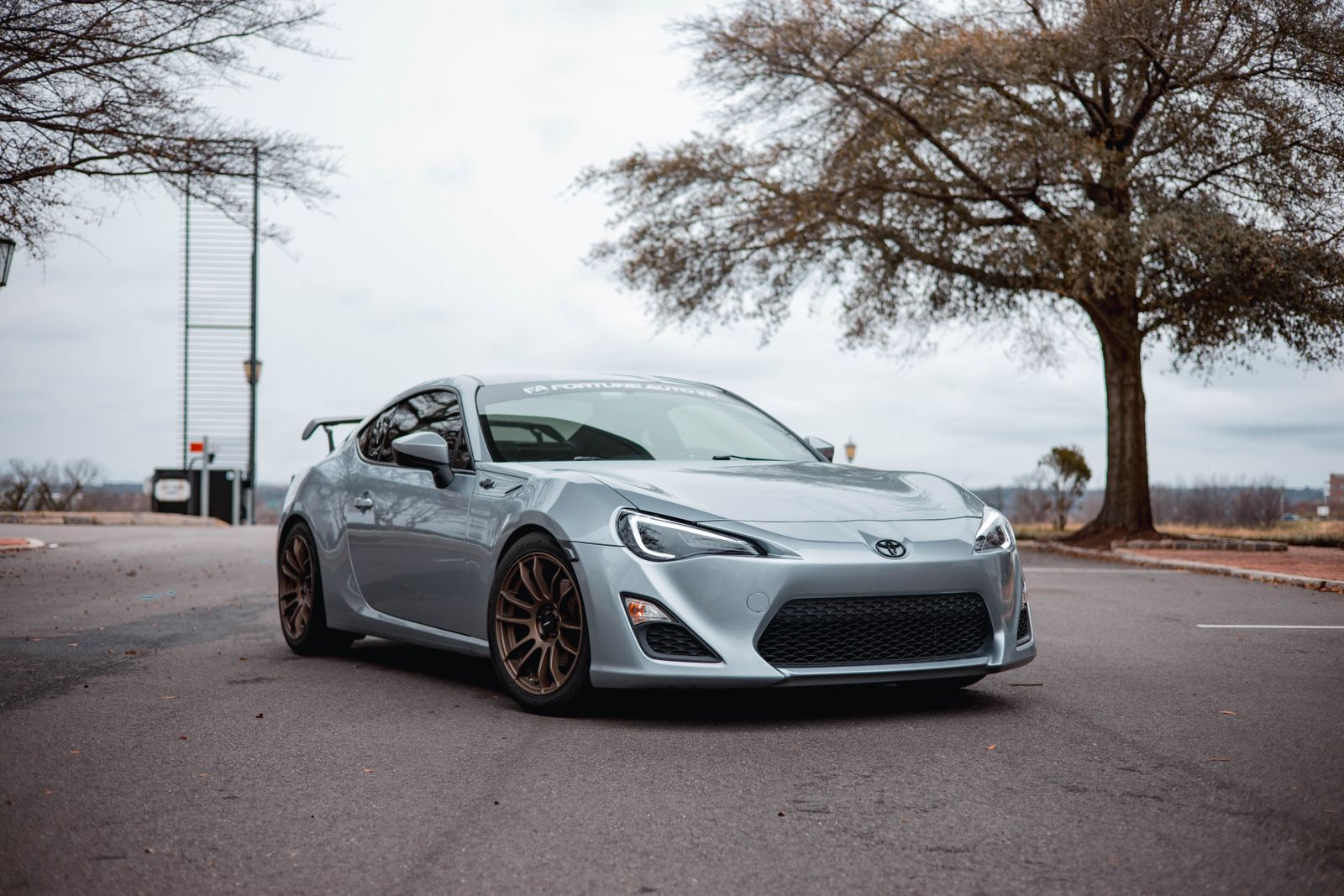
For Luxury Car Transport New York, start with the vehicle’s actual clearance and protection needs, then test whether the proposed carrier can use both handoff points. Name who can release and receive the specialty vehicle.
Make the New York property access part of protection
The New York protection decision should follow the vehicle’s real risks. A low front splitter, wide tire setup or non-running condition can matter more to loading than the badge on the hood. Ask the performing operator—not only the booking contact—to accept the vehicle and property details that affect ramps, deck position and unloading. Keep the same protection assumptions when reviewing luxury-car shipping quote details.
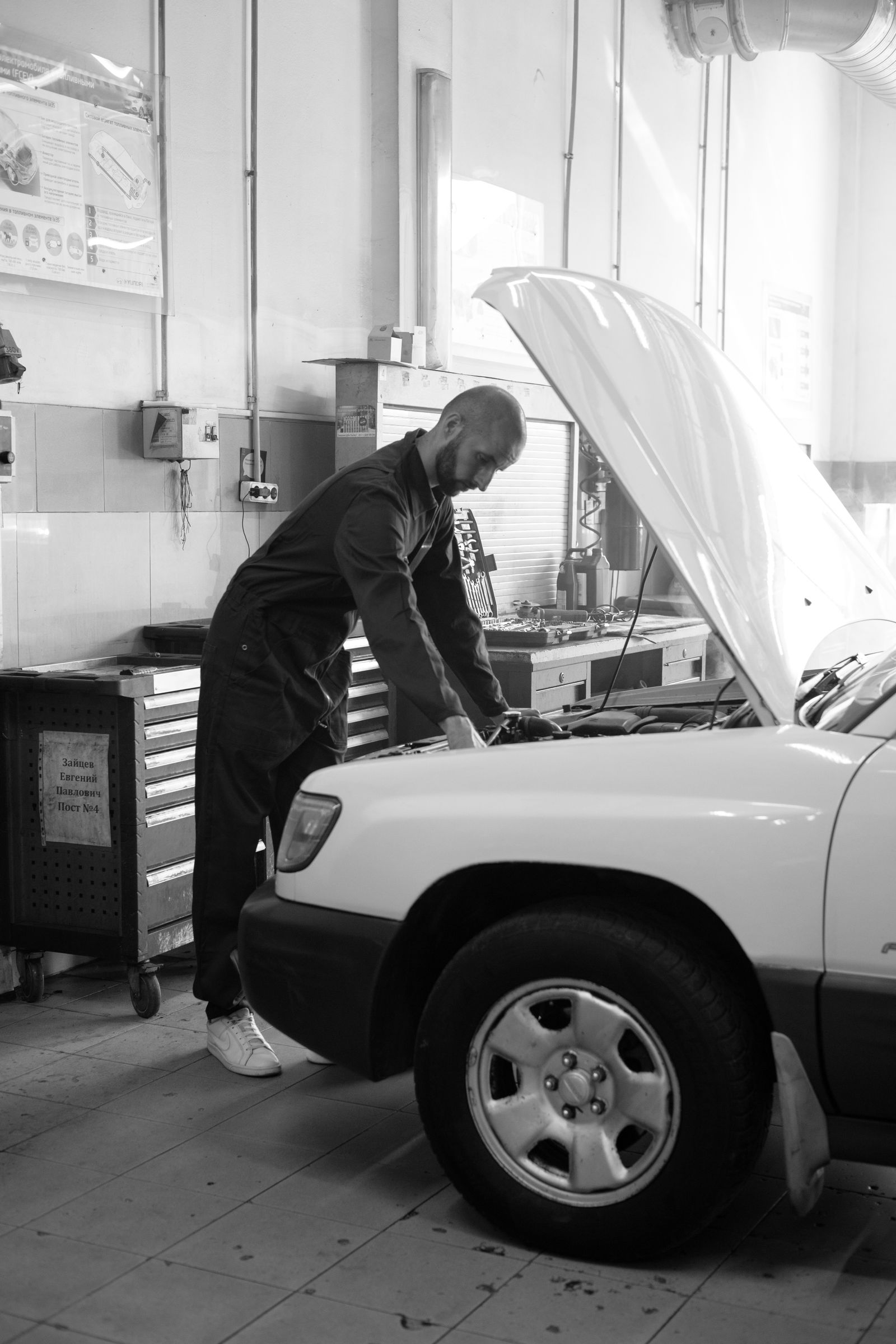
Keep any extra handling visible in the written total. If the plan needs a local tow, storage, special loading assistance or a different meeting point, identify who arranges it and when the cost becomes binding. That prevents a general “premium transport” description from hiding a separate operational step. If added protection is material, define exactly what enclosed vehicle transport changes for the New York car.
| Decision | Clarify | Acceptance test |
|---|---|---|
| New York vehicle fit | Clearance, running condition and loading sensitivity | Equipment matches the actual car |
| Protection scope | Exposure, transfers and inspection record | Premium terms are concrete |
| Property handoff | Truck access, fallback and responsible contact | Protection continues through delivery |
Turn this plan into comparable transport options
Use the actual vehicle, pickup and delivery details, timing and handling needs so every quote starts from the same scope.
Define the luxury-vehicle and transporter combination before New York permit screening
Keep the vehicle condition, requested protection and equipment choice visible so a special-hauling question is tied to the actual combination being moved.
New York separates ordinary auto moves from special-hauling permit work
NYSDOT requires special hauling permits when a vehicle or load exceeds legal dimensions or weights on state highways. That distinction matters for specialty-vehicle planning because the transported car may be standard-size even when a particular equipment combination or special load is not.
Keep the luxury vehicle’s actual dimensions, operability, clearance and requested loading method in the brief. Do not add permit assumptions unless the booked carrier identifies a real dimensional or weight issue.
Treat New York special-hauling rules as equipment-dependent
The cited state requirement applies when a vehicle or load exceeds legal limits; it should not be inferred merely from the value or specialty status of the car.
Define the New York handoff before dispatch changes it
Ask the assigned operator to confirm the exact release property, loading approach and receiving point for the vehicle’s clearance and protection requirements. If truck access forces a different meeting place, decide who drives or tows the car there and whether the change adds exposure, storage or another custody step. Keep those changes in writing and carry the detailed pickup condition record to the destination inspection.