
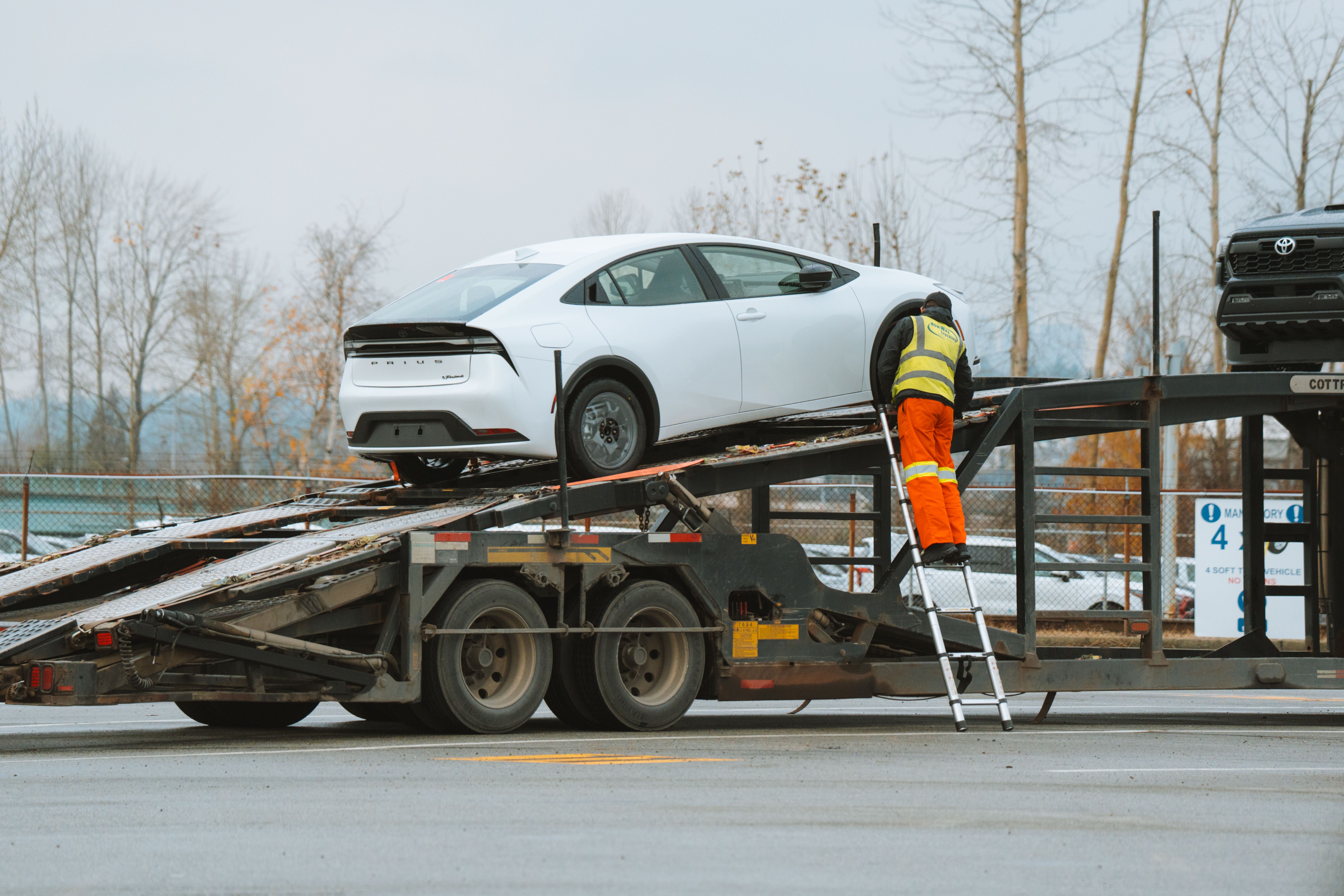
For Auto Transport Boston To California, make the route executable before chasing the lowest number: exact endpoints, vehicle readiness, responsible people and accepted access. Boston origin access is concrete; California still needs a destination city/property.
Boston origin access is concrete; California still needs a destination city/property
Boston heavy-vehicle guidance makes the pickup approach a real carrier-access check. California’s freight plan is statewide context, so the reader still has to supply the California city, receiving property and contact before this route can be dispatched.
Turn the Boston To California route into two executable handoffs
For Boston To California, distinguish route context from property-level acceptance. State freight plans, road maps and traffic information can explain the surrounding network, but the carrier still has to confirm that the actual truck can reach and use each handoff. Keep that distinction in the booking record when a city or statewide endpoint is broad. Normalize the quote against auto-transport price factors only after both handoffs and the vehicle condition are fixed.

Boston-to-California pricing should include any step that exists because the first handoff cannot work as planned. A terminal, local tow, storage stop or alternate endpoint needs both an owner of the task and a charge; a non-running vehicle may also require separate loading help. Compare the complete route only after those exceptions are visible rather than treating them as free conveniences.
Turn this plan into comparable transport options
Use the actual vehicle, pickup and delivery details, timing and handling needs so every quote starts from the same scope.
| Decision | Clarify | Acceptance test |
|---|---|---|
| Pickup handoff | Exact property, releaser and truck access | Origin is executable |
| Line-haul scope | Vehicle condition, equipment and conditional steps | Offers describe the same job |
| Delivery handoff | Receiver, access and fallback authority | Destination is executable |
Keep the California destination concrete before Boston dispatch
A Boston-to-California label still leaves the receiving property unresolved until the destination city, contact and unloading position are supplied. Put that information on the same shipment brief as the Boston release point. If the California property changes, ask the carrier to recheck access and any replacement handoff before the vehicle leaves the origin rather than treating statewide freight context as an address-level routing decision.
Using California freight plan for destination
California freight-plan evidence helps separate statewide network context from the shipment-specific question of where the carrier can safely meet the vehicle.
Turn endpoints into handoffs
Use property-level handoff details instead of only city labels, and require any proposed staging location to appear in the written scope.
Compare one shipment definition
Hold the shipment facts constant, then compare the differences providers actually document instead of mixing unlike handoff or service assumptions.