
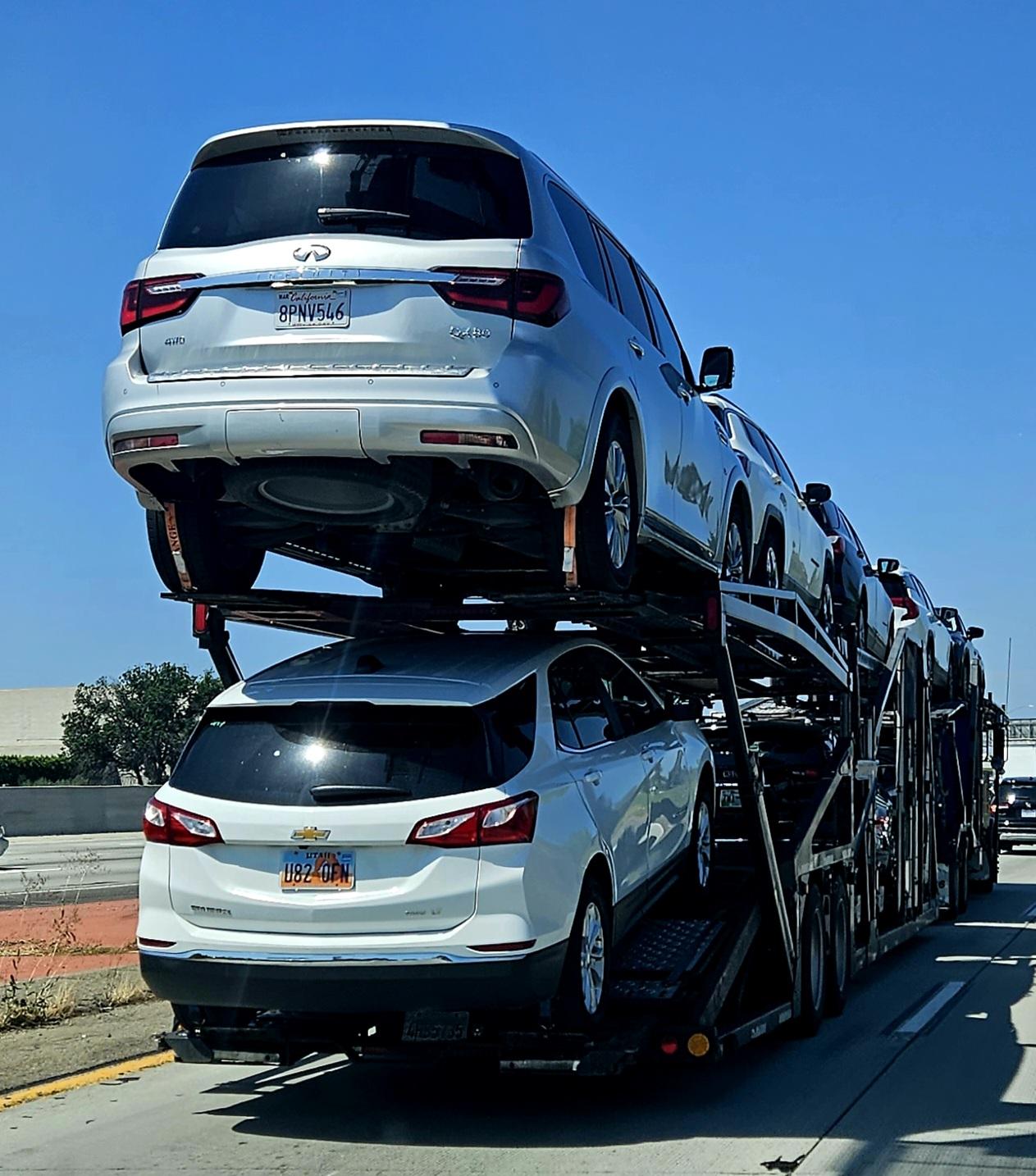
For Auto Transport Boston To Los Angeles, quote the exact pickup and delivery properties, vehicle condition, release contact and receiver rather than the city or state pair alone. Boston heavy-vehicle network: origin evidence.
Boston heavy-vehicle network: origin evidence
Boston publishes a heavy-commercial-vehicle network for truck movement; use it as a routing context and avoid turning it into an unsupported property-access claim.
Compare Boston To Los Angeles offers on one route definition
For Boston To Los Angeles, use the route label only as the frame for the job. Give every provider the exact pickup and delivery properties, vehicle condition, release contact, receiver and date constraints, then ask whether the assigned equipment can use both locations. A state or city pair alone does not establish curb access, parking permission or a final delivery point. Where property access is central, compare the promise with door-to-door pickup and delivery and confirm what happens when the truck cannot use the address.

A Boston-to-Los-Angeles quote needs a contingency for an unusable endpoint, but the contingency should not become a blank permission to change scope. State who may approve a new meeting place, how the vehicle reaches it and which extra charges can follow. If the plan changes, revise the custody contacts together. Use auto-transport price factors on the resulting route definition, not on the original addresses alone.
Turn this plan into comparable transport options
Use the actual vehicle, pickup and delivery details, timing and handling needs so every quote starts from the same scope.
Pickup handoff
Exact property, releaser and truck access
Origin is executableLine-haul scope
Vehicle condition, equipment and conditional steps
Offers describe the same jobDelivery handoff
Receiver, access and fallback authority
Destination is executableConnect the Boston origin record to the Los Angeles receiver
The Boston and Los Angeles network references describe different local contexts, so neither should be used as a substitute for the two actual properties. Keep one condition record with the authorized Boston releaser and the Los Angeles receiver. If the destination property cannot accept the assigned truck, agree a workable handoff and any additional movement before arrival rather than improvising a curbside transfer.
Destination evidence: SCAG FreightWorks goods movement planning
SCAG’s regional goods movement planning addresses the Southern California freight system and its mobility, economic and community impacts; it is regional context, not a property-level access rule.
Make custody explicit at both ends
Resolve the physical handoffs before price comparison: where the vehicle is presented, where it is received, and who is responsible at both locations.
Define who completes the Los Angeles handoff
Name the person who can receive and inspect the car and decide what happens if the transporter cannot use the original property. A substitute meeting point should identify who moves the vehicle there, whether another tow or driver is involved, and how the added cost is approved. Keep the Boston pickup condition record with the receiving instructions so the long route does not end with an informal curb transfer.