
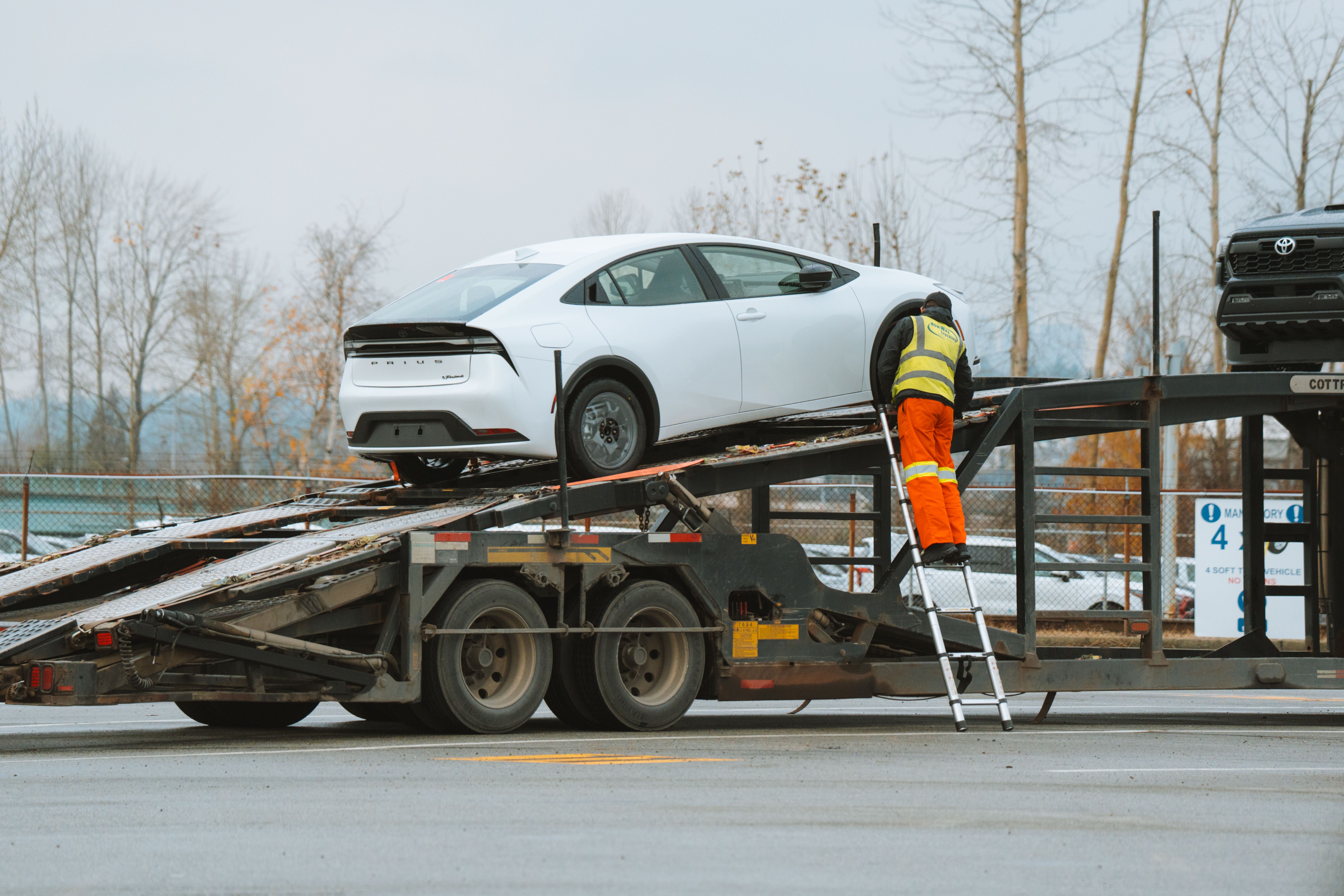
The Lackawanna-Luzerne plan calls for freight-network and critical-corridor improvements. Ask the provider for its actual local approach; do not substitute a presumed interstate or freight corridor for the pickup address.
Scranton publishes which roads are PennDOT-maintained and which remain city-maintained. That distinction is not a truck ban, but it helps frame the practical question: which streets will the provider use to reach the property it is being asked to serve?
What the written offer should separate for Auto Transport From Scranton PA
Line-haul scope
Use regional freight planning as context, not a route prescriptionPickup-side exception
Add the receiver after the origin handoff is clearDestination-side exception
Complete the Scranton origin before comparing a laneVehicle or equipment change
Start with the Scranton street, not a generic metro pickup
Turn this plan into comparable transport options
Use the actual vehicle, pickup and delivery details, timing and handling needs so every quote starts from the same scope.
Use regional freight planning as context, not a route prescription
Add the receiver after the origin handoff is clear
The destination is still missing. Complete it with the actual property and contact while holding the Scranton pickup and vehicle condition constant.
Complete the Scranton origin before comparing a lane
A Scranton origin does not by itself define the shipment the carrier will perform. Add the destination property and receiver only after the exact pickup street and acceptable truck approach are settled; then keep those Scranton assumptions fixed so a second quote does not quietly price a different loading arrangement.
Finish the Scranton-origin shipment before comparing totals
Add the destination city, exact receiving property and authorized receiver to the known Scranton pickup. Keep the same Scranton address and vehicle facts in each request so that a provider cannot change the local collection point and still appear to quote the same job. A nearby freight corridor does not establish that a multi-car transporter can load at the property.
Ask the assigned carrier to confirm the Scranton approach and a fallback location, then repeat that check at the destination once it is supplied. State whether the car starts, rolls, steers and brakes and disclose clearance or dimension changes. Require a pickup window, expected delivery interval, total price, payment stages, waiting/storage charges and cancellation rules. Give the final receiver the Scranton condition photographs and pickup inspection before arrival.