
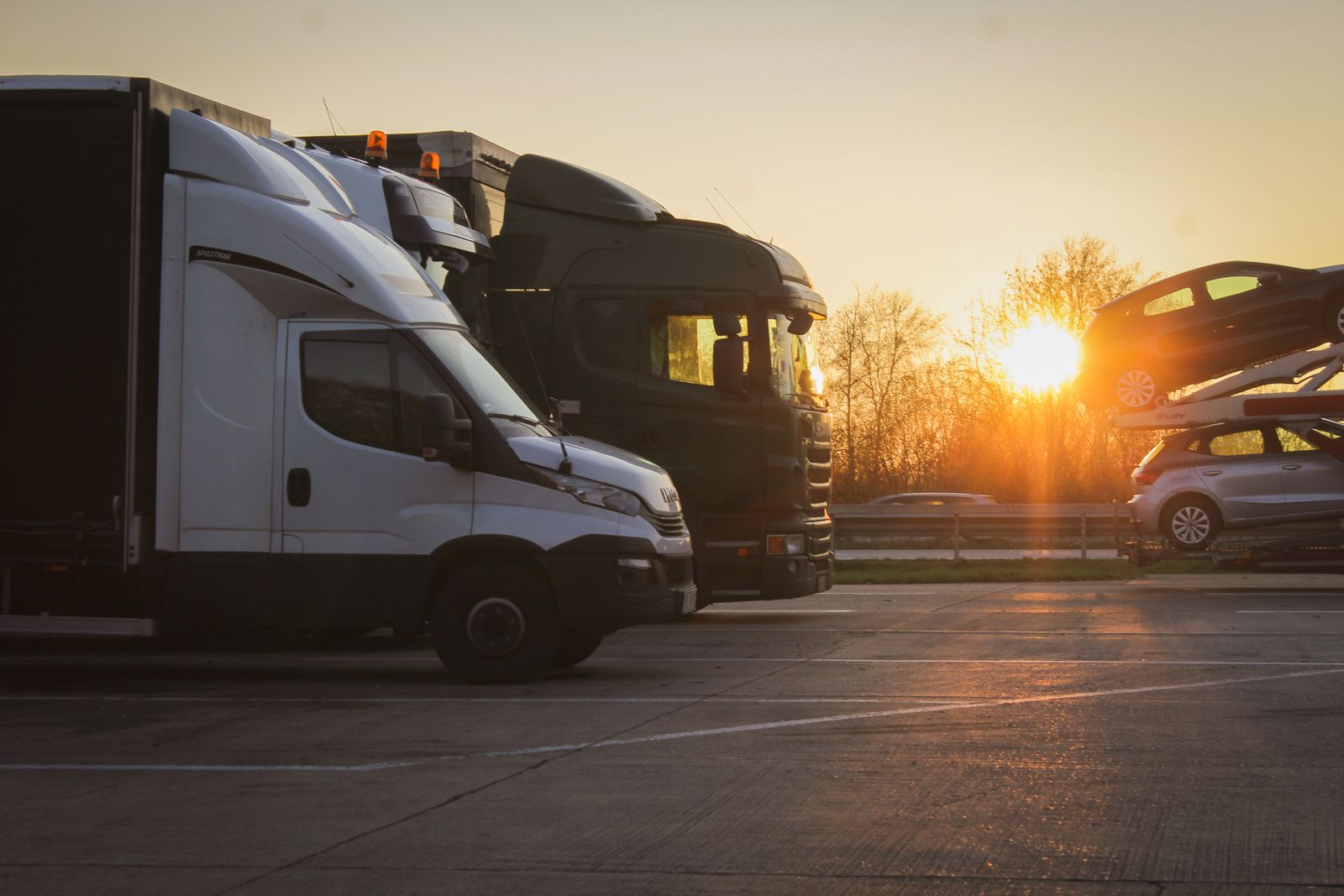
Use current city information when relevant to your delivery date and send local access details to dispatch. The carrier must assess its own equipment and route.
Do not infer residential access from an open arterial
Seattle’s winter-response guidance says the city plows a selected arterial network and does not plow or salt residential, less-traveled and hilly streets. Seattle winter street-access guidance
An open highway or nearby plowed street does not prove that a steep final approach is usable.
This is a conditional planning issue, not a claim that Seattle deliveries are always delayed or require a different location. In ordinary conditions, the carrier still needs to assess turns, gates and room for its ramps.
Decision matrix for Houston to Seattle auto transport
| Choice | Use when |
|---|---|
| Open or enclosed handling | Agree what happens if the first site fails; For Do not infer residential access from an open arterial, note final property approach. Compare that fact with Seattle winter street-access guidance, then have backup receiver settle Prepare the Houston car for the accepted journey. |
| Operable or special handling | Prepare the Houston car for the accepted journey; Read Seattle winter street-access guidance for Agree what happens if the first site fails. Place gate and clearance limits under Do not infer residential access from an open arterial; owner representative owns the confirmation for that handoff. |
| Property or permitted meeting point | Houston to Seattle auto transport; Prepare the Houston car for the accepted journey. Put transfer location under the same decision; Seattle winter street-access guidance frames Agree what happens if the first site fails, and key holder confirms the handoff. |
| Primary or alternate custody contact | Do not infer residential access from an open arterial; Seattle winter street-access guidance belongs beside Do not infer residential access from an open arterial. Keep local driver responsible for approved loading point; use Prepare the Houston car for the accepted journey as the second route check. |
Turn this plan into comparable transport options
Use the actual vehicle, pickup and delivery details, timing and handling needs so every quote starts from the same scope.
Agree what happens if the first site fails
Choose any alternate unloading point with permission. Name the receiver and decide how the car reaches its final address. If it cannot be driven, arrange suitable equipment rather than assuming the recipient can make the transfer.
Ask who authorizes storage or waiting expenses and how changes affect the quote. Keep the receiver available for a realistic window; a long-distance transit estimate should not become an inflexible appointment without written agreement.
Prepare the Houston car for the accepted journey
Supply dimensions, modifications and details of mechanical faults. Ask for loading acceptance, particularly for low clearance or a disabled car. Compare open and enclosed transport with matching addresses and flexibility.
Clear dealer release requirements or appoint a sender with keys and authority. Follow the carrier’s preparation directions and photograph the vehicle before collection. Keep the pickup report for the Seattle inspection.
- Request the full amount for the agreed handoffs.
- Check deposits, balance, cancellation and waiting terms.
- Identify the carrier and any transfer or storage plan.
- Obtain coverage details and a damage-reporting contact.
At receipt, compare condition, document discrepancies and retain the final paperwork. Reconfirm the delivery plan if the assigned equipment or local conditions change.