
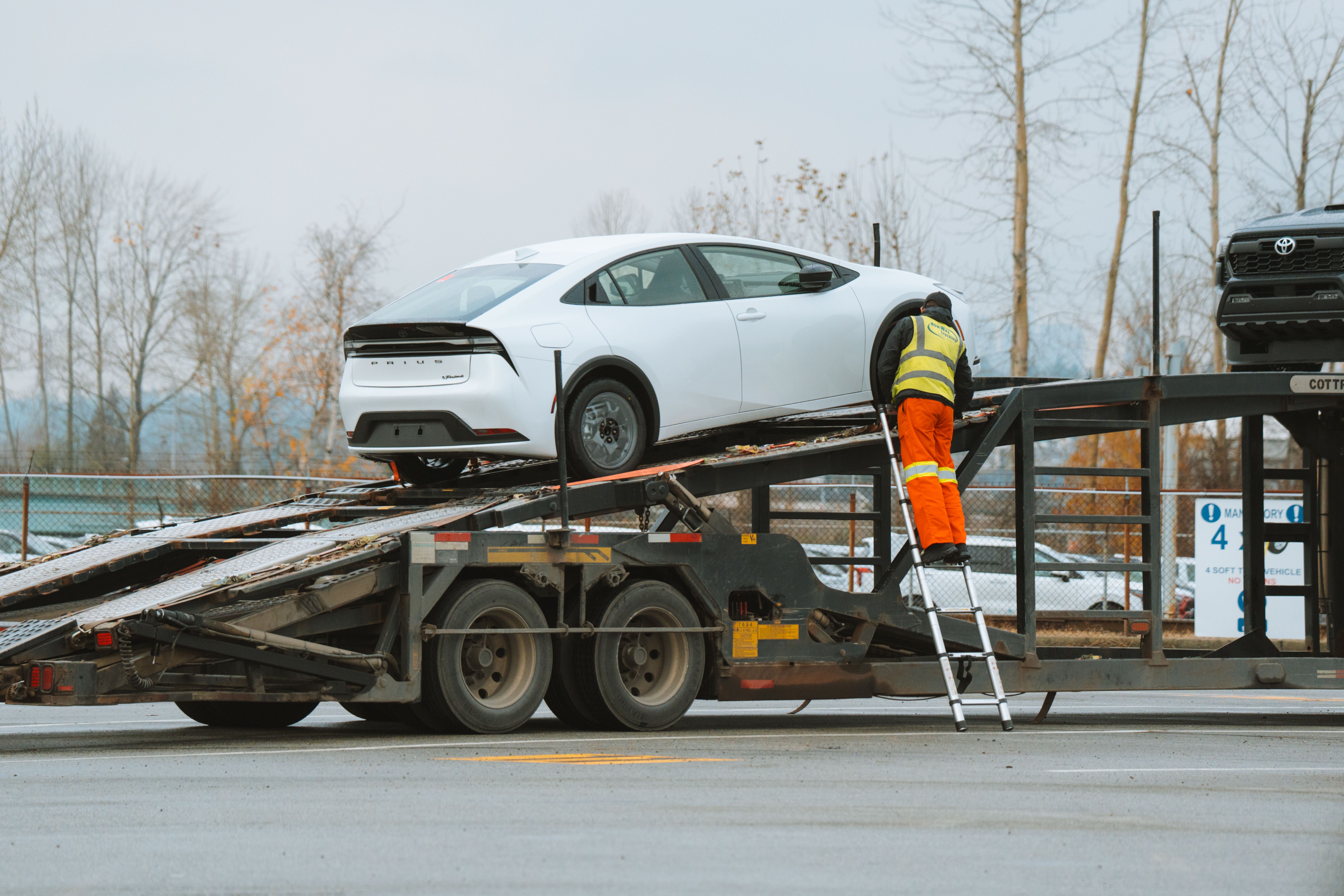
For Massachusetts-to-California transport, confirm both property-level endpoints, who releases and receives the car, and whether the carrier can access each location. Keep California registration or inspection tasks separate from transport, and agree on fallback handoff, vehicle-condition evidence, and total service scope before booking.
Determine the process for this vehicle
California DMV says smog inspections apply to vehicle registration with specified exceptions; the applicable requirements depend on the vehicle and transaction. California DMV smog-inspection guidance
Check current DMV guidance for relocation, purchase or another relevant situation before scheduling an inspection. Do not assume an out-of-state test or a clean transport condition report completes the California requirement.
Keep title, registration, lien or lease records available outside the car. If buying a vehicle for California use, verify eligibility before committing to shipment. Ask the seller for the information needed to resolve that question directly with DMV.
Name the final California city and entrance. Have the carrier accept unloading access and the recipient’s available hours before setting a vehicle-dependent appointment.
Custody chain for Massachusetts to California auto transport
Origin release
Massachusetts: Determine the process for this vehicleCarrier custody
Prepare the sender for a flexible releaseDestination receipt
California: Compare the complete cross-country commitmentException owner
Massachusetts to California auto transport
Turn this plan into comparable transport options
Use the actual vehicle, pickup and delivery details, timing and handling needs so every quote starts from the same scope.
Prepare the sender for a flexible release
If the owner travels west first, appoint a sender who can remain available for a revised window.
Describe the approach, turning room, gates and ramp area. For an alternate pickup point, get consent and assign the local transfer. Disclose dimensions, modifications and faults affecting starting, rolling, steering or braking.
Ask the carrier to accept the loading method before comparing open and enclosed service. Follow the booked preparation instructions and take condition photographs at release.
Compare the complete cross-country commitment
Request the total through the approved destination, payment stages and cancellation or waiting conditions. Identify the carrying company, transfers or storage, coverage and claims contact.
Have the provider separate an estimated arrival from a firm appointment. Send the pickup report to the California receiver for inspection at delivery. Record discrepancies and preserve the receipt.
If the site, truck or schedule changes, confirm the revised arrangement in writing and keep it with the original order and separate DMV records.
Specify both Massachusetts and California properties before comparing price
Replace the state labels with the exact Massachusetts pickup address, California delivery address and responsible contact at each. Ask the assigned carrier to accept both approaches for its equipment and name a fallback if a narrow street, managed property or restricted loading area prevents direct service. A changed meeting point should be visible as a changed scope.
State whether the vehicle starts, rolls, steers and brakes and disclose low clearance or size changes. Keep any California registration, inspection or emissions obligation separate from transport delivery. Ask for the collection and arrival windows, total charge, payment stages, waiting/storage and cancellation terms. Give the California receiver the Massachusetts departure photographs and pickup record before arrival so the condition inspection remains tied to the carrier handoff.